THE ADVENTURE COLLECTIVE® · Independent discovery and booking for outdoor travel

Spend a full day inside Nairobi’s cultural heart: museum galleries that chart Kenya’s past, a rooftop view from KICC, a social-enterprise bead workshop, and an energetic tribal dance show at Bomas. Practical for first-time visitors and culturally rich for return travelers.
Spend a full day inside Nairobi’s cultural heart: museum galleries that chart Kenya’s past, a rooftop view from KICC, a social-enterprise bead workshop, and an energetic tribal dance show at Bomas. Practical for first-time visitors and culturally rich for return travelers.
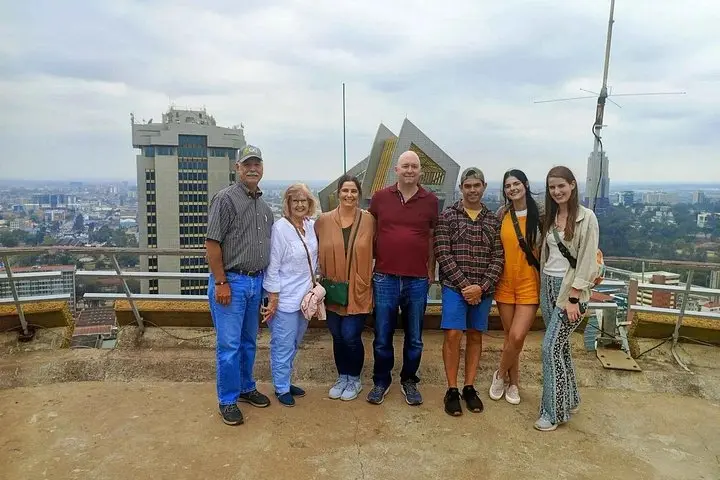
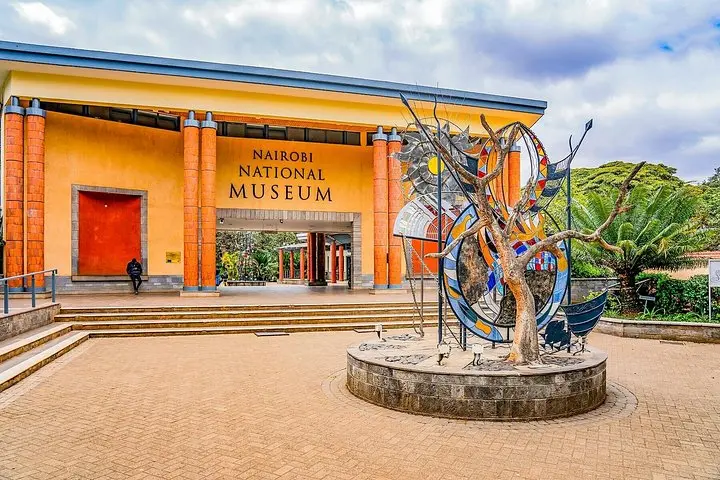
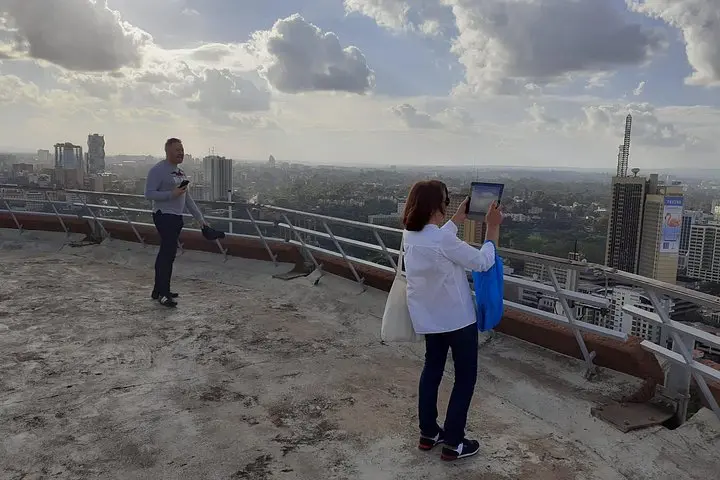
You step out into Nairobi sunlight and the city answers with a slow, human rhythm—street vendors calling, traffic easing, and a wind off the park that dares you to look up. The day begins at the National Museum, where galleries move from the cradle of humankind to contemporary Kenyan art, then lifts you higher to the KICC rooftop for a bird’s-eye view of an East African capital scaped between hills and savanna fringe.
Verified experiences and guided adventures in the surrounding area.
Operated by Gracepatt Safaris · Nairobi, Nairobi County
You step out into Nairobi sunlight and the city answers with a slow, human rhythm—street vendors calling, traffic easing, and a wind off the park that dares you to look up. The day begins at the National Museum, where galleries move from the cradle of humankind to contemporary Kenyan art, then lifts you higher to the KICC rooftop for a bird’s-eye view of an East African capital scaped between hills and savanna fringe.
Nairobi’s story is tied to rail and rapid 20th-century growth; the museum traces colonial history, natural history and the region’s art in four focused exhibits that make complex histories readable. Nearby, the Kobe Beads factory introduces social enterprise—pottery and beadwork produced by single mothers, a working studio where craft and livelihood intersect.
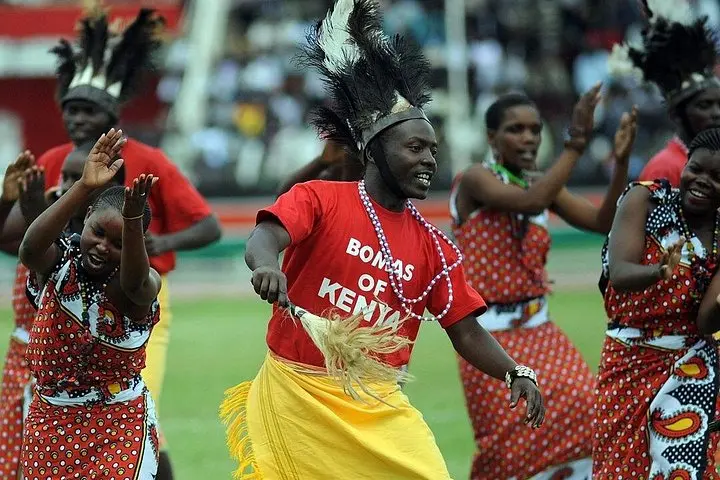
The final act is Bomas of Kenya: an auditorium full of rhythm where tribal dances, music and costume are performed with theatrical polish (daily shows around 2:30–4:00 p.m.). Over the course of an eight-hour loop, you’ll move through material culture, urban panoramas and living performance—each offering a different way to read Kenya’s layered identity.
Practicalities matter: expect city traffic between stops, bring comfortable walking shoes for galleries and rooftop decks, and carry water and sun protection. Lunch is typically at a local restaurant (own expense). Book morning pickup to make the most of the museum and secure seats for the afternoon show; the day is relaxed but timed, so keep a flexible watch on the clock.
Admissions to the museum, KICC rooftop, Kobe Beads demonstration and Bomas performance are included on this itinerary as listed; confirm at booking.
Lunch is not included—there is a scheduled lunch stop at a local restaurant and guests pay their own meals.
Yes; the tour is described as suitable for all fitness levels. Infants must sit on an adult’s lap during transport.
The main tribal dance and cultural program typically runs about 90–120 minutes and is scheduled in the mid-afternoon.
Gracepatt Safaris operates guided outdoor trips and adventures with an emphasis on safety, stewardship, and memorable experiences.
You step out into Nairobi sunlight and the city answers with a slow, human rhythm—street vendors calling, traffic easing, and a wind off the park that dares you to look up. The day begins at the National Museum, where galleries move from the cradle of humankind to contemporary Kenyan art, then lifts you higher to the KICC rooftop for a bird’s-eye view of an East African capital scaped between hills and savanna fringe.
You step out into Nairobi sunlight and the city answers with a slow, human rhythm—street vendors calling, traffic easing, and a wind off the park that dares you to look up. The day begins at the National Museum, where galleries move from the cradle of humankind to contemporary Kenyan art, then lifts you higher to the KICC rooftop for a bird’s-eye view of an East African capital scaped between hills and savanna fringe.
Nairobi’s story is tied to rail and rapid 20th-century growth; the museum traces colonial history, natural history and the region’s art in four focused exhibits that make complex histories readable. Nearby, the Kobe Beads factory introduces social enterprise—pottery and beadwork produced by single mothers, a working studio where craft and livelihood intersect.
The final act is Bomas of Kenya: an auditorium full of rhythm where tribal dances, music and costume are performed with theatrical polish (daily shows around 2:30–4:00 p.m.). Over the course of an eight-hour loop, you’ll move through material culture, urban panoramas and living performance—each offering a different way to read Kenya’s layered identity.
Practicalities matter: expect city traffic between stops, bring comfortable walking shoes for galleries and rooftop decks, and carry water and sun protection. Lunch is typically at a local restaurant (own expense). Book morning pickup to make the most of the museum and secure seats for the afternoon show; the day is relaxed but timed, so keep a flexible watch on the clock.