THE ADVENTURE COLLECTIVE® · Independent discovery and booking for outdoor travel

Spend a full day exploring Brú na Bóinne’s ancient passage tombs, Knowth’s megalithic art, and the medieval grounds of Trim Castle on a private tour from Dublin. Pre-booking and sturdy footwear are essentials for this accessible, history-rich outing.
Spend a full day exploring Brú na Bóinne’s ancient passage tombs, Knowth’s megalithic art, and the medieval grounds of Trim Castle on a private tour from Dublin. Pre-booking and sturdy footwear are essentials for this accessible, history-rich outing.
A low, grass-covered mound sits against the grey Irish sky as your driver eases the van onto a narrow lane. The Boyne River curves below; peat-scented air and the distant call of skylark make the stones feel older than the land itself. This private full-day tour moves at a measured pace, giving you time at Newgrange’s passage tomb, the Knowth complex, and the riverside ruins of Trim Castle.
Verified experiences and guided adventures in the surrounding area.
Operated by Za Execs · Donore, County Meath
A low, grass-covered mound sits against the grey Irish sky as your driver eases the van onto a narrow lane. The Boyne River curves below; peat-scented air and the distant call of skylark make the stones feel older than the land itself. This private full-day tour moves at a measured pace, giving you time at Newgrange’s passage tomb, the Knowth complex, and the riverside ruins of Trim Castle.
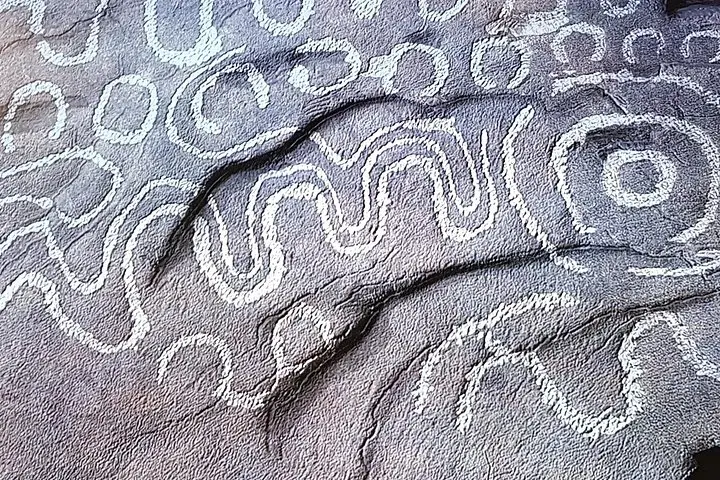
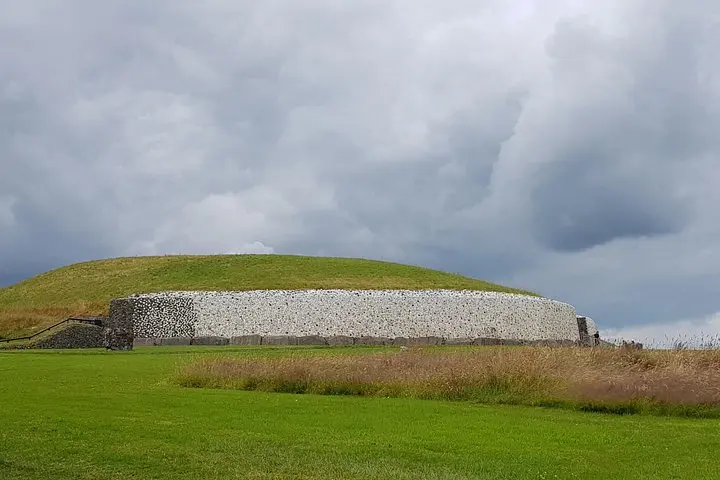
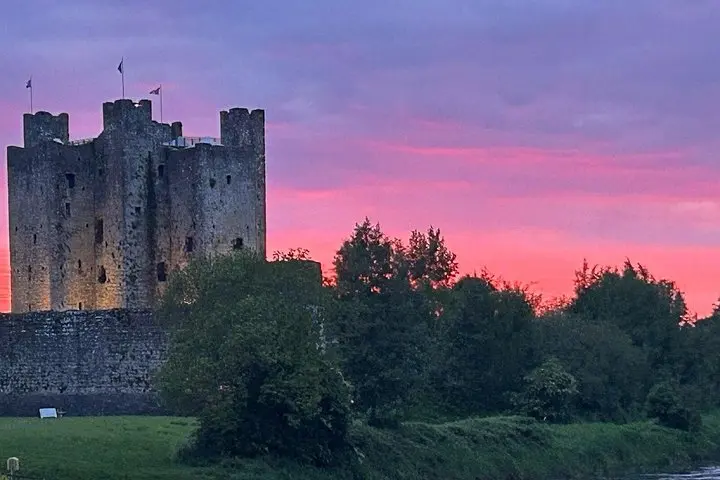
The Brú na Bóinne complex dates to around 3200 BC and contains some of Europe’s oldest passage tombs. Newgrange is famous for its winter solstice alignment: a narrow light-box channels sunrise into the inner chamber on the shortest day of the year. Knowth holds a large concentration of megalithic art and dozens of satellite tombs, while Trim Castle (late 12th century) illustrates the Norman imprint on medieval Ireland.
Geologically, the Boyne valley’s glacial tills and limestone bedrock shaped the mound-building culture that used large river-smoothed stones for art and architecture. Local culture still measures time against these monuments—community archaeology and the Visitor Centre exhibitions explain both technique and ritual.
Practical notes: tours depart and return to Dublin, require advance booking (often 30 days ahead for peak season), and include a lunch stop and air-conditioned transport. Wear waterproof, grippy footwear and a layered jacket — fields can be muddy and winds sharp. Expect guided walks of varying length, some low-level steps inside chambers, and accessible options for strollers and most fitness levels. Bring a camera, but note flash is restricted inside tombs. Allow 7–8 hours for the full experience.
Yes — pre-booking is essential, especially for Newgrange chamber access and private tours; aim for at least 30 days in advance during peak season.
The site is open year-round but access to the chamber can be limited; winter solstice events are separate, highly restricted bookings.
Yes — the tour notes stroller accessibility and infant seats are available, though internal chamber spaces have steps and tight passages.
The full-day private tour lasts about 7–8 hours and starts/ends in Dublin with an included lunch stop and private transport.
Za Execs operates guided outdoor trips and adventures with an emphasis on safety, stewardship, and memorable experiences.
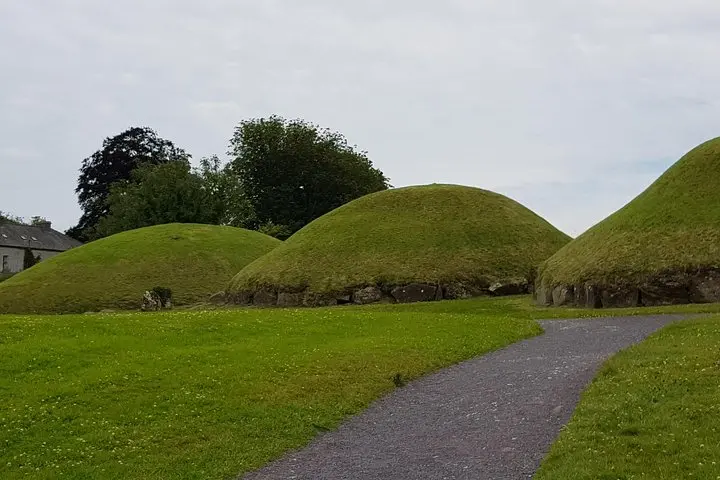
A low, grass-covered mound sits against the grey Irish sky as your driver eases the van onto a narrow lane. The Boyne River curves below; peat-scented air and the distant call of skylark make the stones feel older than the land itself. This private full-day tour moves at a measured pace, giving you time at Newgrange’s passage tomb, the Knowth complex, and the riverside ruins of Trim Castle.
A low, grass-covered mound sits against the grey Irish sky as your driver eases the van onto a narrow lane. The Boyne River curves below; peat-scented air and the distant call of skylark make the stones feel older than the land itself. This private full-day tour moves at a measured pace, giving you time at Newgrange’s passage tomb, the Knowth complex, and the riverside ruins of Trim Castle.
The Brú na Bóinne complex dates to around 3200 BC and contains some of Europe’s oldest passage tombs. Newgrange is famous for its winter solstice alignment: a narrow light-box channels sunrise into the inner chamber on the shortest day of the year. Knowth holds a large concentration of megalithic art and dozens of satellite tombs, while Trim Castle (late 12th century) illustrates the Norman imprint on medieval Ireland.
Geologically, the Boyne valley’s glacial tills and limestone bedrock shaped the mound-building culture that used large river-smoothed stones for art and architecture. Local culture still measures time against these monuments—community archaeology and the Visitor Centre exhibitions explain both technique and ritual.
Practical notes: tours depart and return to Dublin, require advance booking (often 30 days ahead for peak season), and include a lunch stop and air-conditioned transport. Wear waterproof, grippy footwear and a layered jacket — fields can be muddy and winds sharp. Expect guided walks of varying length, some low-level steps inside chambers, and accessible options for strollers and most fitness levels. Bring a camera, but note flash is restricted inside tombs. Allow 7–8 hours for the full experience.