THE ADVENTURE COLLECTIVE® · Independent discovery and booking for outdoor travel

Descend into one of the world’s largest intact calderas for a full day of game viewing. This Ngorongoro crater safari from Arusha puts you on the crater floor where chances to see the Big Five are highest—paired with practical tips for a long, wildlife-rich day.
Descend into one of the world’s largest intact calderas for a full day of game viewing. This Ngorongoro crater safari from Arusha puts you on the crater floor where chances to see the Big Five are highest—paired with practical tips for a long, wildlife-rich day.
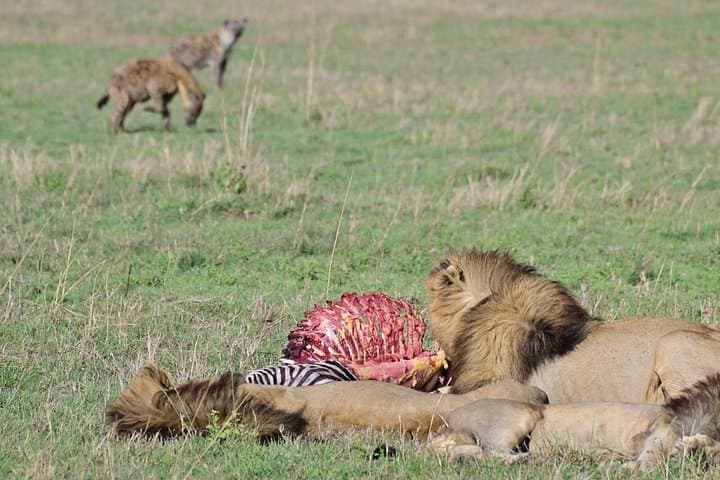
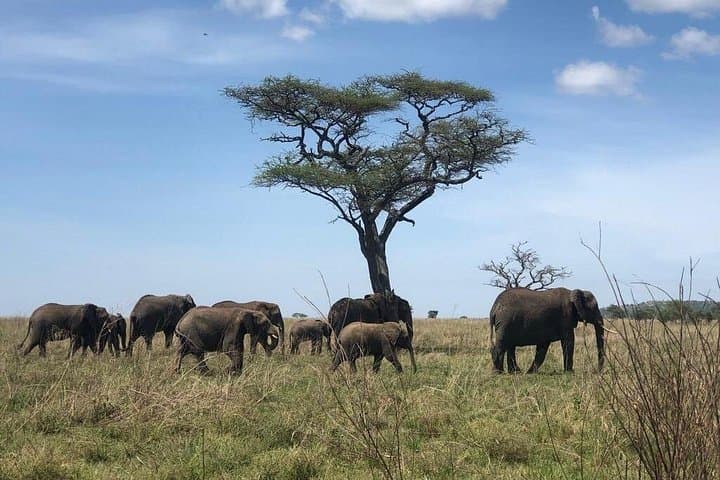
You step out before dawn on an asphalt shoulder outside Arusha as headlights pick out a silhouette of the crater’s rim on the horizon. By the time the vehicle eases to the Ngorongoro edge, the air is cool and the plain below catches first light—grasslands, seasonal wetlands and black dots that resolve into grazing zebra and wildebeest. The descent feels like entering a living amphitheater: the crater walls keep the wind low and the wildlife close.
Verified experiences and guided adventures in the surrounding area.
Operated by pazuri porini safaris · Karatu, Arusha Region
You step out before dawn on an asphalt shoulder outside Arusha as headlights pick out a silhouette of the crater’s rim on the horizon. By the time the vehicle eases to the Ngorongoro edge, the air is cool and the plain below catches first light—grasslands, seasonal wetlands and black dots that resolve into grazing zebra and wildebeest. The descent feels like entering a living amphitheater: the crater walls keep the wind low and the wildlife close.
Geologically the caldera is a collapsed volcano created roughly 2–3 million years ago; its fertile floor supports an unusually dense concentration of species. Culturally the surrounding highlands are Maasai country—pastoralists still move cattle along crater edges and small bomas punctuate the landscape. Expect a game-driven day: early pickup from Arusha, descent to the crater floor for repeated wildlife stops, picnic lunch, and a late-afternoon climb back up.
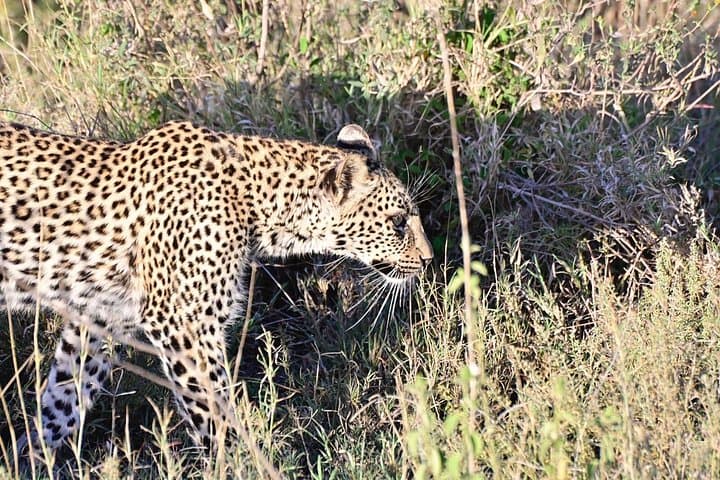
Practically, this is a vehicle-based safari with short, guided walks limited to designated areas. Big Five sightings are possible—black rhino and lion are priorities—though sightings aren’t guaranteed. Bring binoculars, layered clothing, sun protection, and motion-sickness remedies for the winding roads. Timing matters: early-morning drives are most active for predators and birds; midafternoon sees animals seek shade.
Follow your guide’s instructions around wildlife, keep windows partially closed when instructed, and carry water and a charged phone or camera. The experience balances slow, contemplative observation with sudden bursts of action when a herd shifts or a predator moves—nature that both watches and moves you.
Expect roughly 3–4 hours each way depending on traffic and road conditions, with the trip usually starting before dawn and returning late afternoon.
No—while Ngorongoro has high concentrations of wildlife and good chances for the Big Five, sightings depend on animal movements and cannot be guaranteed.
Guides allow short, controlled walks only in designated areas; off-vehicle movement is restricted for safety and conservation.
The tour is generally family-friendly but is not recommended for travelers with spinal, heart issues, or for pregnant travelers due to long drives and uneven terrain.
pazuri porini safaris operates guided outdoor trips and adventures with an emphasis on safety, stewardship, and memorable experiences.

You step out before dawn on an asphalt shoulder outside Arusha as headlights pick out a silhouette of the crater’s rim on the horizon. By the time the vehicle eases to the Ngorongoro edge, the air is cool and the plain below catches first light—grasslands, seasonal wetlands and black dots that resolve into grazing zebra and wildebeest. The descent feels like entering a living amphitheater: the crater walls keep the wind low and the wildlife close.
You step out before dawn on an asphalt shoulder outside Arusha as headlights pick out a silhouette of the crater’s rim on the horizon. By the time the vehicle eases to the Ngorongoro edge, the air is cool and the plain below catches first light—grasslands, seasonal wetlands and black dots that resolve into grazing zebra and wildebeest. The descent feels like entering a living amphitheater: the crater walls keep the wind low and the wildlife close.
Geologically the caldera is a collapsed volcano created roughly 2–3 million years ago; its fertile floor supports an unusually dense concentration of species. Culturally the surrounding highlands are Maasai country—pastoralists still move cattle along crater edges and small bomas punctuate the landscape. Expect a game-driven day: early pickup from Arusha, descent to the crater floor for repeated wildlife stops, picnic lunch, and a late-afternoon climb back up.
Practically, this is a vehicle-based safari with short, guided walks limited to designated areas. Big Five sightings are possible—black rhino and lion are priorities—though sightings aren’t guaranteed. Bring binoculars, layered clothing, sun protection, and motion-sickness remedies for the winding roads. Timing matters: early-morning drives are most active for predators and birds; midafternoon sees animals seek shade.
Follow your guide’s instructions around wildlife, keep windows partially closed when instructed, and carry water and a charged phone or camera. The experience balances slow, contemplative observation with sudden bursts of action when a herd shifts or a predator moves—nature that both watches and moves you.