THE ADVENTURE COLLECTIVE® · Independent discovery and booking for outdoor travel

A full-day safari into Ngorongoro Crater offers one of East Africa’s most concentrated wildlife experiences. From Arusha, this day trip combines expert guiding, a picnic lunch, and high chances to see the Big Five in a single, dramatic caldera.
A full-day safari into Ngorongoro Crater offers one of East Africa’s most concentrated wildlife experiences. From Arusha, this day trip combines expert guiding, a picnic lunch, and high chances to see the Big Five in a single, dramatic caldera.
You step out of the vehicle as the rim wind nudges your jacket and the crater opens before you like a living amphitheater — walls falling away into a bowl of grassland, acacia pockets and a scatter of wildlife moving with purpose.
Verified experiences and guided adventures in the surrounding area.
Operated by FraFri Adventure Escapes · Ngorongoro Conservation Area, Arusha Region
You step out of the vehicle as the rim wind nudges your jacket and the crater opens before you like a living amphitheater — walls falling away into a bowl of grassland, acacia pockets and a scatter of wildlife moving with purpose.
Ngorongoro is the collapsed caldera of a giant volcano, formed roughly 2–3 million years ago and now protected within the Ngorongoro Conservation Area, a UNESCO World Heritage Site. The geology creates a self-contained ecosystem: a rim that shades early morning mist, a floor that gathers grazers, and seasonal lakes that call flamingos and hippos. Maasai pastoralists share the broader landscape; their herds and cultural practices remain part of the human story here.
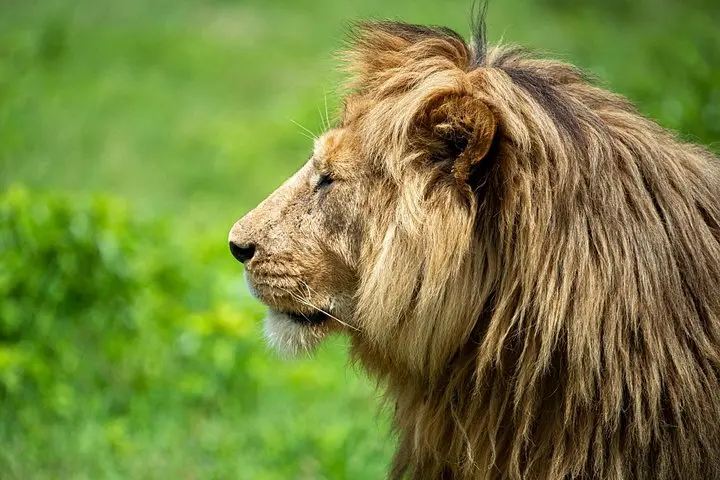
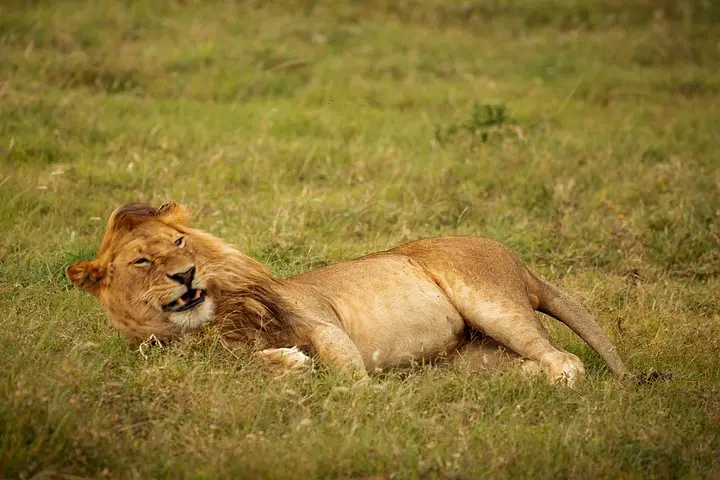
On a day trip from Arusha you’ll travel in a raised safari vehicle with an open roof, scanning for lions, black rhino, elephant, buffalo and leopard among zebra and wildebeest. Guides read animal behavior like weather and position vehicles for clean views and picnic stops — the provided lunch is often taken at a scenic pullout where the crater keeps watch.
Practical notes: departures start early to capitalize on morning activity; expect a 7–10 hour outing with long stretches in the vehicle and short walks at viewpoints. Park entrance and guide fees are typically included; bring layers for temperature swings between dawn and midday, sun protection for the open roof, and a modest tip for your guide. Respect posted distances from wildlife, follow your guide’s instructions, and pack out any waste; the crater rewards attentive observers with some of East Africa’s most concentrated wildlife encounters.
This tour typically includes park entry fees and the services of a professional guide; confirm at booking and keep identification on hand.
Ngorongoro has one of the highest concentrations of wildlife, so sightings of many Big Five species are possible, but wildlife sightings cannot be guaranteed.
The tour is family-friendly and largely vehicle-based; however, long hours in the vehicle can be tiring and the crater roads are bumpy — discuss mobility needs with the operator before booking.
Packed lunch and bottled water are provided, but bring snacks, any personal dietary items, and a reusable bottle if you want extra water.
FraFri Adventure Escapes operates guided outdoor trips and adventures with an emphasis on safety, stewardship, and memorable experiences.

You step out of the vehicle as the rim wind nudges your jacket and the crater opens before you like a living amphitheater — walls falling away into a bowl of grassland, acacia pockets and a scatter of wildlife moving with purpose.
You step out of the vehicle as the rim wind nudges your jacket and the crater opens before you like a living amphitheater — walls falling away into a bowl of grassland, acacia pockets and a scatter of wildlife moving with purpose.
Ngorongoro is the collapsed caldera of a giant volcano, formed roughly 2–3 million years ago and now protected within the Ngorongoro Conservation Area, a UNESCO World Heritage Site. The geology creates a self-contained ecosystem: a rim that shades early morning mist, a floor that gathers grazers, and seasonal lakes that call flamingos and hippos. Maasai pastoralists share the broader landscape; their herds and cultural practices remain part of the human story here.
On a day trip from Arusha you’ll travel in a raised safari vehicle with an open roof, scanning for lions, black rhino, elephant, buffalo and leopard among zebra and wildebeest. Guides read animal behavior like weather and position vehicles for clean views and picnic stops — the provided lunch is often taken at a scenic pullout where the crater keeps watch.
Practical notes: departures start early to capitalize on morning activity; expect a 7–10 hour outing with long stretches in the vehicle and short walks at viewpoints. Park entrance and guide fees are typically included; bring layers for temperature swings between dawn and midday, sun protection for the open roof, and a modest tip for your guide. Respect posted distances from wildlife, follow your guide’s instructions, and pack out any waste; the crater rewards attentive observers with some of East Africa’s most concentrated wildlife encounters.