THE ADVENTURE COLLECTIVE® · Independent discovery and booking for outdoor travel

Spend a day following the 1944 landings from Paris: scale the cliffs at Pointe du Hoc, walk Omaha Beach, and pause at the Normandy American Cemetery. This practical guide prepares you for logistics, terrain, and what to expect on the coast.
Spend a day following the 1944 landings from Paris: scale the cliffs at Pointe du Hoc, walk Omaha Beach, and pause at the Normandy American Cemetery. This practical guide prepares you for logistics, terrain, and what to expect on the coast.
You step off the coach onto the flat stretch of sand at Omaha; the Atlantic wind dares you to look back up at the cliffs where Rangers once climbed and shells still scar the chalk rock.
Verified experiences and guided adventures in the surrounding area.
Operated by Come & Go Logistics · Colleville-sur-Mer, Normandy
You step off the coach onto the flat stretch of sand at Omaha; the Atlantic wind dares you to look back up at the cliffs where Rangers once climbed and shells still scar the chalk rock.
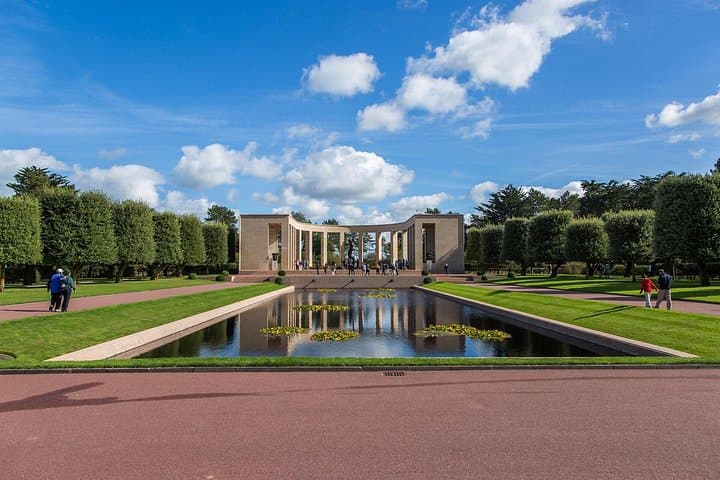
This full-day circuit moves between three hard-edged reminders of June 6, 1944: Pointe du Hoc’s sheer chalk escarpments, the wide sweep of Omaha Beach, and the neat rows of the Normandy American Cemetery at Colleville-sur-Mer. Geologically the coastline is young chalk and sand, shaped by tidal forces and erosion that continue to push cliffs inland—nature playing its own slow, indifferent role in the landscape of memory.
History here is immediate: Ranger scaling routes, preserved bunkers, and interpretive displays at the Overlord Museum explain the amphibious assault, tactical objectives, and the civilian life of small Norman towns. Local culture is simple and rooted—small cafes serving cider and Camembert, and fishing harbors that now welcome visitors rather than convoys.
Practicalities are straightforward. Expect an 8–10 hour day with hotel pickup from Paris, coach transport, and guided commentary. Wear sturdy shoes for uneven terrain and layered outerwear; bring water and respect cemetery etiquette (quiet, no touching of headstones). Photography is fine in most spots but follow posted restrictions around memorials and historic structures. Plan for sharp light on the beach in summer and strong winds any season—timing visits around tides and short walks will make the day both moving and manageable.
The tour notes entrance fees among inclusions—confirm at booking which sites (museums) are covered; memorial grounds are typically free.
Pickup is provided door-to-door in Paris with a scheduled morning pickup—confirm your hotel pickup point when booking.
Yes—infants must sit on laps; the tour is rated easy but involves long coach transfers and emotional sites, so plan accordingly.
The American Cemetery is largely accessible, but Pointe du Hoc and some beach areas have steep steps, uneven ground and may be difficult for wheelchairs.
Come & Go Logistics operates guided outdoor trips and adventures with an emphasis on safety, stewardship, and memorable experiences.


You step off the coach onto the flat stretch of sand at Omaha; the Atlantic wind dares you to look back up at the cliffs where Rangers once climbed and shells still scar the chalk rock.
You step off the coach onto the flat stretch of sand at Omaha; the Atlantic wind dares you to look back up at the cliffs where Rangers once climbed and shells still scar the chalk rock.
This full-day circuit moves between three hard-edged reminders of June 6, 1944: Pointe du Hoc’s sheer chalk escarpments, the wide sweep of Omaha Beach, and the neat rows of the Normandy American Cemetery at Colleville-sur-Mer. Geologically the coastline is young chalk and sand, shaped by tidal forces and erosion that continue to push cliffs inland—nature playing its own slow, indifferent role in the landscape of memory.
History here is immediate: Ranger scaling routes, preserved bunkers, and interpretive displays at the Overlord Museum explain the amphibious assault, tactical objectives, and the civilian life of small Norman towns. Local culture is simple and rooted—small cafes serving cider and Camembert, and fishing harbors that now welcome visitors rather than convoys.
Practicalities are straightforward. Expect an 8–10 hour day with hotel pickup from Paris, coach transport, and guided commentary. Wear sturdy shoes for uneven terrain and layered outerwear; bring water and respect cemetery etiquette (quiet, no touching of headstones). Photography is fine in most spots but follow posted restrictions around memorials and historic structures. Plan for sharp light on the beach in summer and strong winds any season—timing visits around tides and short walks will make the day both moving and manageable.