THE ADVENTURE COLLECTIVE® · Independent discovery and booking for outdoor travel

A private full-day tour along Israel’s northern Mediterranean — from the cliff-top tunnels of Rosh Ha-Nikra to the Keshet Cave arch and the layered streets of Acre. Expect moderate hikes, coastal geology, and seaside history in one flexible day.
A private full-day tour along Israel’s northern Mediterranean — from the cliff-top tunnels of Rosh Ha-Nikra to the Keshet Cave arch and the layered streets of Acre. Expect moderate hikes, coastal geology, and seaside history in one flexible day.
You step out of the van onto a wind-swept cliff and the Mediterranean stretches pale and wide, waves gushing into grotto mouths below. Salt air and limestone dust fill the throat of the coast; gulls wheel where the land ends and the sea dares you to keep watching.
Verified experiences and guided adventures in the surrounding area.
Operated by Ibrahim Emtanis · Haifa, Haifa District
You step out of the van onto a wind-swept cliff and the Mediterranean stretches pale and wide, waves gushing into grotto mouths below. Salt air and limestone dust fill the throat of the coast; gulls wheel where the land ends and the sea dares you to keep watching.
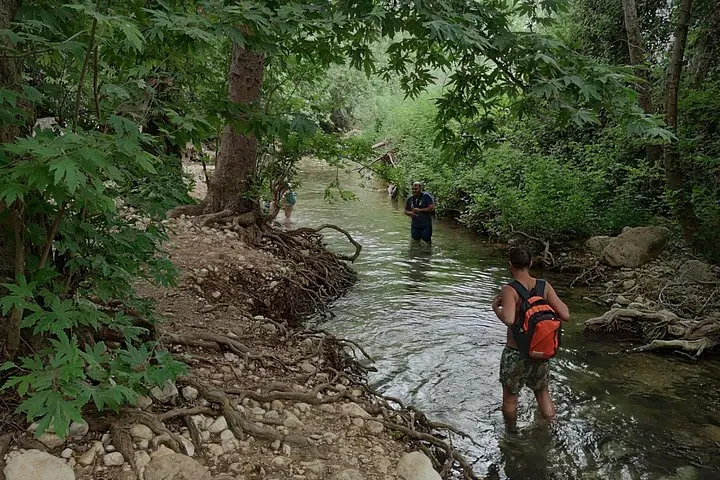
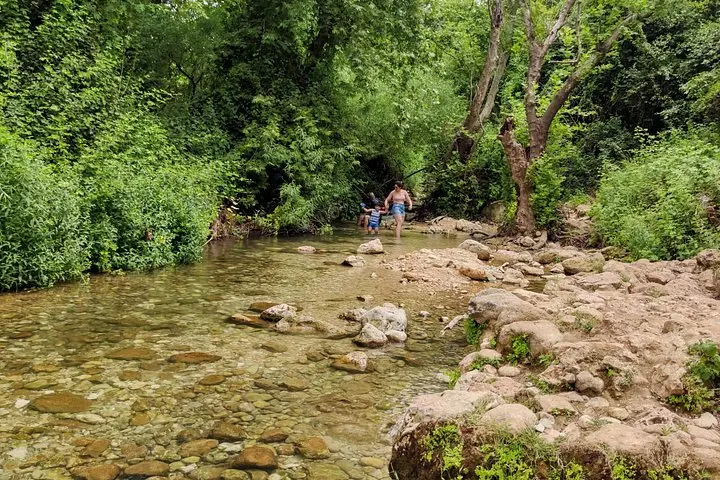
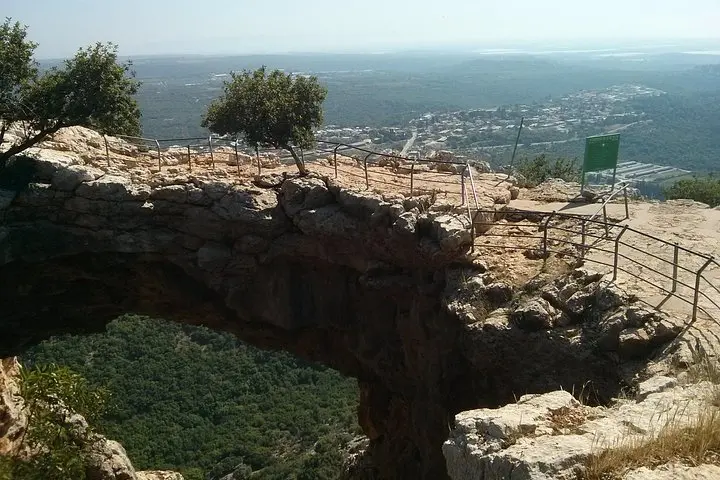
This full-day private route threads together Rosh Ha-Nikra’s coastal tunnels, the karst arch at Ma’arat Keshet (Keshet Cave), the shallow pools of the Hardalit spring, and the layered history of Acre (Akko). Geology here is blunt and honest: coastal limestone carved into sea caves and a collapsed cave roof that remains as a towering arch above the valley. Culturally the route crosses borders in time — from Ottoman-era fortifications and Crusader halls in Acre to modern geopolitical edges at the Lebanese frontier.
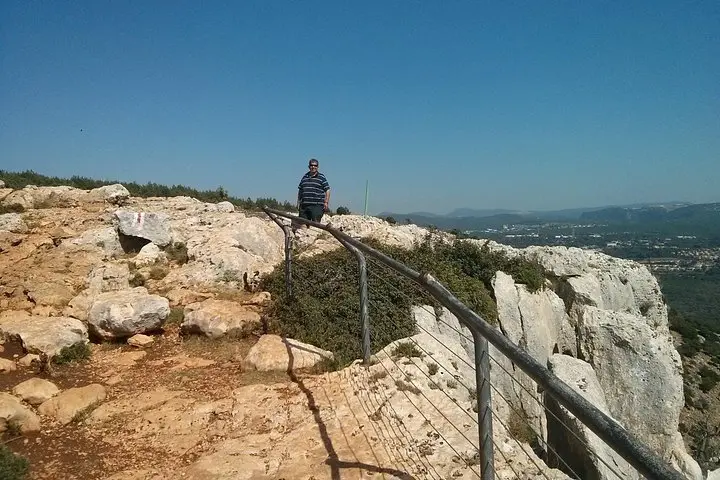
Expect short moderate hikes over rocky overlooks, a cable-car descent at Rosh Ha-Nikra, and easy wading at a cool spring where the water runs ankle-deep. Guides will place history beside the view — Crusader strongholds, Bahá’í sites, and local fishing traditions — and explain the fragile coastal ecology.
Practical notes: plan for 6–8 hours, bring a sturdy pair of hiking shoes and layered clothing for coastal wind, and carry at least 2 liters of water per person in summer. Timing matters; morning light is best at the caves, late afternoon softens Acre’s stonework. Respect protected areas, watch footing on uneven karst, and save appetite for fresh fish at a harbor-side cafe to close a day that balances geology, history and active exploration.
Pickup location and time are agreed with the operator at booking—many guests choose Haifa, Acre or Nazareth as pickup points.
Yes; short walks and the cable car are suitable for children, but some cliff viewpoints have uneven ground—supervise young kids closely.
Admissions are generally not included; restaurants in Acre are optional and paid separately—confirm specifics when booking.
Hikes are short to moderate with some uneven terrain and staircases—recommended for those comfortable with light to moderate walking.
Ibrahim Emtanis operates guided outdoor trips and adventures with an emphasis on safety, stewardship, and memorable experiences.
You step out of the van onto a wind-swept cliff and the Mediterranean stretches pale and wide, waves gushing into grotto mouths below. Salt air and limestone dust fill the throat of the coast; gulls wheel where the land ends and the sea dares you to keep watching.
You step out of the van onto a wind-swept cliff and the Mediterranean stretches pale and wide, waves gushing into grotto mouths below. Salt air and limestone dust fill the throat of the coast; gulls wheel where the land ends and the sea dares you to keep watching.
This full-day private route threads together Rosh Ha-Nikra’s coastal tunnels, the karst arch at Ma’arat Keshet (Keshet Cave), the shallow pools of the Hardalit spring, and the layered history of Acre (Akko). Geology here is blunt and honest: coastal limestone carved into sea caves and a collapsed cave roof that remains as a towering arch above the valley. Culturally the route crosses borders in time — from Ottoman-era fortifications and Crusader halls in Acre to modern geopolitical edges at the Lebanese frontier.
Expect short moderate hikes over rocky overlooks, a cable-car descent at Rosh Ha-Nikra, and easy wading at a cool spring where the water runs ankle-deep. Guides will place history beside the view — Crusader strongholds, Bahá’í sites, and local fishing traditions — and explain the fragile coastal ecology.
Practical notes: plan for 6–8 hours, bring a sturdy pair of hiking shoes and layered clothing for coastal wind, and carry at least 2 liters of water per person in summer. Timing matters; morning light is best at the caves, late afternoon softens Acre’s stonework. Respect protected areas, watch footing on uneven karst, and save appetite for fresh fish at a harbor-side cafe to close a day that balances geology, history and active exploration.