THE ADVENTURE COLLECTIVE® · Independent discovery and booking for outdoor travel

Float through channels of papyrus in a traditional mokoro, share stories with local polers, and land for a shaded island picnic and guided walk—this full‑day Okavango experience blends quiet water travel with close wildlife viewing. Read on for what to expect and how to prepare.
Float through channels of papyrus in a traditional mokoro, share stories with local polers, and land for a shaded island picnic and guided walk—this full‑day Okavango experience blends quiet water travel with close wildlife viewing. Read on for what to expect and how to prepare.
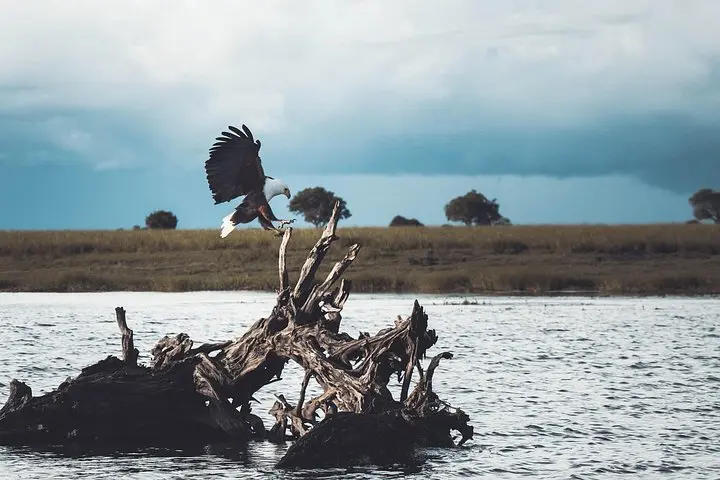
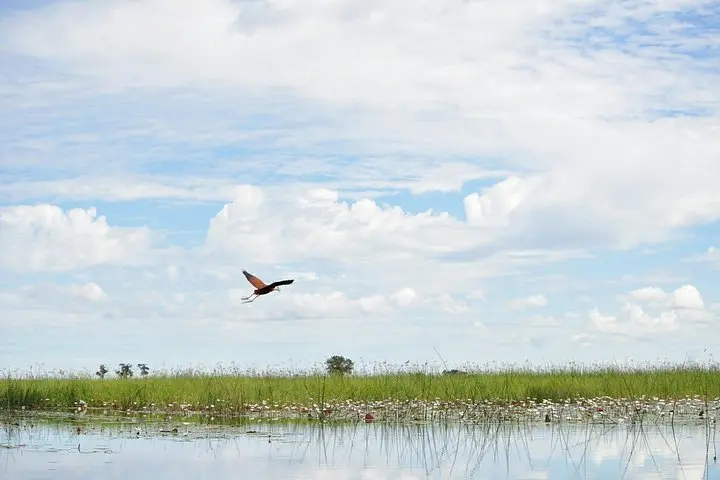
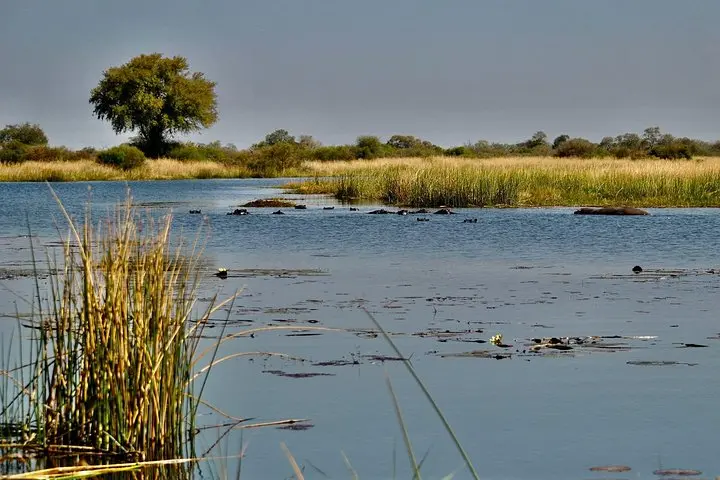
The canoe slips forward on glassy water as papyrus blades part like curtains and the guide’s pole taps a measured rhythm. Sun heats the flat delta plain; hippos blow in the shallows and kingfishers flash blue from reed tops. You arrive at a quiet island where a picnic is spread beneath a fever tree and the only soundtrack is distant elephant calls.
Verified experiences and guided adventures in the surrounding area.
Operated by Bantu Safaris Southern Africa · Maun, North-West District
The canoe slips forward on glassy water as papyrus blades part like curtains and the guide’s pole taps a measured rhythm. Sun heats the flat delta plain; hippos blow in the shallows and kingfishers flash blue from reed tops. You arrive at a quiet island where a picnic is spread beneath a fever tree and the only soundtrack is distant elephant calls.
This is the Okavango Delta: an inland floodplain born where the Boteti and seasonal tributaries fan into a maze of channels and islands. Geologically recent compared with Africa’s rift valleys, the delta’s seasonal floods create a shifting mosaic of water and grass that has shaped Tswana culture and the mokoro—single-tree dugout canoes—used for generations to navigate it. Guides on these trips are often local Mokoro community members who share skills, stories, and knowledge of birds, hippos, crocodiles and elephant movement.
Expect a full-day rhythm: a scenic drive from Maun to the mokoro station, a guided poling trip through narrow channels, a picnic lunch on a shaded island, then a nature walk to inspect tracks and smaller wildlife. Wildlife sightings are common but never guaranteed; quiet movement and binoculars increase success.
Practical tips: wear quick-dry clothing and sun protection, bring insect repellent and a dry bag for cameras. The trip is low-impact but includes sitting in a low canoe and short, uneven island walks—good mobility helps. If you go in the dry winter months (May–Aug) animals concentrate and visibility improves; the green season brings breeding birds and higher water levels. Travel light, respect wildlife distances, and let the current set the day’s pace.
This is a full‑day experience (about 12 hours) with pickup in Maun and a scenic drive to the mokoro station before the water portion begins.
Yes—families and non-swimmers commonly join; infants must sit on an adult’s lap and guides manage safety from the mokoro.
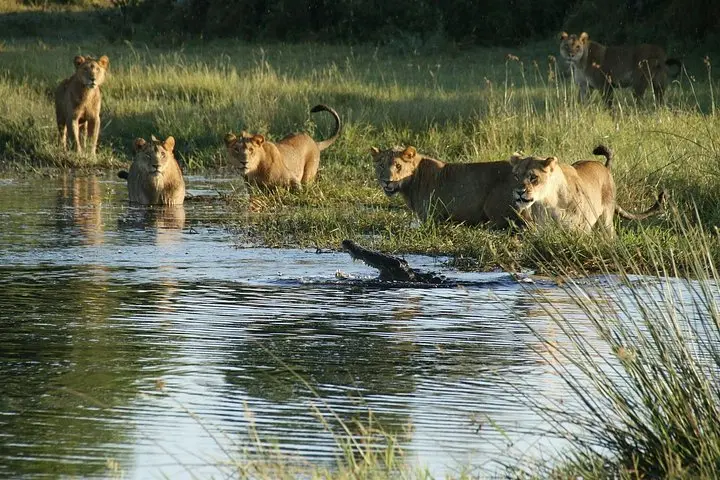
Common sightings include hippos, crocodiles, a variety of waterbirds, and on island walks you may spot elephant, antelope or smaller mammals—sightings vary by season.
Yes—the operator can provide vegetarian, vegan and gluten‑free options if advised at booking.
Bantu Safaris Southern Africa operates guided outdoor trips and adventures with an emphasis on safety, stewardship, and memorable experiences.
The canoe slips forward on glassy water as papyrus blades part like curtains and the guide’s pole taps a measured rhythm. Sun heats the flat delta plain; hippos blow in the shallows and kingfishers flash blue from reed tops. You arrive at a quiet island where a picnic is spread beneath a fever tree and the only soundtrack is distant elephant calls.
The canoe slips forward on glassy water as papyrus blades part like curtains and the guide’s pole taps a measured rhythm. Sun heats the flat delta plain; hippos blow in the shallows and kingfishers flash blue from reed tops. You arrive at a quiet island where a picnic is spread beneath a fever tree and the only soundtrack is distant elephant calls.
This is the Okavango Delta: an inland floodplain born where the Boteti and seasonal tributaries fan into a maze of channels and islands. Geologically recent compared with Africa’s rift valleys, the delta’s seasonal floods create a shifting mosaic of water and grass that has shaped Tswana culture and the mokoro—single-tree dugout canoes—used for generations to navigate it. Guides on these trips are often local Mokoro community members who share skills, stories, and knowledge of birds, hippos, crocodiles and elephant movement.
Expect a full-day rhythm: a scenic drive from Maun to the mokoro station, a guided poling trip through narrow channels, a picnic lunch on a shaded island, then a nature walk to inspect tracks and smaller wildlife. Wildlife sightings are common but never guaranteed; quiet movement and binoculars increase success.
Practical tips: wear quick-dry clothing and sun protection, bring insect repellent and a dry bag for cameras. The trip is low-impact but includes sitting in a low canoe and short, uneven island walks—good mobility helps. If you go in the dry winter months (May–Aug) animals concentrate and visibility improves; the green season brings breeding birds and higher water levels. Travel light, respect wildlife distances, and let the current set the day’s pace.