THE ADVENTURE COLLECTIVE® · Independent discovery and booking for outdoor travel

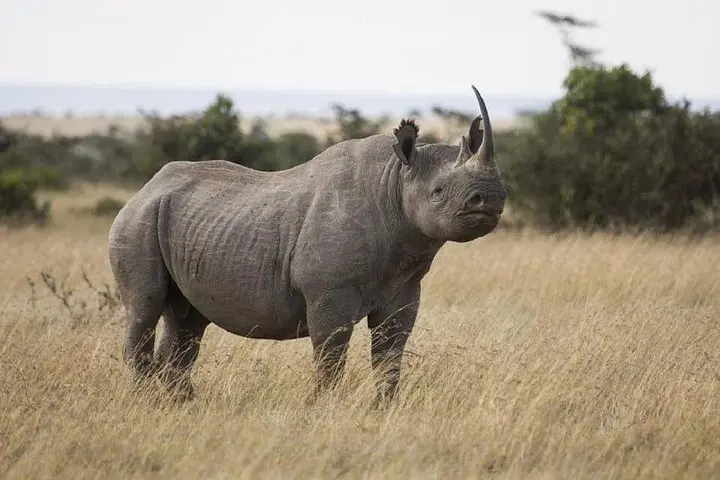
Spend a long day driving from Nairobi to Ol Pejeta Conservancy to see black rhinos, visit a blind rhino named Baraka, and tour Kenya’s chimpanzee sanctuary—with a photo stop at the equator. This private day tour blends focused wildlife viewing with conservation insights and lodge-side lunch options.
Spend a long day driving from Nairobi to Ol Pejeta Conservancy to see black rhinos, visit a blind rhino named Baraka, and tour Kenya’s chimpanzee sanctuary—with a photo stop at the equator. This private day tour blends focused wildlife viewing with conservation insights and lodge-side lunch options.
You climb into a customized safari van at 5 a.m., Nairobi thinning behind you as the road runs toward the ragged silhouette of Mount Kenya. Dawn spills across the Laikipia plains; mopane trees and acacia edges slide past the window while the van hums—an uncomplicated kind of promise. At the equator sign in Nanyuki people pause for the obligatory photo; moments later Ol Pejeta’s fence line and the first tracking signs of rhino protection squads put the wild on full alert.
Verified experiences and guided adventures in the surrounding area.
Operated by Excellent GameSpotting Adventures · Nanyuki, Laikipia County
You climb into a customized safari van at 5 a.m., Nairobi thinning behind you as the road runs toward the ragged silhouette of Mount Kenya. Dawn spills across the Laikipia plains; mopane trees and acacia edges slide past the window while the van hums—an uncomplicated kind of promise. At the equator sign in Nanyuki people pause for the obligatory photo; moments later Ol Pejeta’s fence line and the first tracking signs of rhino protection squads put the wild on full alert.
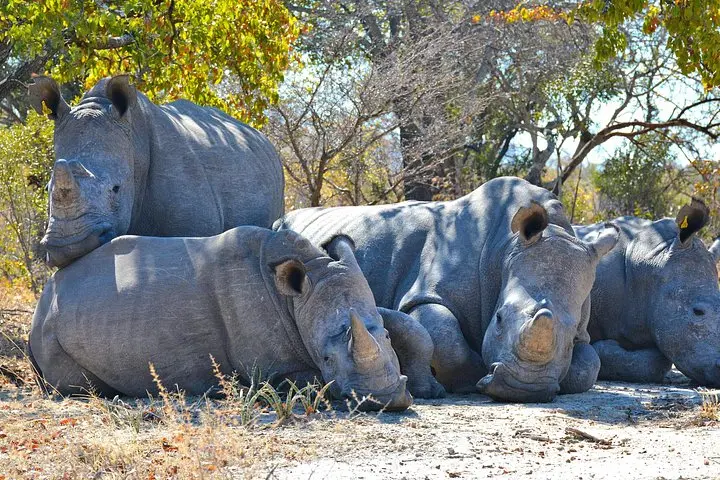
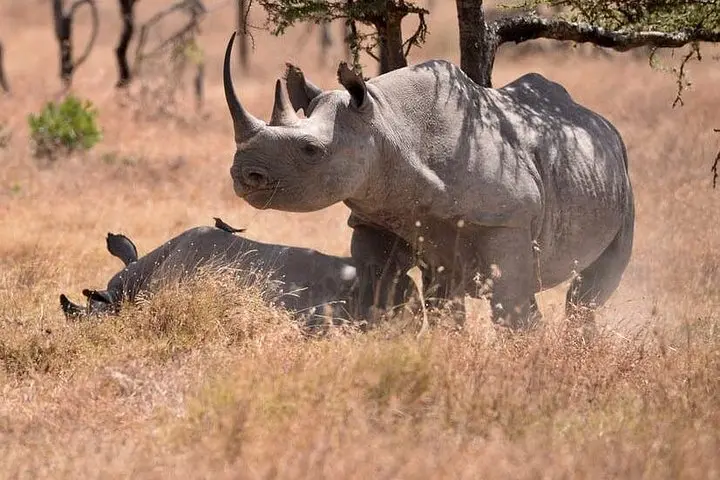
Ol Pejeta sits on Kenya’s central plateau where volcanic soils from Mount Kenya meet semi-arid savanna. The conservancy is a modern hybrid: a working ranch turned conservation landscape that now hosts the world’s last northern white rhinos, hundreds of black rhinos, and a sanctuary for the country’s remaining chimpanzees. Baraka, a blind rhino on the eastern side, is as much a local character as the camp staff who keep radios keyed for patrols and vet calls.
Practically speaking, this is an all-day field trip. Expect several hours of driving each way from Nairobi and roughly five hours of game viewing scattered through the day, plus a café lunch at Sweetwaters Serena (self-pay). Bring sun protection, binoculars, and a camera with a telephoto lens; dress in neutral tones and stay seated on the van during drives. Guides balance patience with preparedness—tracking animals, briefing on safety, and pointing out lesser-noticed behaviors. If you want a close northern white rhino encounter there’s often an extra-cost visit; otherwise, the open plains, watering holes, and disciplined conservation teams deliver a full, instructive safari experience.
Expect roughly 3–4 hours one way depending on traffic and road conditions; the full tour is an all-day outing.
Lunch at Sweetwaters Serena is typically at your own expense; bottled water is provided on the vehicle.
Northern white rhino encounters are limited and often offered as an optional, extra-cost visit—confirm availability when booking.
The tour is family-friendly but not recommended for pregnant travelers or those with serious back or heart conditions due to long vehicle time.
Excellent GameSpotting Adventures operates guided outdoor trips and adventures with an emphasis on safety, stewardship, and memorable experiences.
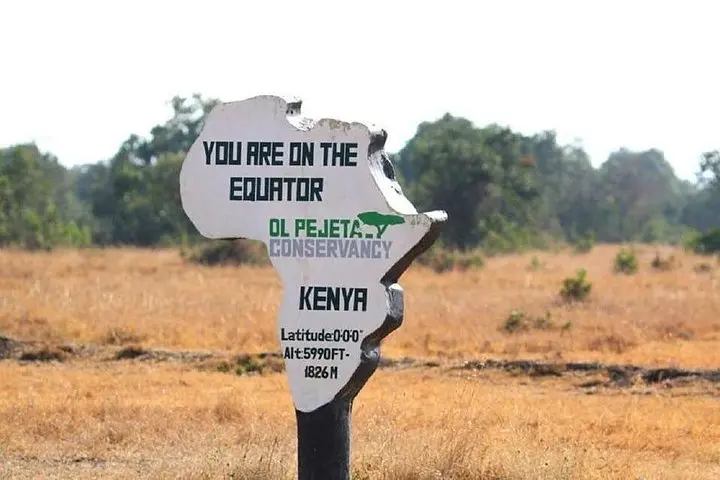
You climb into a customized safari van at 5 a.m., Nairobi thinning behind you as the road runs toward the ragged silhouette of Mount Kenya. Dawn spills across the Laikipia plains; mopane trees and acacia edges slide past the window while the van hums—an uncomplicated kind of promise. At the equator sign in Nanyuki people pause for the obligatory photo; moments later Ol Pejeta’s fence line and the first tracking signs of rhino protection squads put the wild on full alert.
You climb into a customized safari van at 5 a.m., Nairobi thinning behind you as the road runs toward the ragged silhouette of Mount Kenya. Dawn spills across the Laikipia plains; mopane trees and acacia edges slide past the window while the van hums—an uncomplicated kind of promise. At the equator sign in Nanyuki people pause for the obligatory photo; moments later Ol Pejeta’s fence line and the first tracking signs of rhino protection squads put the wild on full alert.
Ol Pejeta sits on Kenya’s central plateau where volcanic soils from Mount Kenya meet semi-arid savanna. The conservancy is a modern hybrid: a working ranch turned conservation landscape that now hosts the world’s last northern white rhinos, hundreds of black rhinos, and a sanctuary for the country’s remaining chimpanzees. Baraka, a blind rhino on the eastern side, is as much a local character as the camp staff who keep radios keyed for patrols and vet calls.
Practically speaking, this is an all-day field trip. Expect several hours of driving each way from Nairobi and roughly five hours of game viewing scattered through the day, plus a café lunch at Sweetwaters Serena (self-pay). Bring sun protection, binoculars, and a camera with a telephoto lens; dress in neutral tones and stay seated on the van during drives. Guides balance patience with preparedness—tracking animals, briefing on safety, and pointing out lesser-noticed behaviors. If you want a close northern white rhino encounter there’s often an extra-cost visit; otherwise, the open plains, watering holes, and disciplined conservation teams deliver a full, instructive safari experience.