THE ADVENTURE COLLECTIVE® · Independent discovery and booking for outdoor travel

Walk Osaka from castle park to neon-lit Dotonbori with a local expert guiding you through history, shrines, and the city’s best street food. This full-day private tour pairs insider tips with practical routing for an efficient, sensory-rich day in Japan’s kitchen.
Walk Osaka from castle park to neon-lit Dotonbori with a local expert guiding you through history, shrines, and the city’s best street food. This full-day private tour pairs insider tips with practical routing for an efficient, sensory-rich day in Japan’s kitchen.
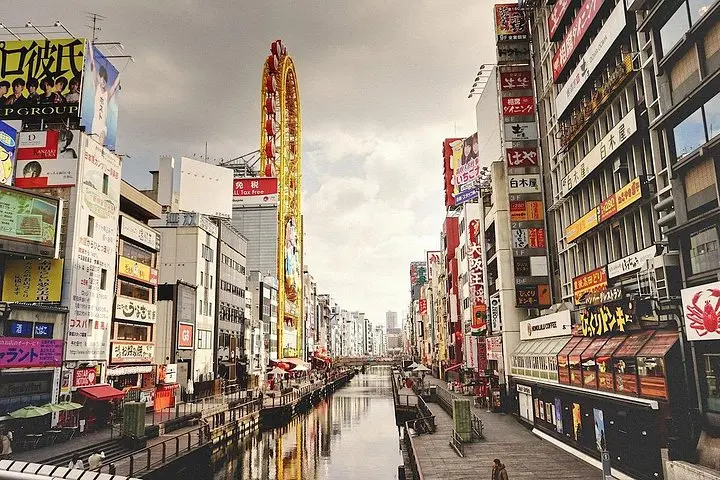
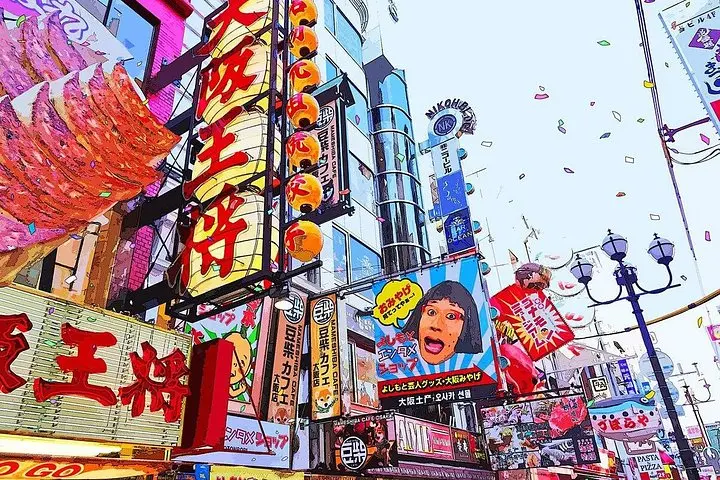
Morning light hits the canal in Dotonbori and the city hums awake—the smell of takoyaki frying drifts across narrow alleys while the Glico sign blinks overhead. On a full-day walking tour through Osaka you move at the city’s tempo: quick wedges of neon, quiet shrine courtyards, and broad park lawns around the castle.
Verified experiences and guided adventures in the surrounding area.
Operated by JewelTours.Japan · Osaka, Osaka Prefecture
Morning light hits the canal in Dotonbori and the city hums awake—the smell of takoyaki frying drifts across narrow alleys while the Glico sign blinks overhead. On a full-day walking tour through Osaka you move at the city’s tempo: quick wedges of neon, quiet shrine courtyards, and broad park lawns around the castle.
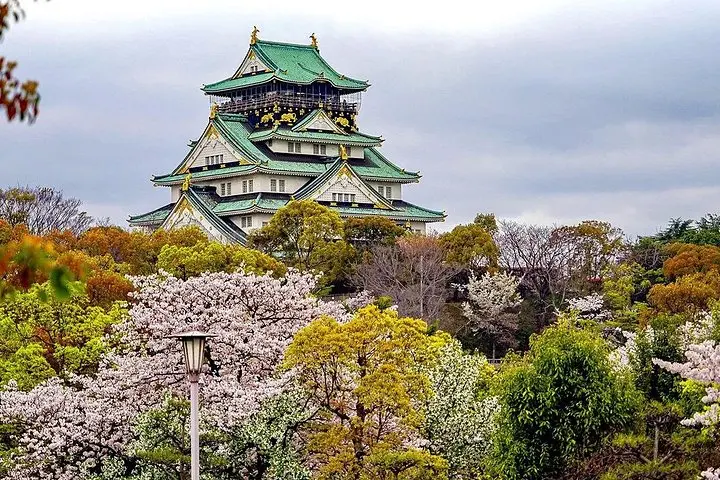
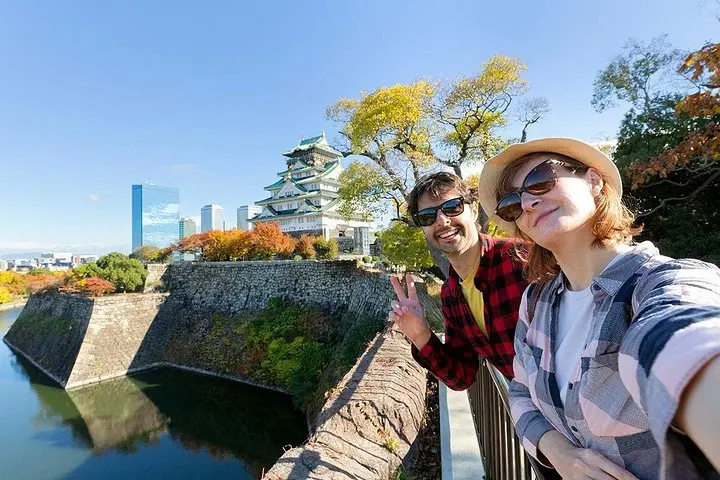
Osaka’s story is visible in stones and streets. Osaka Castle, rebuilt by Toyotomi Hideyoshi in the 16th century, perches on man-made stonework above the Osaka Plain carved by the Yodo River; the city grew as Japan’s historical merchant hub, a place that trades flavor and humor as freely as goods. Shrines such as Sumiyoshi Taisha show pre-modern Japanese architecture and rituals, while Kuromon Market and Dotonbori lay out Osaka’s culinary culture—loud, generous, and unapologetically tasty.
A local guide threads these sites into a single day, switching from castle ramparts to temple incense to the aerial quiet of Umeda Sky Building at dusk. Expect mixed urban terrain: paved streets, park paths and stairways; several short walks between neighborhoods add up across eight hours.
Practical notes: start early to avoid crowds at popular spots, carry a pocket of yen or an ICOCA card for small vendors, and plan lunch stops in Kuromon for the best street snacks. Comfortable walking shoes, sun protection, and a charged phone for maps and translation make the day smoother. Move deliberately—Osaka invites curiosity and rewards paced exploration.
The operator can meet you at your hotel, the airport, cruise terminal, or any agreed pickup point in Osaka—confirm location before the tour.
Meals and admission fees are typically not included; the tour provides guidance and stops at markets and restaurants where you can purchase food.
Many locations on the route are accessible and the operator lists wheelchair/stroller accessibility, but some shrine steps or market alleys may be challenging—check with your guide for specific route adjustments.
Yes—guides tailor the day to interests (food, photo stops, temples) within the eight-hour schedule; advise dietary needs or mobility constraints in advance.
JewelTours.Japan operates guided outdoor trips and adventures with an emphasis on safety, stewardship, and memorable experiences.
Morning light hits the canal in Dotonbori and the city hums awake—the smell of takoyaki frying drifts across narrow alleys while the Glico sign blinks overhead. On a full-day walking tour through Osaka you move at the city’s tempo: quick wedges of neon, quiet shrine courtyards, and broad park lawns around the castle.
Morning light hits the canal in Dotonbori and the city hums awake—the smell of takoyaki frying drifts across narrow alleys while the Glico sign blinks overhead. On a full-day walking tour through Osaka you move at the city’s tempo: quick wedges of neon, quiet shrine courtyards, and broad park lawns around the castle.
Osaka’s story is visible in stones and streets. Osaka Castle, rebuilt by Toyotomi Hideyoshi in the 16th century, perches on man-made stonework above the Osaka Plain carved by the Yodo River; the city grew as Japan’s historical merchant hub, a place that trades flavor and humor as freely as goods. Shrines such as Sumiyoshi Taisha show pre-modern Japanese architecture and rituals, while Kuromon Market and Dotonbori lay out Osaka’s culinary culture—loud, generous, and unapologetically tasty.
A local guide threads these sites into a single day, switching from castle ramparts to temple incense to the aerial quiet of Umeda Sky Building at dusk. Expect mixed urban terrain: paved streets, park paths and stairways; several short walks between neighborhoods add up across eight hours.
Practical notes: start early to avoid crowds at popular spots, carry a pocket of yen or an ICOCA card for small vendors, and plan lunch stops in Kuromon for the best street snacks. Comfortable walking shoes, sun protection, and a charged phone for maps and translation make the day smoother. Move deliberately—Osaka invites curiosity and rewards paced exploration.