THE ADVENTURE COLLECTIVE® · Independent discovery and booking for outdoor travel

Cross the High Atlas for a full-day exploration of Ouarzazate and the UNESCO-listed ksar of Ait Ben Haddou. This long day trip pairs high-mountain scenery with compact earthen architecture and local Berber culture.
Cross the High Atlas for a full-day exploration of Ouarzazate and the UNESCO-listed ksar of Ait Ben Haddou. This long day trip pairs high-mountain scenery with compact earthen architecture and local Berber culture.
You leave Marrakech before dawn, the city lights shrinking behind you as the road climbs toward the High Atlas. Air tightens and the landscape changes: olive-studded foothills give way to rocky passes, fluted ridgelines and villages of sun-baked red earth. The minivan threads hairpin turns to Tizi n'Tichka (about 2,260 m), where the view stretches toward the arid plains below and the promise of ancient architecture ahead.
Verified experiences and guided adventures in the surrounding area.
Operated by Gouaghdime Tours · Ait Ben Haddou, Drâa-Tafilalet
You leave Marrakech before dawn, the city lights shrinking behind you as the road climbs toward the High Atlas. Air tightens and the landscape changes: olive-studded foothills give way to rocky passes, fluted ridgelines and villages of sun-baked red earth. The minivan threads hairpin turns to Tizi n'Tichka (about 2,260 m), where the view stretches toward the arid plains below and the promise of ancient architecture ahead.
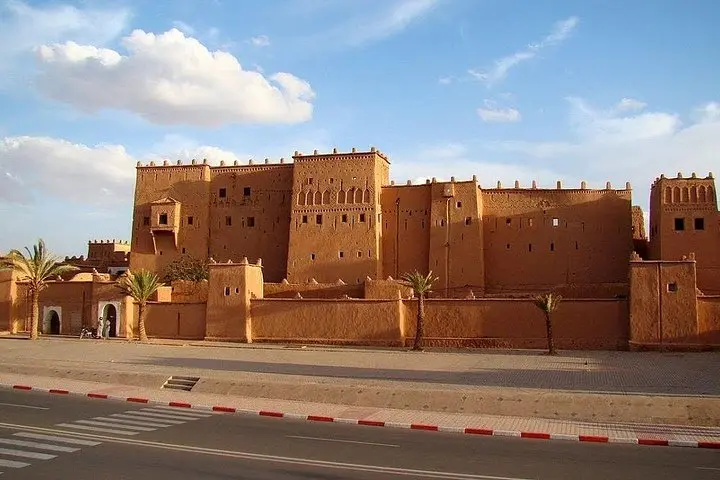
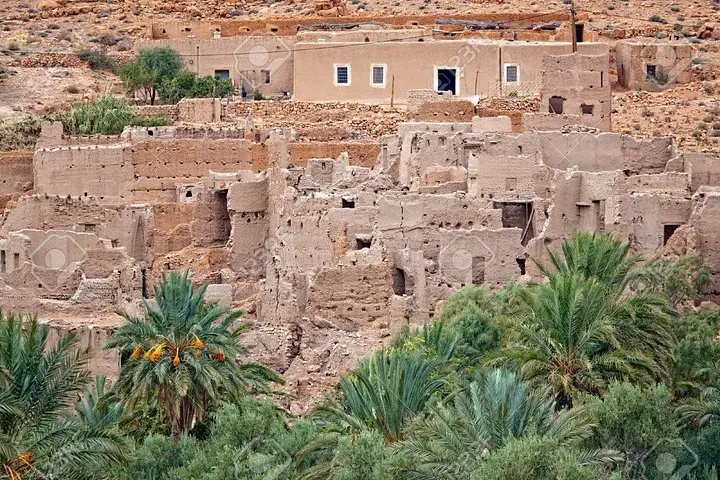
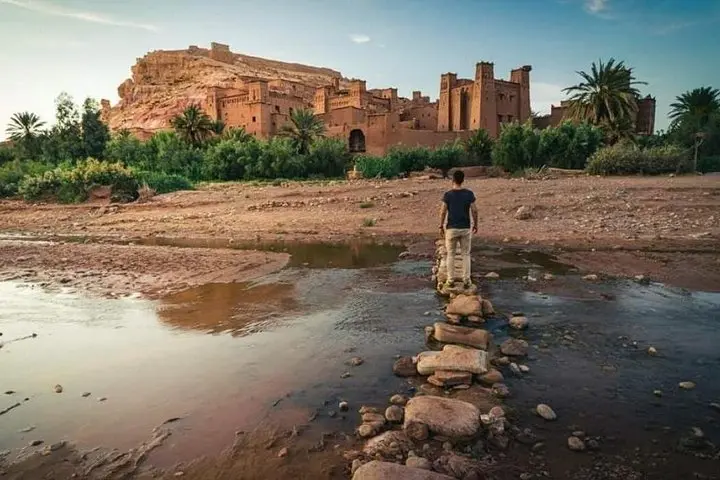
Ait Ben Haddou stands at the edge of those plains — a ksar of compact mud-brick houses and defensive towers recorded by UNESCO in 1987. The site is a clear example of southern Moroccan earthen architecture, shaped by caravan trade routes and the practical need to shelter families and goods. Nearby Ouarzazate, once a caravan crossroads and now a film production hub, reveals layers of modern industry layered over traditional kasbah culture.
Geology here is granite and schist uplifted by the Atlas orogeny; erosion sculpts the valley floors and creates the ochre tones that make the kasbahs appear to rise from the land itself. Local Berber communities still tend terraces and trade crafts; respectful interaction and hiring a local guide supports that economy.
Practically: expect a 10–12 hour day with roughly 3–4 hours driving each way from Marrakech (≈200 km). Wear sturdy shoes for cobbles and uneven stairs, carry sunscreen, layered clothing for cool passes, and cash for small purchases. The visit includes a guided walk through Ait Ben Haddou’s narrow alleys and time for photographs of the ramparts. Plan for a long but rewarding day—mountain air, dramatic viewpoints, and an immersive window into Morocco’s southern architecture and history.
Expect about 3–4 hours each way, depending on traffic and stops; the full excursion runs roughly 10–12 hours.
No technical hiking is required, but alleyways are narrow and uneven; wear comfortable, grippy shoes and be prepared for some stairs.
Many tours include a local guide and admission; confirm specifics with your operator before departure and carry small cash for unexpected fees.
Yes, tours run year-round but high passes like Tizi n'Tichka can have snow or temporary closures—operators may adjust routes or schedules.
Gouaghdime Tours operates guided outdoor trips and adventures with an emphasis on safety, stewardship, and memorable experiences.
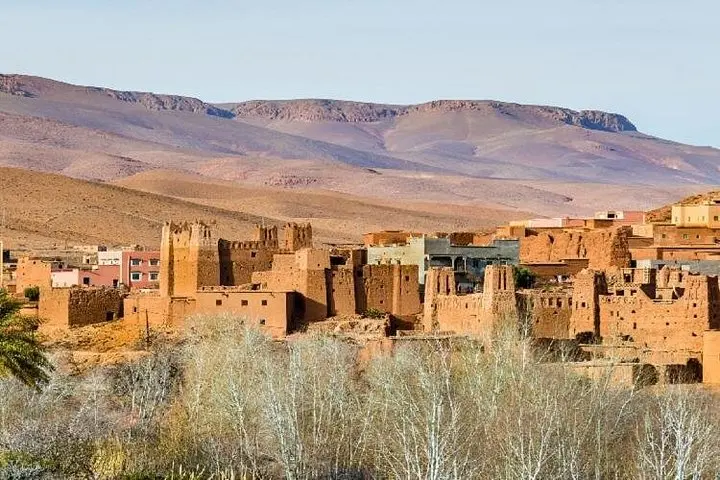
You leave Marrakech before dawn, the city lights shrinking behind you as the road climbs toward the High Atlas. Air tightens and the landscape changes: olive-studded foothills give way to rocky passes, fluted ridgelines and villages of sun-baked red earth. The minivan threads hairpin turns to Tizi n'Tichka (about 2,260 m), where the view stretches toward the arid plains below and the promise of ancient architecture ahead.
You leave Marrakech before dawn, the city lights shrinking behind you as the road climbs toward the High Atlas. Air tightens and the landscape changes: olive-studded foothills give way to rocky passes, fluted ridgelines and villages of sun-baked red earth. The minivan threads hairpin turns to Tizi n'Tichka (about 2,260 m), where the view stretches toward the arid plains below and the promise of ancient architecture ahead.
Ait Ben Haddou stands at the edge of those plains — a ksar of compact mud-brick houses and defensive towers recorded by UNESCO in 1987. The site is a clear example of southern Moroccan earthen architecture, shaped by caravan trade routes and the practical need to shelter families and goods. Nearby Ouarzazate, once a caravan crossroads and now a film production hub, reveals layers of modern industry layered over traditional kasbah culture.
Geology here is granite and schist uplifted by the Atlas orogeny; erosion sculpts the valley floors and creates the ochre tones that make the kasbahs appear to rise from the land itself. Local Berber communities still tend terraces and trade crafts; respectful interaction and hiring a local guide supports that economy.
Practically: expect a 10–12 hour day with roughly 3–4 hours driving each way from Marrakech (≈200 km). Wear sturdy shoes for cobbles and uneven stairs, carry sunscreen, layered clothing for cool passes, and cash for small purchases. The visit includes a guided walk through Ait Ben Haddou’s narrow alleys and time for photographs of the ramparts. Plan for a long but rewarding day—mountain air, dramatic viewpoints, and an immersive window into Morocco’s southern architecture and history.