THE ADVENTURE COLLECTIVE® · Independent discovery and booking for outdoor travel

A full-day escape from Marrakech to Ouzoud Waterfalls combines short hikes, an optional boat ride into the mist, and visits to traditional Berber villages. This practical guide covers what to expect on trails, timing, and how to prepare for a day of dramatic cascades and local culture.
A full-day escape from Marrakech to Ouzoud Waterfalls combines short hikes, an optional boat ride into the mist, and visits to traditional Berber villages. This practical guide covers what to expect on trails, timing, and how to prepare for a day of dramatic cascades and local culture.
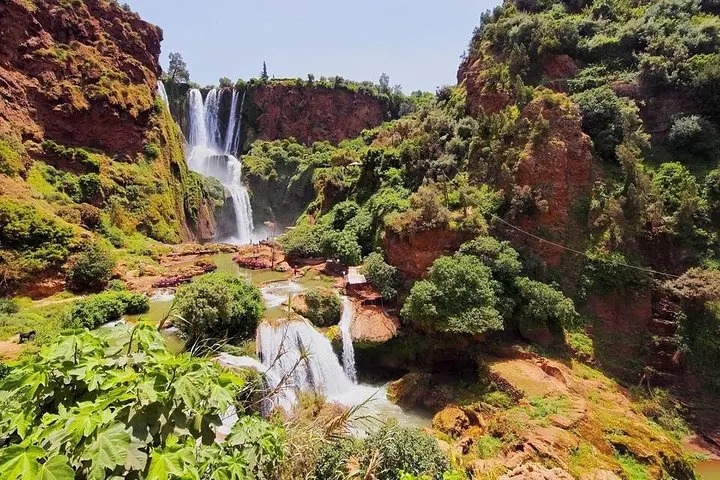
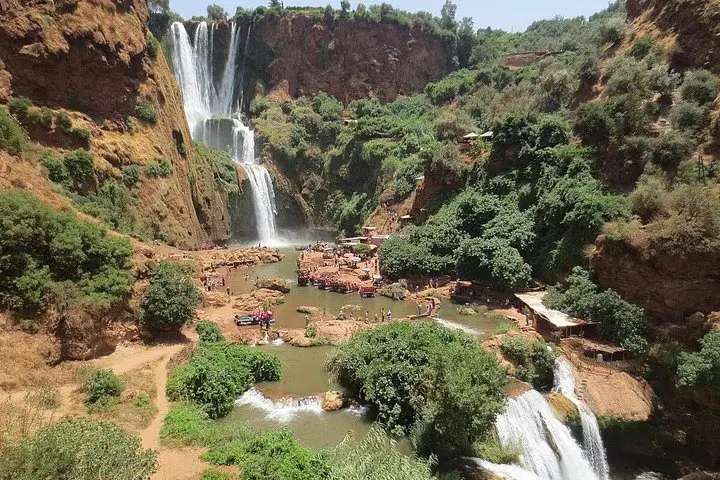
You leave Marrakech before sunrise and the minivan threads east through olive groves and low, rolling hills; by mid-morning the sound of water rising in the valley announces the falls long before you see them. The Ouzoud cascades tumble roughly 110 meters in segmented drops into a green gorge, sprays catching light and throwing frequent rainbows across the canyon.
Verified experiences and guided adventures in the surrounding area.
Operated by Around Marrakech Tours · Ouzoud, Azilal Province
You leave Marrakech before sunrise and the minivan threads east through olive groves and low, rolling hills; by mid-morning the sound of water rising in the valley announces the falls long before you see them. The Ouzoud cascades tumble roughly 110 meters in segmented drops into a green gorge, sprays catching light and throwing frequent rainbows across the canyon.
Geology here is uncomplicated and visible: erosion-carved sandstone and limestone ledges shaped by seasonal runoff, with terraces of olive trees clinging to gentler slopes. Human history sits close — Berber villages and small watermills have used these streams for centuries, and you’ll pass terraces and stone houses en route. Barbary macaques and a scattering of river birds are part of the scene; the animals are curious, not tame.
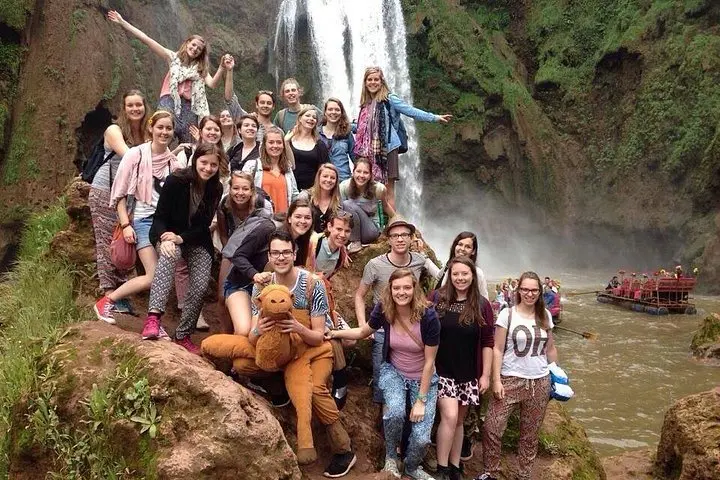
On-site the experience is practical and tactile: expect 2.5–3 hours driving each way from Marrakech and roughly 3–4 hours exploring. Trails form a loop with stone steps, uneven dirt, and short, steep sections — plan for 150–200 meters of ascent/descent depending on route. The optional boat ride takes you to the base of the lower fall in a small, local craft for a close-up splash of mist and thunder.
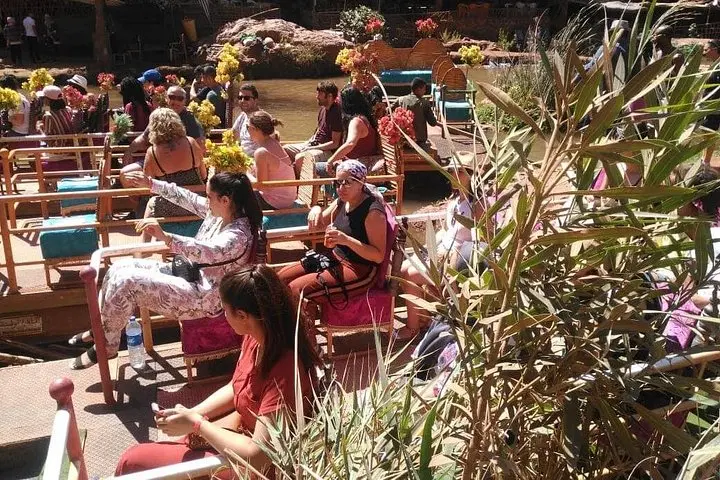
For planning: go early or late to dodge group crowds, bring at least 1–2 liters of water, wear grippy shoes for wet stairs, and keep cash for boat fees and riverside cafés. Respect wildlife (do not feed monkeys) and hire local guides to support the community and get the best viewpoints.
Expect roughly 2.5–3 hours each way depending on traffic; the full excursion is typically a 10-hour day including time at the falls.
Boat rides are usually optional and paid locally; operators run small boats to the base of the lower falls—wear non-slip shoes and follow the operator’s safety instructions.
Trails include many steps and uneven surfaces, so they’re not stroller-friendly; children can do the route with supervision, but expect some steep sections.
Interactions are discouraged — do not feed or touch them. Keep a safe distance and secure food and loose items to avoid bites or theft.
Around Marrakech Tours operates guided outdoor trips and adventures with an emphasis on safety, stewardship, and memorable experiences.
You leave Marrakech before sunrise and the minivan threads east through olive groves and low, rolling hills; by mid-morning the sound of water rising in the valley announces the falls long before you see them. The Ouzoud cascades tumble roughly 110 meters in segmented drops into a green gorge, sprays catching light and throwing frequent rainbows across the canyon.
You leave Marrakech before sunrise and the minivan threads east through olive groves and low, rolling hills; by mid-morning the sound of water rising in the valley announces the falls long before you see them. The Ouzoud cascades tumble roughly 110 meters in segmented drops into a green gorge, sprays catching light and throwing frequent rainbows across the canyon.
Geology here is uncomplicated and visible: erosion-carved sandstone and limestone ledges shaped by seasonal runoff, with terraces of olive trees clinging to gentler slopes. Human history sits close — Berber villages and small watermills have used these streams for centuries, and you’ll pass terraces and stone houses en route. Barbary macaques and a scattering of river birds are part of the scene; the animals are curious, not tame.
On-site the experience is practical and tactile: expect 2.5–3 hours driving each way from Marrakech and roughly 3–4 hours exploring. Trails form a loop with stone steps, uneven dirt, and short, steep sections — plan for 150–200 meters of ascent/descent depending on route. The optional boat ride takes you to the base of the lower fall in a small, local craft for a close-up splash of mist and thunder.
For planning: go early or late to dodge group crowds, bring at least 1–2 liters of water, wear grippy shoes for wet stairs, and keep cash for boat fees and riverside cafés. Respect wildlife (do not feed monkeys) and hire local guides to support the community and get the best viewpoints.