THE ADVENTURE COLLECTIVE® · Independent discovery and booking for outdoor travel

Make a long, rewarding day trip from Lima to Paracas and Huacachina: a morning wildlife cruise to the Ballestas Islands, a pisco and local-lunch stop in Ica, and afternoon dune buggies around Huacachina’s oasis. Practical notes on timing, wildlife viewing, and what to pack for the varied terrain.
Make a long, rewarding day trip from Lima to Paracas and Huacachina: a morning wildlife cruise to the Ballestas Islands, a pisco and local-lunch stop in Ica, and afternoon dune buggies around Huacachina’s oasis. Practical notes on timing, wildlife viewing, and what to pack for the varied terrain.
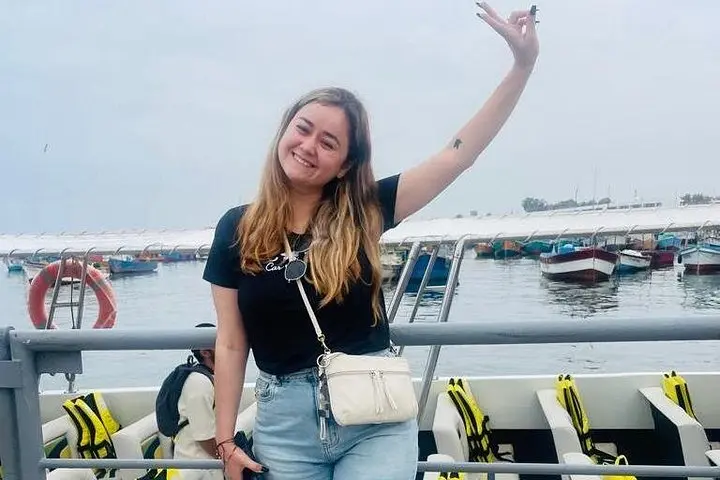
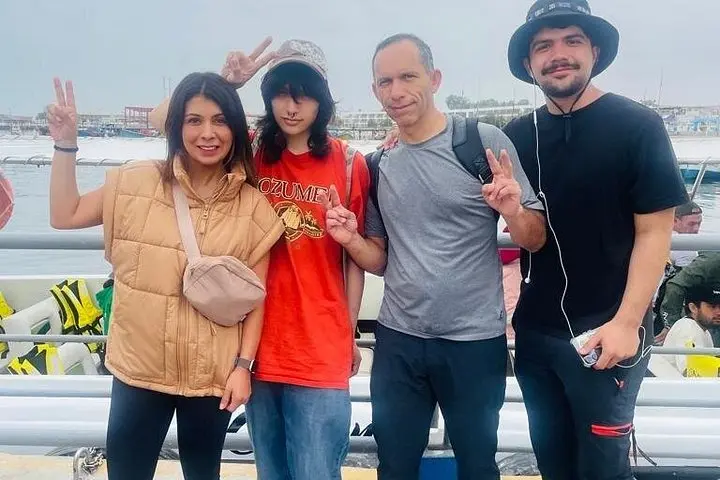
The morning light slides off the Pacific as a coach peels away from Lima and points south; salt wind pushes at the windows and the sea seems to hurry you toward the Ballestas Islands. On the water, colonies of sea lions bark like a busy harbor while the Humboldt Current, relentless and cold, pushes sardine-rich water toward the cliffs. The boat skirts sculpted rock arches and guano-streaked ledges where flighty Peruvian boobies and Humboldt penguins stake their small territories.
Verified experiences and guided adventures in the surrounding area.
Operated by Machupicchu soul · Paracas, Ica
The morning light slides off the Pacific as a coach peels away from Lima and points south; salt wind pushes at the windows and the sea seems to hurry you toward the Ballestas Islands. On the water, colonies of sea lions bark like a busy harbor while the Humboldt Current, relentless and cold, pushes sardine-rich water toward the cliffs. The boat skirts sculpted rock arches and guano-streaked ledges where flighty Peruvian boobies and Humboldt penguins stake their small territories.
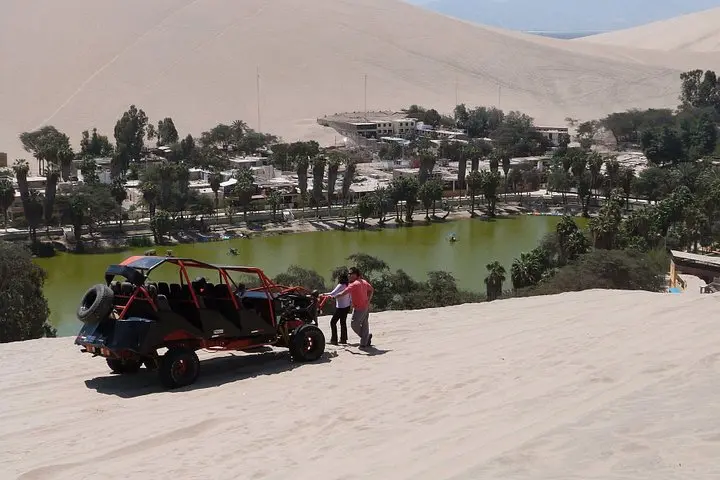
Inland, the land changes fast: wind-etched deserts and the small, green shock of Huacachina’s oasis make the contrast obvious. The Ica region carries layers of human history from the Paracas culture’s intensive textiles and irrigation feats to modern viticulture; the valley soils and coastal upwelling combine to produce concentrated grapes used for pisco and sweet wines. Geologically, the coast is shaped by tectonic uplift and sand moved by strong onshore winds—the dunes are active and alive, shifting after every storm.
Practically: expect a long day (early pickup from Lima) with a morning boat to Ballestas, a mid-day stop for local food and pisco tasting in Ica, and afternoon dune drives in Huacachina. Bring sun protection, motion-sickness remedies for the boat, closed shoes for buggy dunes, and a small amount of cash for snacks and tips. Respect wildlife viewing distances, follow guide instructions on the water and in the desert, and time your camera shots; golden-hour light picks out the best textures on the cliffs and the ripples on the dunes.
Round-trip from Lima typically requires an early morning pickup and returns the same evening; the operator lists the excursion as a full-day tour (approximately 12–16 hours depending on traffic and pickup points).
Yes—common sightings include sea lions, Humboldt penguins, and various seabirds; wildlife is viewed from the boat at regulated distances though sightings depend on season and sea conditions.
Dune rides are bumpy and involve sudden movements—operators usually advise against participation for pregnant travelers or people with spinal/heart issues; check age and safety rules for children with the operator.
The itinerary usually includes a stop for lunch and a pisco tasting; specific inclusions vary so confirm dietary needs and what's covered with the tour operator before booking.
Machupicchu soul operates guided outdoor trips and adventures with an emphasis on safety, stewardship, and memorable experiences.

The morning light slides off the Pacific as a coach peels away from Lima and points south; salt wind pushes at the windows and the sea seems to hurry you toward the Ballestas Islands. On the water, colonies of sea lions bark like a busy harbor while the Humboldt Current, relentless and cold, pushes sardine-rich water toward the cliffs. The boat skirts sculpted rock arches and guano-streaked ledges where flighty Peruvian boobies and Humboldt penguins stake their small territories.
The morning light slides off the Pacific as a coach peels away from Lima and points south; salt wind pushes at the windows and the sea seems to hurry you toward the Ballestas Islands. On the water, colonies of sea lions bark like a busy harbor while the Humboldt Current, relentless and cold, pushes sardine-rich water toward the cliffs. The boat skirts sculpted rock arches and guano-streaked ledges where flighty Peruvian boobies and Humboldt penguins stake their small territories.
Inland, the land changes fast: wind-etched deserts and the small, green shock of Huacachina’s oasis make the contrast obvious. The Ica region carries layers of human history from the Paracas culture’s intensive textiles and irrigation feats to modern viticulture; the valley soils and coastal upwelling combine to produce concentrated grapes used for pisco and sweet wines. Geologically, the coast is shaped by tectonic uplift and sand moved by strong onshore winds—the dunes are active and alive, shifting after every storm.
Practically: expect a long day (early pickup from Lima) with a morning boat to Ballestas, a mid-day stop for local food and pisco tasting in Ica, and afternoon dune drives in Huacachina. Bring sun protection, motion-sickness remedies for the boat, closed shoes for buggy dunes, and a small amount of cash for snacks and tips. Respect wildlife viewing distances, follow guide instructions on the water and in the desert, and time your camera shots; golden-hour light picks out the best textures on the cliffs and the ripples on the dunes.