THE ADVENTURE COLLECTIVE® · Independent discovery and booking for outdoor travel

Walk the Siq, stand before Al-Khazneh and trace centuries of Nabataean engineering on a full-day guided tour from Wadi Musa. This practical guide outlines what you’ll see, the terrain, and how to prepare for a long day among carved sandstone façades.
Walk the Siq, stand before Al-Khazneh and trace centuries of Nabataean engineering on a full-day guided tour from Wadi Musa. This practical guide outlines what you’ll see, the terrain, and how to prepare for a long day among carved sandstone façades.
You step into a narrow cleft where sandstone walls pinch the light to a slow burn; the Siq narrows and opens, and suddenly the Treasury stands like a carved promise cut from the mountain itself. Morning air in Wadi Musa carries dust, spice, and the low clatter of guides arranging horses and camels outside the gate.
Verified experiences and guided adventures in the surrounding area.
Operated by Al Rayan Tours · Wadi Musa, Ma'an Governorate
You step into a narrow cleft where sandstone walls pinch the light to a slow burn; the Siq narrows and opens, and suddenly the Treasury stands like a carved promise cut from the mountain itself. Morning air in Wadi Musa carries dust, spice, and the low clatter of guides arranging horses and camels outside the gate.
Petra rose as the Nabataean capital around the 1st century BC, prospering on frankincense and spice routes. Its façades are bedrock engineering: soft sandstone sculpted to grand tombs and colonnaded streets, later retrofitted by Romans who added arches and a theatre. Centuries of earthquakes and shifting trade routes emptied the city, leaving an archaeological record of elite burial architecture and desert urban planning.
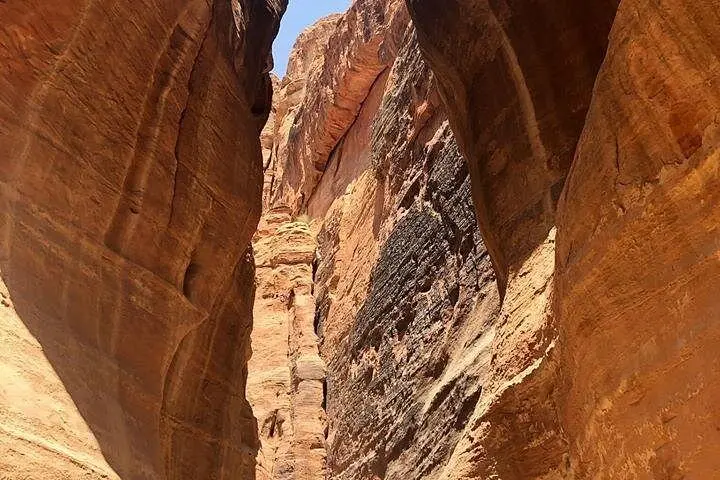
Geology here is part of the show — layered reds, creams and ochres reveal marine sediments uplifted and carved by flash floods. Local culture in Wadi Musa remains closely tied to tourism and Bedouin heritage; vendors sell handwoven wares and stories about the urn atop the Treasury.
On a practical note, this full-day tour covers the Siq, the Treasury, Royal Tombs, the Roman theatre and the High Place of Sacrifice with moderate walking over uneven stone and sand. Bring at least 2 liters of water, a sun hat and sturdy shoes; expect 10–12 hours including transfers. Start early to avoid heat and crowds, and budget time if you want the optional climb to viewpoints.
Respect posted routes, avoid touching carved reliefs, and consider hiring a licensed local guide inside Petra to deepen the historical context of what you’ll see.
Most private tours do not include the Petra entry ticket; confirm with your operator and purchase tickets separately at the visitor centre or online when available.
Some areas, like parts of the main entrance and lower site, are accessible, but the Siq and many tombs have narrow, uneven surfaces—mobility is limited in much of the site.
This private tour provides an English-speaking driver and transport; licensed local guides inside Petra are often available for hire to explain archaeological context if not included in the booking.
Spring and fall offer cooler temperatures and more comfortable walking; summer is very hot and winter can be chilly with occasional rain.
Al Rayan Tours operates guided outdoor trips and adventures with an emphasis on safety, stewardship, and memorable experiences.
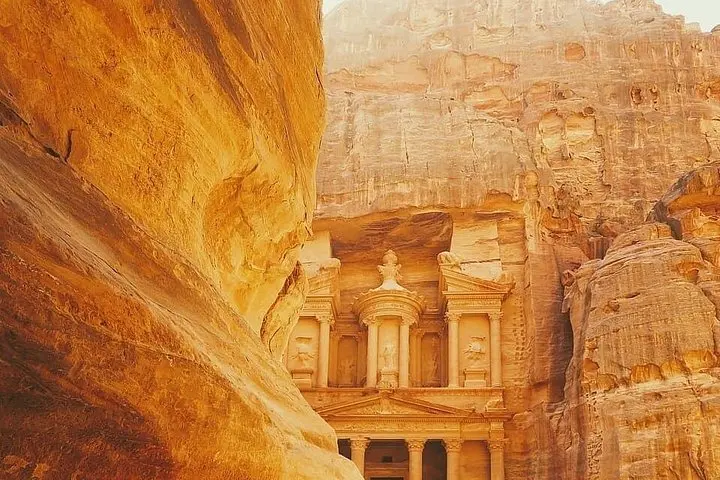
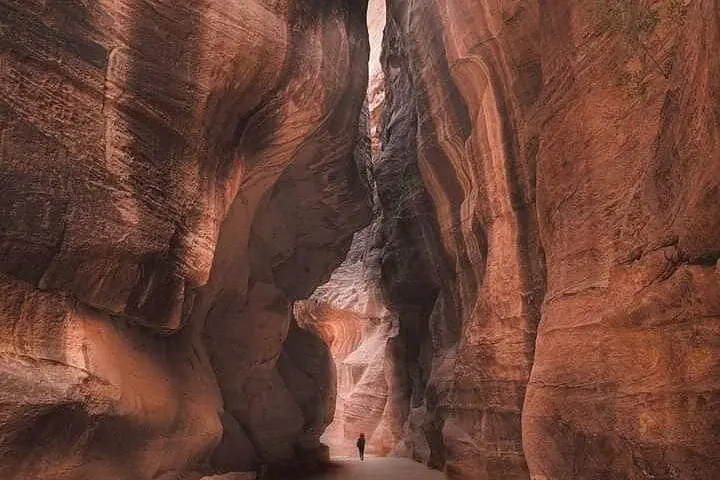
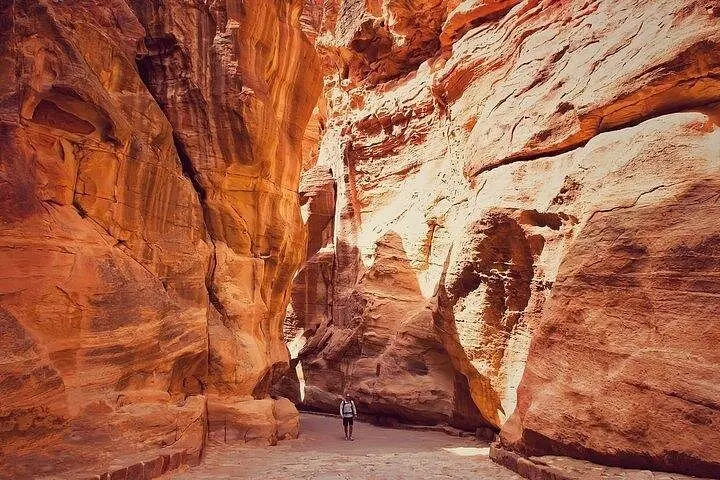
You step into a narrow cleft where sandstone walls pinch the light to a slow burn; the Siq narrows and opens, and suddenly the Treasury stands like a carved promise cut from the mountain itself. Morning air in Wadi Musa carries dust, spice, and the low clatter of guides arranging horses and camels outside the gate.
You step into a narrow cleft where sandstone walls pinch the light to a slow burn; the Siq narrows and opens, and suddenly the Treasury stands like a carved promise cut from the mountain itself. Morning air in Wadi Musa carries dust, spice, and the low clatter of guides arranging horses and camels outside the gate.
Petra rose as the Nabataean capital around the 1st century BC, prospering on frankincense and spice routes. Its façades are bedrock engineering: soft sandstone sculpted to grand tombs and colonnaded streets, later retrofitted by Romans who added arches and a theatre. Centuries of earthquakes and shifting trade routes emptied the city, leaving an archaeological record of elite burial architecture and desert urban planning.
Geology here is part of the show — layered reds, creams and ochres reveal marine sediments uplifted and carved by flash floods. Local culture in Wadi Musa remains closely tied to tourism and Bedouin heritage; vendors sell handwoven wares and stories about the urn atop the Treasury.
On a practical note, this full-day tour covers the Siq, the Treasury, Royal Tombs, the Roman theatre and the High Place of Sacrifice with moderate walking over uneven stone and sand. Bring at least 2 liters of water, a sun hat and sturdy shoes; expect 10–12 hours including transfers. Start early to avoid heat and crowds, and budget time if you want the optional climb to viewpoints.
Respect posted routes, avoid touching carved reliefs, and consider hiring a licensed local guide inside Petra to deepen the historical context of what you’ll see.