THE ADVENTURE COLLECTIVE® · Independent discovery and booking for outdoor travel

Spend a full day moving from the narrow Siq to the iconic Treasury and, if you choose, the elevated Monastery. This guided tour covers Petra’s main antiquities while offering door-to-door convenience from anywhere in Jordan.
Spend a full day moving from the narrow Siq to the iconic Treasury and, if you choose, the elevated Monastery. This guided tour covers Petra’s main antiquities while offering door-to-door convenience from anywhere in Jordan.
You step out of the air-conditioned vehicle and the desert air nudges you toward a seam in the sandstone — the Siq. The slot canyon narrows, its walls reddening with every turn until the Treasury appears, a carved façade suddenly filling the opening like a stage prop revealing an ancient city. The day that follows moves at Petra’s slow, deliberate pace: stone-paved avenues, columned façades, and cliff-cut tombs that reward attention to detail more than haste.
Verified experiences and guided adventures in the surrounding area.
Operated by tariq · Wadi Musa, Ma'an Governorate
You step out of the air-conditioned vehicle and the desert air nudges you toward a seam in the sandstone — the Siq. The slot canyon narrows, its walls reddening with every turn until the Treasury appears, a carved façade suddenly filling the opening like a stage prop revealing an ancient city. The day that follows moves at Petra’s slow, deliberate pace: stone-paved avenues, columned façades, and cliff-cut tombs that reward attention to detail more than haste.
Petra was the capital of the Nabataean kingdom from around the 4th century BCE, built where trade routes converged and where engineers channeled flash floods into cisterns and terraces. The geology is brief and brutal: layers of sandstone in hues of pink, ochre, and mauve, carved by wind and water into bands that make every approach feel like walking through strata of time.
Culturally the site still hums with Bedouin life — local guides and vendors, and the village of Wadi Musa at the gate where most visitors stay. Practicalities matter: expect rough, uneven surfaces, some steep stone steps if you climb to the Monastery, and long stretches with limited shade.
Plan for hydration and sun protection, begin early to avoid midday heat and crowds, and allow 6–8 hours to move deliberately through the main sights: the Siq, Treasury, Street of Facades, Royal Tombs, and an optional climb to the Monastery. Respect signage and fragile stonework — keeping to paths helps preserve both the archaeology and the views that keep drawing travelers here.
Most full-day private tours require you to purchase Petra site tickets separately; confirm at booking whether entrance fees are included.
The Siq itself is about 1.2 kilometers; from the Siq entrance through the main Petra circuit expect several kilometers of walking across the day.
Yes — the Monastery requires a steep climb of roughly 800 stone steps; allow extra time and be prepared for exertion.
Basic facilities and cafes are located near major sites and visitor centers, but selection is limited — bring snacks and plan restroom breaks in Wadi Musa if needed.
tariq operates guided outdoor trips and adventures with an emphasis on safety, stewardship, and memorable experiences.
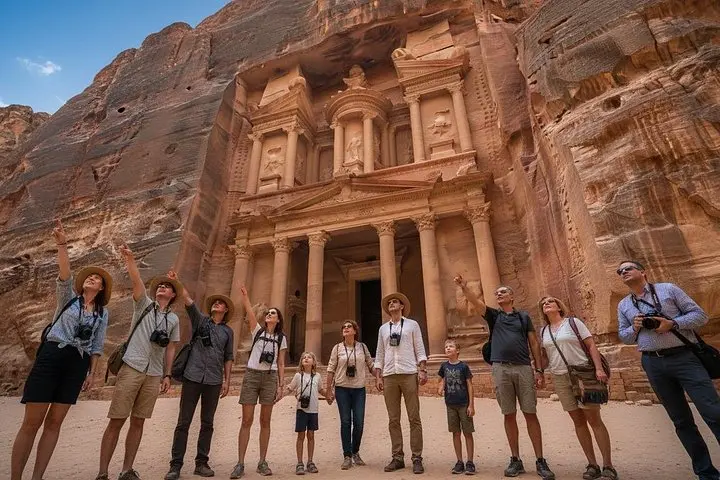
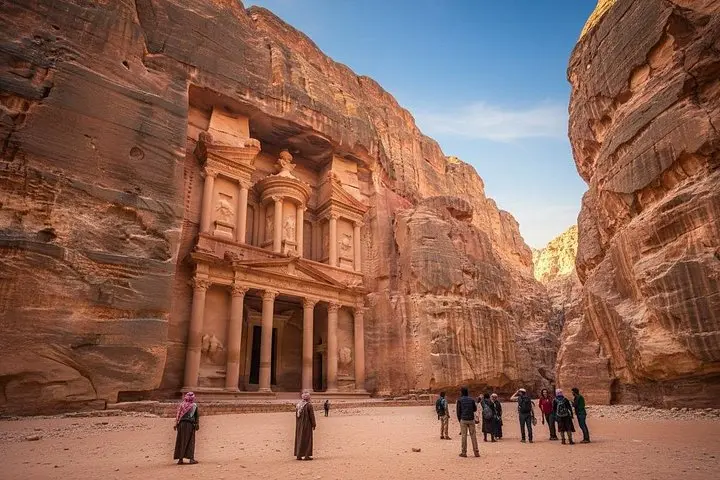
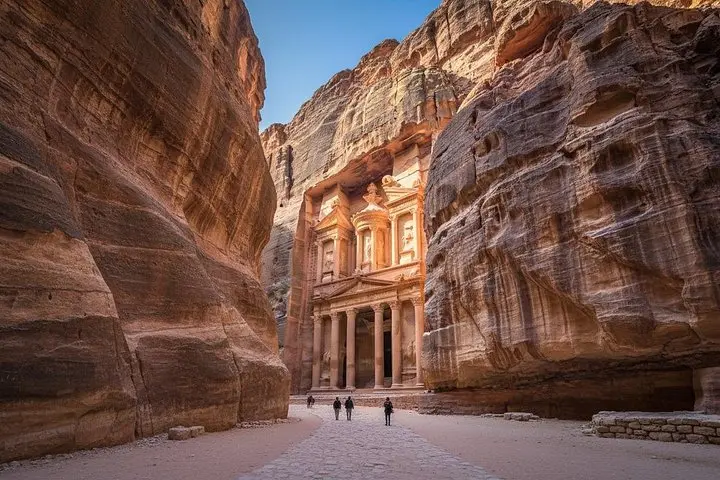
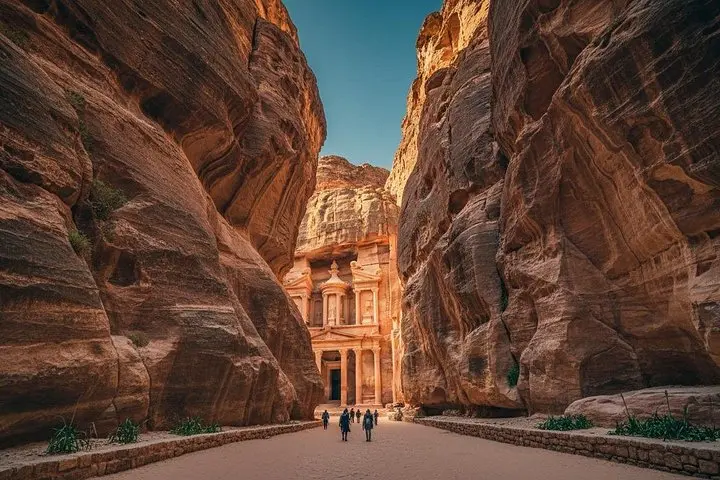
You step out of the air-conditioned vehicle and the desert air nudges you toward a seam in the sandstone — the Siq. The slot canyon narrows, its walls reddening with every turn until the Treasury appears, a carved façade suddenly filling the opening like a stage prop revealing an ancient city. The day that follows moves at Petra’s slow, deliberate pace: stone-paved avenues, columned façades, and cliff-cut tombs that reward attention to detail more than haste.
You step out of the air-conditioned vehicle and the desert air nudges you toward a seam in the sandstone — the Siq. The slot canyon narrows, its walls reddening with every turn until the Treasury appears, a carved façade suddenly filling the opening like a stage prop revealing an ancient city. The day that follows moves at Petra’s slow, deliberate pace: stone-paved avenues, columned façades, and cliff-cut tombs that reward attention to detail more than haste.
Petra was the capital of the Nabataean kingdom from around the 4th century BCE, built where trade routes converged and where engineers channeled flash floods into cisterns and terraces. The geology is brief and brutal: layers of sandstone in hues of pink, ochre, and mauve, carved by wind and water into bands that make every approach feel like walking through strata of time.
Culturally the site still hums with Bedouin life — local guides and vendors, and the village of Wadi Musa at the gate where most visitors stay. Practicalities matter: expect rough, uneven surfaces, some steep stone steps if you climb to the Monastery, and long stretches with limited shade.
Plan for hydration and sun protection, begin early to avoid midday heat and crowds, and allow 6–8 hours to move deliberately through the main sights: the Siq, Treasury, Street of Facades, Royal Tombs, and an optional climb to the Monastery. Respect signage and fragile stonework — keeping to paths helps preserve both the archaeology and the views that keep drawing travelers here.