THE ADVENTURE COLLECTIVE® · Independent discovery and booking for outdoor travel

Spend a full day scanning Pilanesberg National Park’s volcanic basins for the Big Five. This full‑day game drive combines geological curiosity, skilled guiding and prime wildlife viewing in a uniquely folded South African landscape.
Spend a full day scanning Pilanesberg National Park’s volcanic basins for the Big Five. This full‑day game drive combines geological curiosity, skilled guiding and prime wildlife viewing in a uniquely folded South African landscape.
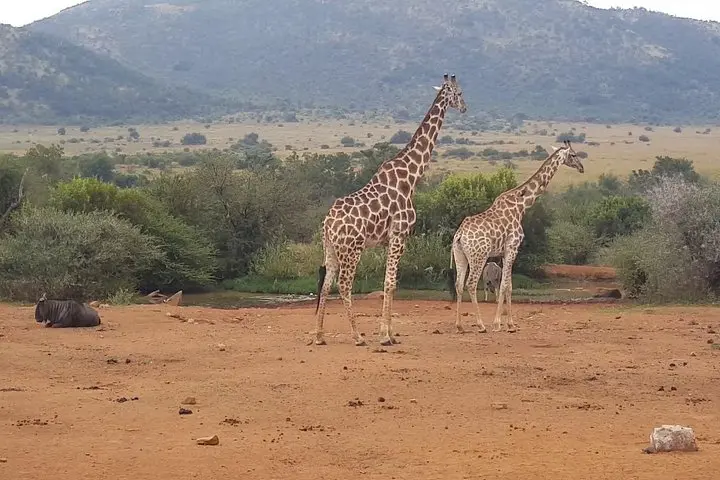
You climb into an open safari vehicle as the sun edges over a low rim — the grasslands below already steaming with morning heat. The Pilanesberg’s crater walls rise and fold around you, an ancient volcanic bowl that shapes where herds move and where predators wait. Wind pushes across the plains; birds wheel above, taking inventory of the day.
Verified experiences and guided adventures in the surrounding area.
Operated by Motleys Tours and Travel · Mogwase, North West Province
You climb into an open safari vehicle as the sun edges over a low rim — the grasslands below already steaming with morning heat. The Pilanesberg’s crater walls rise and fold around you, an ancient volcanic bowl that shapes where herds move and where predators wait. Wind pushes across the plains; birds wheel above, taking inventory of the day.
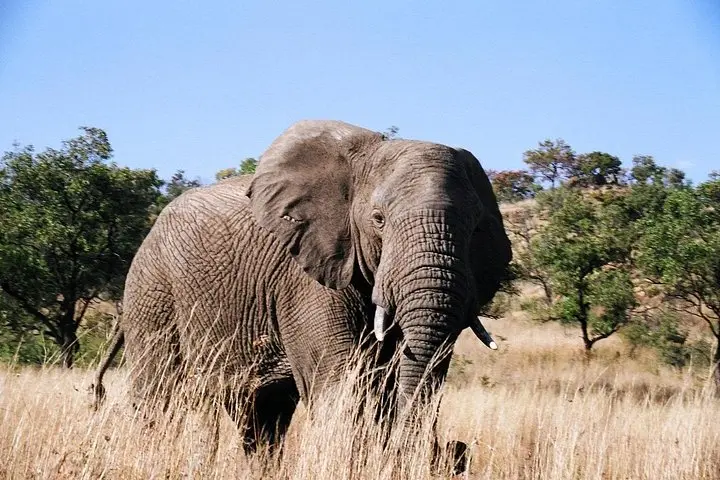
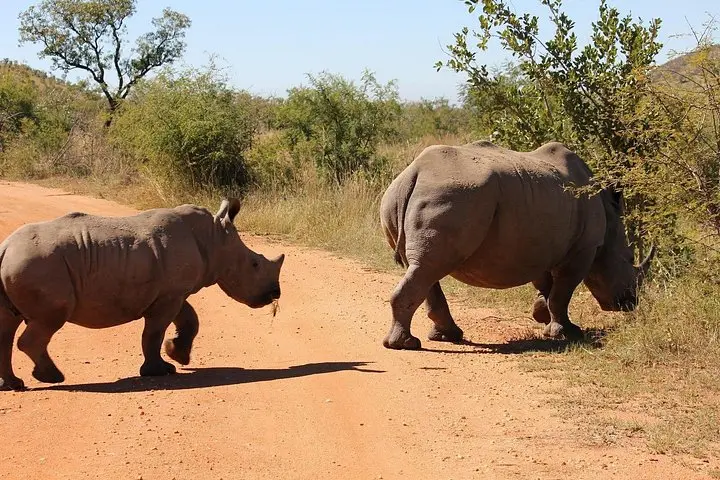
The park sits on a collapsed volcanic complex formed millions of years ago; its rocky koppies and rolling valleys contrast with the flat bushveld around Johannesburg. Tswana communities have long used this land for grazing and later supported reintroduction efforts that returned elephants, rhinos and cheetahs after mid‑20th century declines. Guides blend natural history, geology and local stories as they scan for movement — the human part of the circuit that keeps wildlife visible and safe.
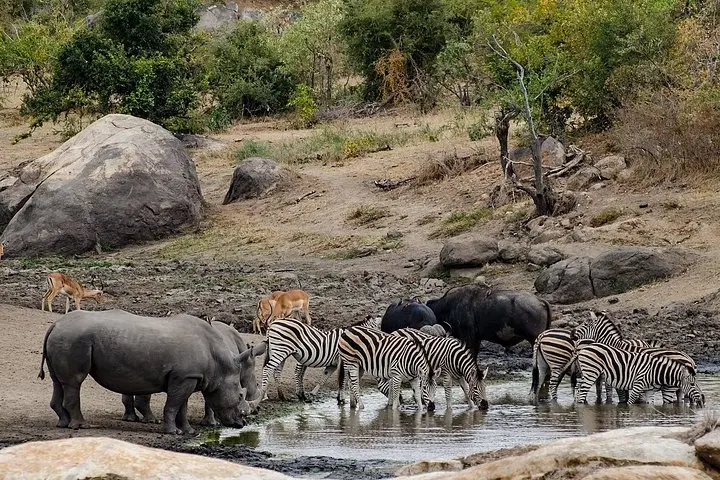
On a full‑day game drive you can expect long stretches of quiet observation punctuated by sudden activity: a breeding herd moving down to a waterhole, a lone lion lifting its head. Vehicles follow park roads and tracks, stopping at hides and dams; binoculars and a steady shutter are rewarded. Lunch is usually a roadside picnic or camp meal, and operators often provide transfers from nearby lodges.
Practical guide: book a winter (dry-season) game day for the best visibility; arrive with sun protection, layered clothing, insect repellent and extra batteries. Respect the guide’s instructions, keep voices low, and allow the landscape to set the pace — the crater’s slopes will reveal wildlife in their own time.
Pilanesberg hosts all Big Five species, and full‑day drives increase your chances, but sightings are never guaranteed—wildlife moves on its own schedule.
This is a full‑day experience (typically 6–12 hours including transfers), often including a guided game drive and lunch; confirm pickup details with your operator.
Many operators and parts of the park are accessible, but vehicle access to certain areas may be limited—notify the operator of requirements when booking.
The dry winter months (June–August) concentrate animals at water sources and improve visibility, while summer brings lush scenery and active birdlife but more vegetation and afternoon storms.
Motleys Tours and Travel operates guided outdoor trips and adventures with an emphasis on safety, stewardship, and memorable experiences.
You climb into an open safari vehicle as the sun edges over a low rim — the grasslands below already steaming with morning heat. The Pilanesberg’s crater walls rise and fold around you, an ancient volcanic bowl that shapes where herds move and where predators wait. Wind pushes across the plains; birds wheel above, taking inventory of the day.
You climb into an open safari vehicle as the sun edges over a low rim — the grasslands below already steaming with morning heat. The Pilanesberg’s crater walls rise and fold around you, an ancient volcanic bowl that shapes where herds move and where predators wait. Wind pushes across the plains; birds wheel above, taking inventory of the day.
The park sits on a collapsed volcanic complex formed millions of years ago; its rocky koppies and rolling valleys contrast with the flat bushveld around Johannesburg. Tswana communities have long used this land for grazing and later supported reintroduction efforts that returned elephants, rhinos and cheetahs after mid‑20th century declines. Guides blend natural history, geology and local stories as they scan for movement — the human part of the circuit that keeps wildlife visible and safe.
On a full‑day game drive you can expect long stretches of quiet observation punctuated by sudden activity: a breeding herd moving down to a waterhole, a lone lion lifting its head. Vehicles follow park roads and tracks, stopping at hides and dams; binoculars and a steady shutter are rewarded. Lunch is usually a roadside picnic or camp meal, and operators often provide transfers from nearby lodges.
Practical guide: book a winter (dry-season) game day for the best visibility; arrive with sun protection, layered clothing, insect repellent and extra batteries. Respect the guide’s instructions, keep voices low, and allow the landscape to set the pace — the crater’s slopes will reveal wildlife in their own time.