THE ADVENTURE COLLECTIVE® · Independent discovery and booking for outdoor travel

A full-day guided excursion from Zagreb that covers the park’s Upper and Lower Lakes, a scenic boat and tram ride, and the thunderous Veliki Slap. Learn the geology and local stories while walking roughly 4–5 km on wooden boardwalks and gravel paths.
A full-day guided excursion from Zagreb that covers the park’s Upper and Lower Lakes, a scenic boat and tram ride, and the thunderous Veliki Slap. Learn the geology and local stories while walking roughly 4–5 km on wooden boardwalks and gravel paths.
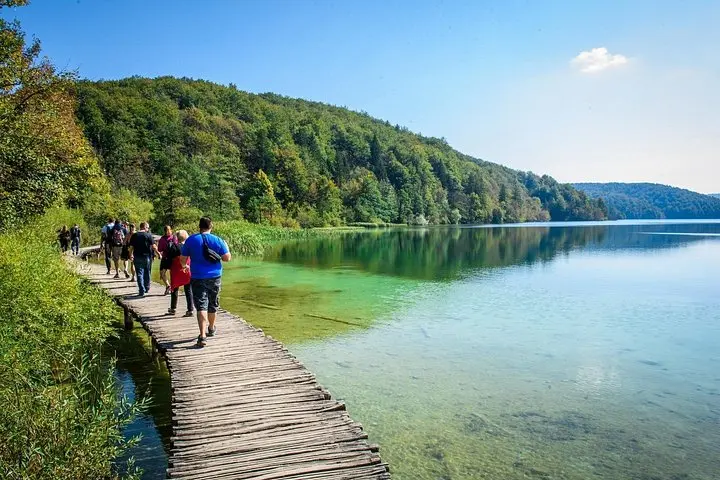
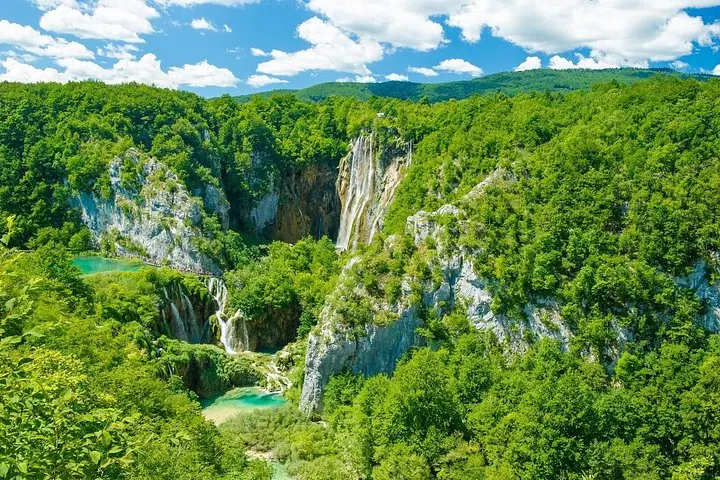
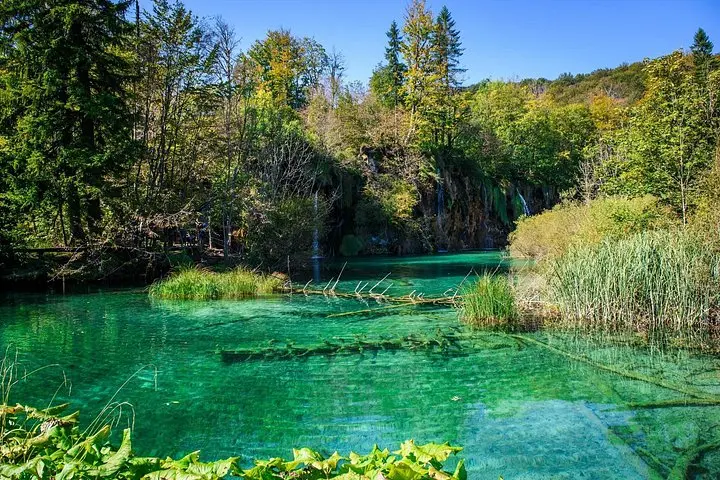
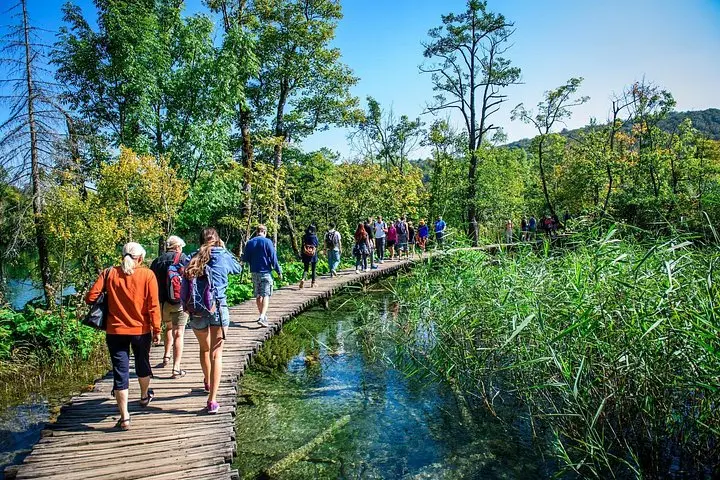
You step off the coach into a hush that feels almost engineered—only water breaks the silence, at first a whisper, then a chorus. The wooden planks underfoot flex and creak as the trail hugs turquoise pools that refuse to sit still; they mirror the beech and fir above, then ripple and fracture into sheets of foam where water finds its edge. On this full-day outing from Zagreb, the park moves around you: a tram hums past, a small electric boat slides across Kozjak Lake, and fountains of spray from Veliki Slap throw a cool mist that dares you to lean in.
Verified experiences and guided adventures in the surrounding area.
Operated by Tours in Croatia · Plitvička Jezera, Lika-Senj County
You step off the coach into a hush that feels almost engineered—only water breaks the silence, at first a whisper, then a chorus. The wooden planks underfoot flex and creak as the trail hugs turquoise pools that refuse to sit still; they mirror the beech and fir above, then ripple and fracture into sheets of foam where water finds its edge. On this full-day outing from Zagreb, the park moves around you: a tram hums past, a small electric boat slides across Kozjak Lake, and fountains of spray from Veliki Slap throw a cool mist that dares you to lean in.
Plitvice Lakes National Park is one of Europe's most literal displays of geological work—karst limestone, travertine dams and the slow, relentless chemistry of calcium carbonate building staircases for water to fall over. The area has been protected since 1949 and was inscribed on UNESCO’s World Heritage list in 1979 for both its natural beauty and its rare geomorphology.
Culturally the park sits in Lika, a highland region shaped by shepherding, forestry and wartime history; small restaurants outside the park still offer hearty meat stews and freshly baked bread that feel like a local handshake after the cool air of the trails. The guides on the tour bring this context into the walk—pointing out old mill foundations, explaining the tram and boat logistics, and tracing how people have used these waters for centuries without destroying them.
Expect roughly 4–5 km of walking on uneven wooden boardwalks and gravel paths while the full day from Zagreb runs about 11 hours door-to-door with driving time. The route typically covers Gornja Jezera (Upper Lakes), Donja Jezera (Lower Lakes) and the park’s highlight, Veliki Slap (78 m). Elevation changes are modest but there are stair sections near viewpoints.
Practical guide: wear closed, grippy shoes and a waterproof layer—weather in the karst can shift from sun to drizzle quickly. Bring water and a light pack; restrooms and a simple cafe are available but cash can be useful for an optional lunch in a local konoba. If you want fewer people in your photos, request an early departure or choose a weekday outside peak summer months. Respect fenced areas and stay on boardwalks—tufa formations are fragile and recover slowly. For photographers, long exposures of cascades and reflections on Kozjak make the trip memorable.
This is an accessible, immersive day that balances easy walking with spectacular viewpoints; it’s ideal for travelers who want a full, story-rich encounter with one of Europe’s standout national parks without the logistics of self-driving and planning.
The full-day excursion is about 11 hours door-to-door including driving; expect 4–5 hours inside the park exploring trails, the boat ride and train.
Admission is typically not included in some packages—confirm on booking; the tour description notes admission is NO for some itineraries.
Sections of the park have boardwalks but much terrain is uneven and there are stairs; the tour notes it is not recommended for guests with walking disabilities.
Lunch is optional—your guide can recommend a local konoba but plan to pay separately for food and drinks.
No—swimming is prohibited year-round to protect delicate tufa formations and water quality.
Closed comfortable shoes, sportswear and a warm sweater or jacket after summer; bring a raincoat or umbrella due to unpredictable weather.
Tours in Croatia operates guided outdoor trips and adventures with an emphasis on safety, stewardship, and memorable experiences.
You step off the coach into a hush that feels almost engineered—only water breaks the silence, at first a whisper, then a chorus. The wooden planks underfoot flex and creak as the trail hugs turquoise pools that refuse to sit still; they mirror the beech and fir above, then ripple and fracture into sheets of foam where water finds its edge. On this full-day outing from Zagreb, the park moves around you: a tram hums past, a small electric boat slides across Kozjak Lake, and fountains of spray from Veliki Slap throw a cool mist that dares you to lean in.
You step off the coach into a hush that feels almost engineered—only water breaks the silence, at first a whisper, then a chorus. The wooden planks underfoot flex and creak as the trail hugs turquoise pools that refuse to sit still; they mirror the beech and fir above, then ripple and fracture into sheets of foam where water finds its edge. On this full-day outing from Zagreb, the park moves around you: a tram hums past, a small electric boat slides across Kozjak Lake, and fountains of spray from Veliki Slap throw a cool mist that dares you to lean in.
Plitvice Lakes National Park is one of Europe's most literal displays of geological work—karst limestone, travertine dams and the slow, relentless chemistry of calcium carbonate building staircases for water to fall over. The area has been protected since 1949 and was inscribed on UNESCO’s World Heritage list in 1979 for both its natural beauty and its rare geomorphology.
Culturally the park sits in Lika, a highland region shaped by shepherding, forestry and wartime history; small restaurants outside the park still offer hearty meat stews and freshly baked bread that feel like a local handshake after the cool air of the trails. The guides on the tour bring this context into the walk—pointing out old mill foundations, explaining the tram and boat logistics, and tracing how people have used these waters for centuries without destroying them.
Expect roughly 4–5 km of walking on uneven wooden boardwalks and gravel paths while the full day from Zagreb runs about 11 hours door-to-door with driving time. The route typically covers Gornja Jezera (Upper Lakes), Donja Jezera (Lower Lakes) and the park’s highlight, Veliki Slap (78 m). Elevation changes are modest but there are stair sections near viewpoints.
Practical guide: wear closed, grippy shoes and a waterproof layer—weather in the karst can shift from sun to drizzle quickly. Bring water and a light pack; restrooms and a simple cafe are available but cash can be useful for an optional lunch in a local konoba. If you want fewer people in your photos, request an early departure or choose a weekday outside peak summer months. Respect fenced areas and stay on boardwalks—tufa formations are fragile and recover slowly. For photographers, long exposures of cascades and reflections on Kozjak make the trip memorable.
This is an accessible, immersive day that balances easy walking with spectacular viewpoints; it’s ideal for travelers who want a full, story-rich encounter with one of Europe’s standout national parks without the logistics of self-driving and planning.