THE ADVENTURE COLLECTIVE® · Independent discovery and booking for outdoor travel

Spend a day walking boardwalks and riding a panoramic boat through Plitvice Lakes National Park, a UNESCO site where waterfalls carve bright terraces from limestone. This small-group tour pairs skip-the-line access with local stories, scenic viewpoints, and manageable walking on the lower and upper lakes.
Spend a day walking boardwalks and riding a panoramic boat through Plitvice Lakes National Park, a UNESCO site where waterfalls carve bright terraces from limestone. This small-group tour pairs skip-the-line access with local stories, scenic viewpoints, and manageable walking on the lower and upper lakes.
The day begins before most tour buses arrive: a cool mist hangs over the lower lakes and the Big Waterfall roars like a distant drum. On a narrow boardwalk the guide pauses, points to a swirl of aquamarine where karst springs feed terraces of travertine, and for a moment the crowd moves as one—photographing, listening, stepping carefully where water dares to push its way across the path.
Verified experiences and guided adventures in the surrounding area.
Operated by Degenija obrt za ugostiteljstvo i turisticka agencija · Plitvička Jezera, Lika-Senj County
The day begins before most tour buses arrive: a cool mist hangs over the lower lakes and the Big Waterfall roars like a distant drum. On a narrow boardwalk the guide pauses, points to a swirl of aquamarine where karst springs feed terraces of travertine, and for a moment the crowd moves as one—photographing, listening, stepping carefully where water dares to push its way across the path.
Plitvice isn't a single place so much as a series of conversations between rock, water, and forest. The lakes sit on an ancient limestone plateau; over millennia mineral-laden water has created porous barriers that trap pools and create the waterfalls that give the park its name. The site has been protected since Croatia's early conservation efforts and was inscribed as a UNESCO World Heritage Site in 1979 for its outstanding cascading lakes and biodiversity.
Culturally, the area carries stories as well as geology. Local folklore spills from the villages—tales like that of the Black Queen—while the rural Lika region retains a deliberate, unhurried pace. Small farms and shepherding traditions still shape life around the park's edges; inside the park, however, human impact is carefully managed to keep nature the lead actor.
This full-day, small-group tour stitches the highlights into a practical route: skip-the-line access at Entrance 1, an easy downhill walk to the Great Waterfall, a panoramic boat ride across Lake Kozjak, then a loop through the upper lakes and their smaller cascades. Expect roughly 4–6 kilometers of walking on boardwalks and stone steps, with some uneven surfaces and short stair sections—nothing alpine, but enough to demand sensible footwear and steady footing.
For planning: start early to avoid crowds and afternoon haze. Bring layered rain protection—the weather can change quickly in karst country—and a refillable water bottle; there are refreshment points near the main entrances but not out on every trail. The tour includes hotel pickup and an electric train segment, which conserves energy and shortens walking time, but the best views still require getting out of the vehicle and onto the paths.
Photographers will favor the soft light of morning or late afternoon when the colors of the lakes deepen; wildlife watchers should scan forest edges for deer or owls at dusk. Respect the walkways and fencing—traveler foot traffic is the biggest threat to the fragile travertine formations. Follow your guide’s route, move deliberately on wet boards, and leave the park as undisturbed as you found it: the lakes will keep their stories if we keep ours small.
Expect about 4–6 km on foot with some stairs and uneven boardwalks; the tour includes boat and electric train segments to shorten walking time.
Yes—this tour includes skip-the-line entrance (admission included for the upper lakes segment as described in the itinerary).
Small groups of up to 12 are suitable for children and active seniors, but participants should be able to manage stairs and modest walking distances.
The tour operates in light rain; sturdy footwear and rain gear are recommended—there is no refund for weather-related cancellations per the policy.
Restrooms and cafes are available near main entrances and the Park’s central hubs; options are limited on the trails themselves.
Hotel pickup is offered from several nearby hotels; you'll select your pickup point when booking or confirm with the operator if using a private address.
Degenija obrt za ugostiteljstvo i turisticka agencija operates guided outdoor trips and adventures with an emphasis on safety, stewardship, and memorable experiences.
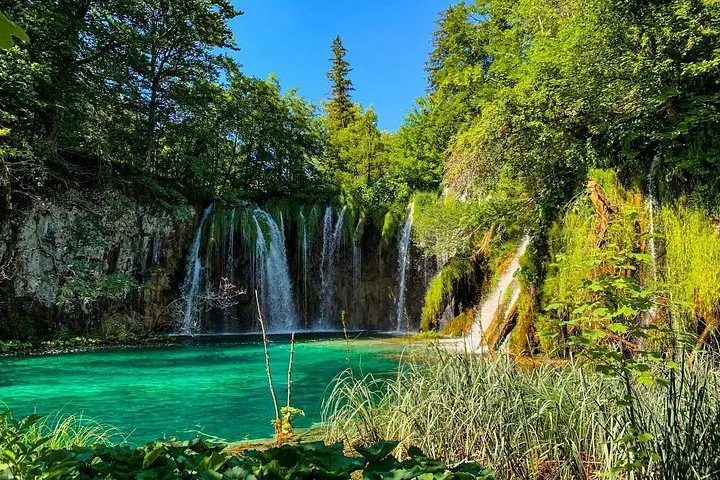
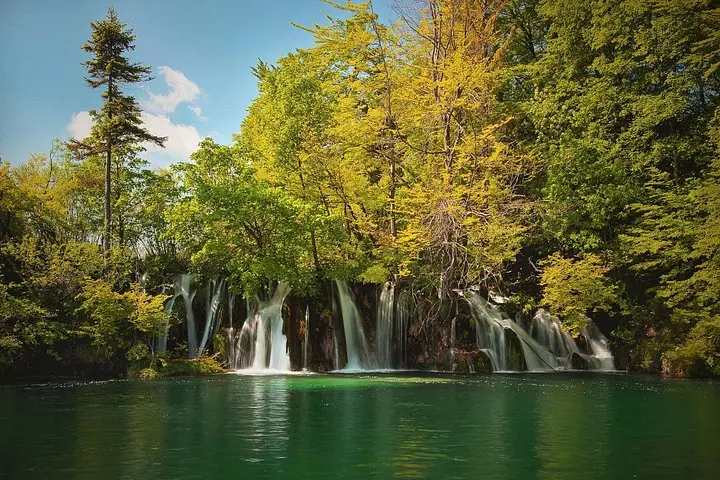
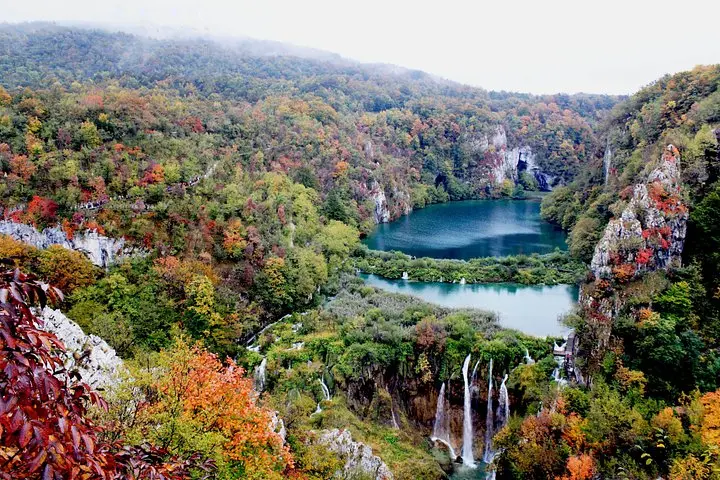
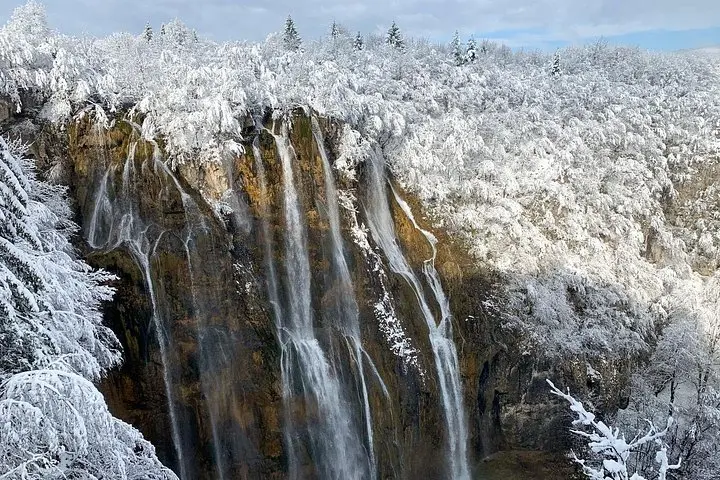
The day begins before most tour buses arrive: a cool mist hangs over the lower lakes and the Big Waterfall roars like a distant drum. On a narrow boardwalk the guide pauses, points to a swirl of aquamarine where karst springs feed terraces of travertine, and for a moment the crowd moves as one—photographing, listening, stepping carefully where water dares to push its way across the path.
The day begins before most tour buses arrive: a cool mist hangs over the lower lakes and the Big Waterfall roars like a distant drum. On a narrow boardwalk the guide pauses, points to a swirl of aquamarine where karst springs feed terraces of travertine, and for a moment the crowd moves as one—photographing, listening, stepping carefully where water dares to push its way across the path.
Plitvice isn't a single place so much as a series of conversations between rock, water, and forest. The lakes sit on an ancient limestone plateau; over millennia mineral-laden water has created porous barriers that trap pools and create the waterfalls that give the park its name. The site has been protected since Croatia's early conservation efforts and was inscribed as a UNESCO World Heritage Site in 1979 for its outstanding cascading lakes and biodiversity.
Culturally, the area carries stories as well as geology. Local folklore spills from the villages—tales like that of the Black Queen—while the rural Lika region retains a deliberate, unhurried pace. Small farms and shepherding traditions still shape life around the park's edges; inside the park, however, human impact is carefully managed to keep nature the lead actor.
This full-day, small-group tour stitches the highlights into a practical route: skip-the-line access at Entrance 1, an easy downhill walk to the Great Waterfall, a panoramic boat ride across Lake Kozjak, then a loop through the upper lakes and their smaller cascades. Expect roughly 4–6 kilometers of walking on boardwalks and stone steps, with some uneven surfaces and short stair sections—nothing alpine, but enough to demand sensible footwear and steady footing.
For planning: start early to avoid crowds and afternoon haze. Bring layered rain protection—the weather can change quickly in karst country—and a refillable water bottle; there are refreshment points near the main entrances but not out on every trail. The tour includes hotel pickup and an electric train segment, which conserves energy and shortens walking time, but the best views still require getting out of the vehicle and onto the paths.
Photographers will favor the soft light of morning or late afternoon when the colors of the lakes deepen; wildlife watchers should scan forest edges for deer or owls at dusk. Respect the walkways and fencing—traveler foot traffic is the biggest threat to the fragile travertine formations. Follow your guide’s route, move deliberately on wet boards, and leave the park as undisturbed as you found it: the lakes will keep their stories if we keep ours small.