
Full-Day Pokhara Highlights Tour: Sarangkot Sunrise, Phewa Lake & Cultural Sights
See Pokhara’s sunrise at Sarangkot, glide across Phewa Lake, and explore caves, temples, and the International Mountain Museum in one thoughtfully paced day. This guided loop mixes panoramic mountain views with cultural and geological highlights.
An Adventure In Pokhara.
See Pokhara’s sunrise at Sarangkot, glide across Phewa Lake, and explore caves, temples, and the International Mountain Museum in one thoughtfully paced day. This guided loop mixes panoramic mountain views with cultural and geological highlights.
Read the full experience
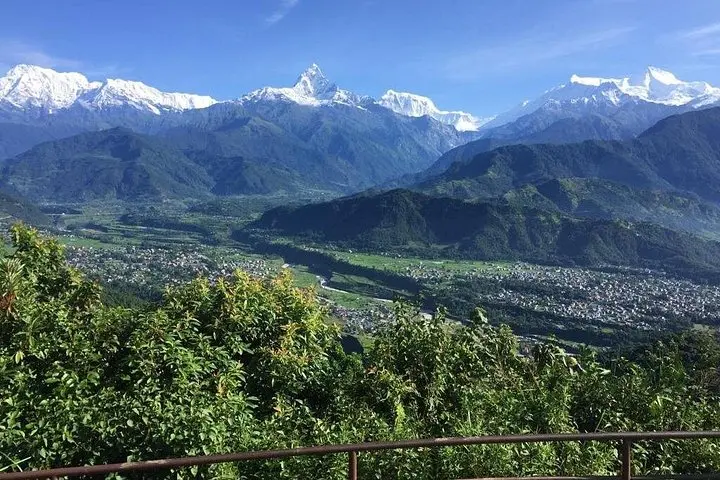
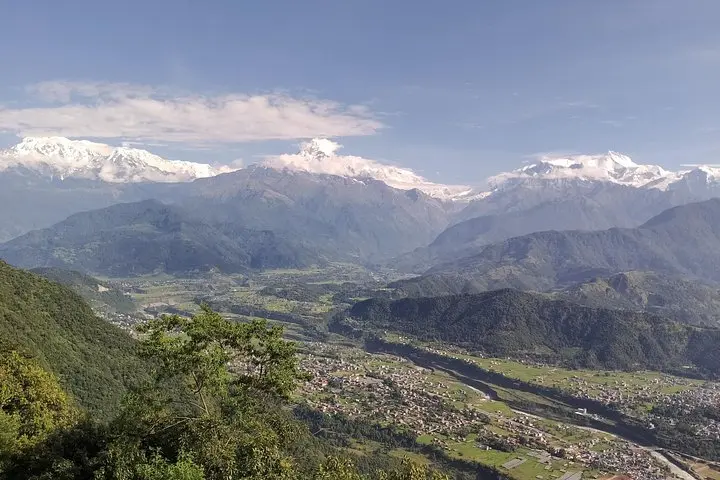
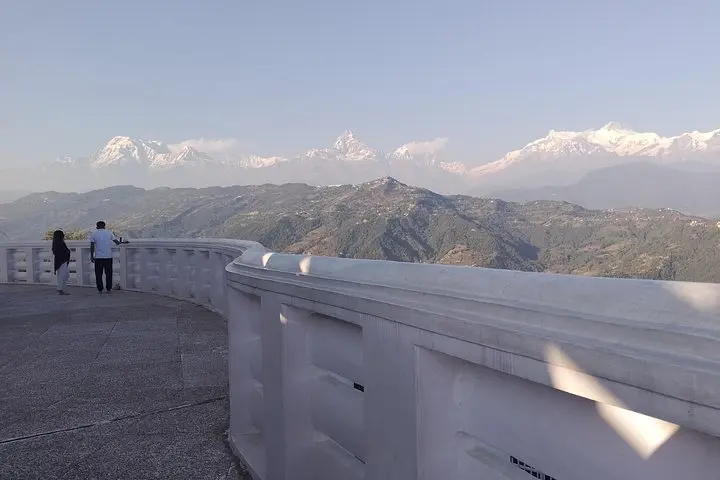
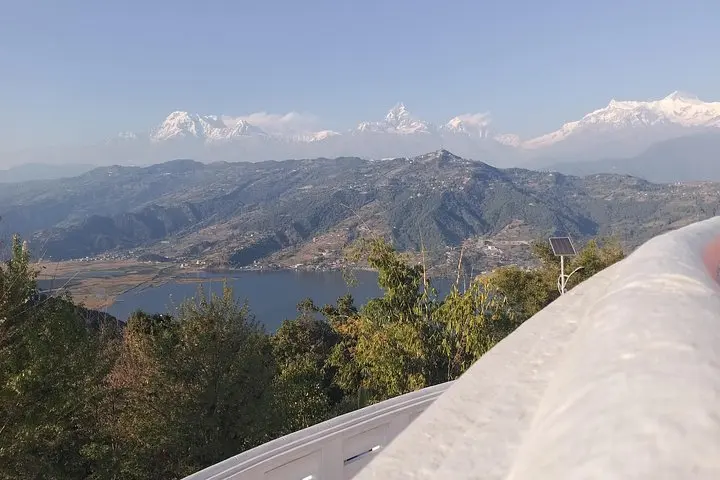
You start before dawn, the road climbing out of Pokhara as the city lights dim and the Annapurna range hushes into silhouette. At Sarangkot the air is thin and crisp; the ridge pushes the valley light forward and the mountains respond in slow, changing color. Later, the lake spreads like a sheet of glass and small boats cut bright lines toward the temple island.
You start before dawn, the road climbing out of Pokhara as the city lights dim and the Annapurna range hushes into silhouette. At Sarangkot the air is thin and crisp; the ridge pushes the valley light forward and the mountains respond in slow, changing color. Later, the lake spreads like a sheet of glass and small boats cut bright lines toward the temple island.
Pokhara sits on historic trade routes between India and Tibet and grew as a mercantile and trekking gateway. The valley is a young, tectonic bowl carved by rivers and cradled beneath the Annapurna massif; you’ll see this in the steep terraces, cold springs, and limestone caves. Bindhyabasini Temple and the World Peace Stupa reflect local Hindu and Buddhist practice—places where pilgrims and porters alike pause. Devi’s Fall and Gupteshwor Cave show the landscape’s restless geology: surface water collapsing into underground channels.
Practical guidance: expect an 8-hour day with a mix of short walks, stairs in the cave (moderate elevation change if you walk up to Sarangkot: ~760 m from lakeside), and mostly paved or compacted paths. Wear comfortable walking shoes, bring sun protection and a reusable water bottle—the guide typically provides bottled water. Photography is best at sunrise and late afternoon when slopes throw long shadows. If you’re sensitive to crowds, plan Sarangkot at the very first light and explore quieter alleys in the old bazaar after lunch. The tour balances scenic viewpoints, cultural stops, and light natural history—ideal for travelers who want a full-picture introduction to Pokhara without an overnight trek.
Frequently asked questions
Yes—hotel pick up and drop off are included within the Lakeside area; confirm your exact pickup point when booking.
Some stops require entry fees that are typically not included; check the tour details or bring local currency for admissions.
The itinerary is suitable for most ages, but stairs and uneven ground at caves and waterfalls can be challenging; not recommended for those with serious spinal or heart conditions.
The listed tour includes an English-speaking guide; request other languages in advance if needed.
About This Experience
CAN Travels operates guided outdoor trips and adventures with an emphasis on safety, stewardship, and memorable experiences.
Adventure tips
Recommended gear
- Sturdy walking shoes: Provides traction on wet rocks near waterfalls and support for staircases in caves.
- Light layers: Morning temperatures at Sarangkot are chilly; add or remove layers as the day warms.
- Sun protection (hat & sunscreen): Sun is strong on exposed viewpoints and while boating on Phewa Lake.
- Reusable water bottle: Reduces plastic waste and keeps you hydrated during the full-day itinerary.
Photos of the experience
Related adventures & guides
Read the full experience
You start before dawn, the road climbing out of Pokhara as the city lights dim and the Annapurna range hushes into silhouette. At Sarangkot the air is thin and crisp; the ridge pushes the valley light forward and the mountains respond in slow, changing color. Later, the lake spreads like a sheet of glass and small boats cut bright lines toward the temple island.
You start before dawn, the road climbing out of Pokhara as the city lights dim and the Annapurna range hushes into silhouette. At Sarangkot the air is thin and crisp; the ridge pushes the valley light forward and the mountains respond in slow, changing color. Later, the lake spreads like a sheet of glass and small boats cut bright lines toward the temple island.
Pokhara sits on historic trade routes between India and Tibet and grew as a mercantile and trekking gateway. The valley is a young, tectonic bowl carved by rivers and cradled beneath the Annapurna massif; you’ll see this in the steep terraces, cold springs, and limestone caves. Bindhyabasini Temple and the World Peace Stupa reflect local Hindu and Buddhist practice—places where pilgrims and porters alike pause. Devi’s Fall and Gupteshwor Cave show the landscape’s restless geology: surface water collapsing into underground channels.
Practical guidance: expect an 8-hour day with a mix of short walks, stairs in the cave (moderate elevation change if you walk up to Sarangkot: ~760 m from lakeside), and mostly paved or compacted paths. Wear comfortable walking shoes, bring sun protection and a reusable water bottle—the guide typically provides bottled water. Photography is best at sunrise and late afternoon when slopes throw long shadows. If you’re sensitive to crowds, plan Sarangkot at the very first light and explore quieter alleys in the old bazaar after lunch. The tour balances scenic viewpoints, cultural stops, and light natural history—ideal for travelers who want a full-picture introduction to Pokhara without an overnight trek.
Make a day of it nearby.
Verified experiences and guided adventures in the surrounding area.