THE ADVENTURE COLLECTIVE® · Independent discovery and booking for outdoor travel

A long day that rewards early starts: visit Preah Vihear’s cliff-top sanctuary, climb Koh Ker’s temple-mountain, and explore the jungle-engulfed courtyards of Beng Mealea. Expect archaeological grandeur, uneven terrain, and a lot of Cambodian history.
A long day that rewards early starts: visit Preah Vihear’s cliff-top sanctuary, climb Koh Ker’s temple-mountain, and explore the jungle-engulfed courtyards of Beng Mealea. Expect archaeological grandeur, uneven terrain, and a lot of Cambodian history.
You leave Siem Reap before dawn and the highway slips under the tyres as the sky lightens—rice paddies and low forest blur past, and by midmorning you’re standing at the foot of stone that has kept watch for a thousand years.
Verified experiences and guided adventures in the surrounding area.
Operated by Bayon Temple Tour · Siem Reap, Siem Reap Province
You leave Siem Reap before dawn and the highway slips under the tyres as the sky lightens—rice paddies and low forest blur past, and by midmorning you’re standing at the foot of stone that has kept watch for a thousand years.
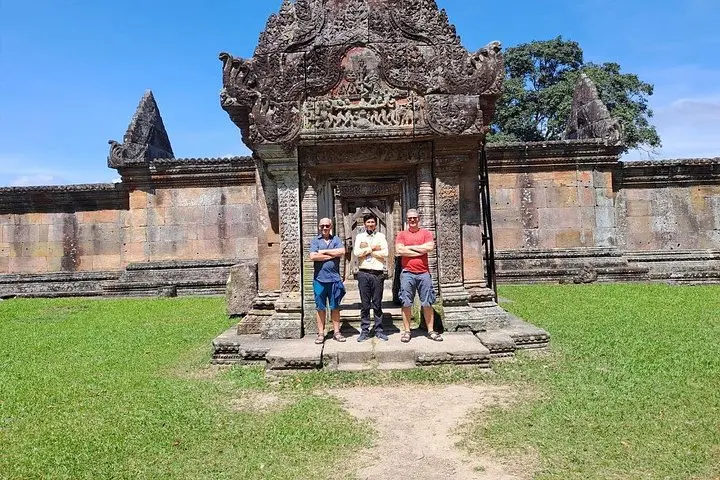
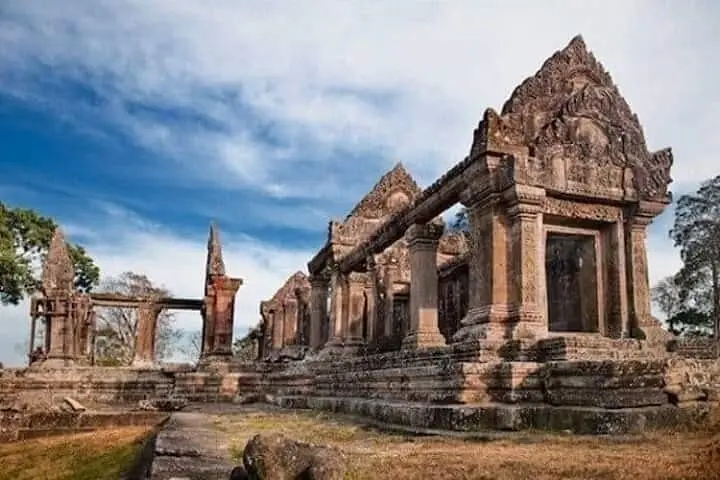
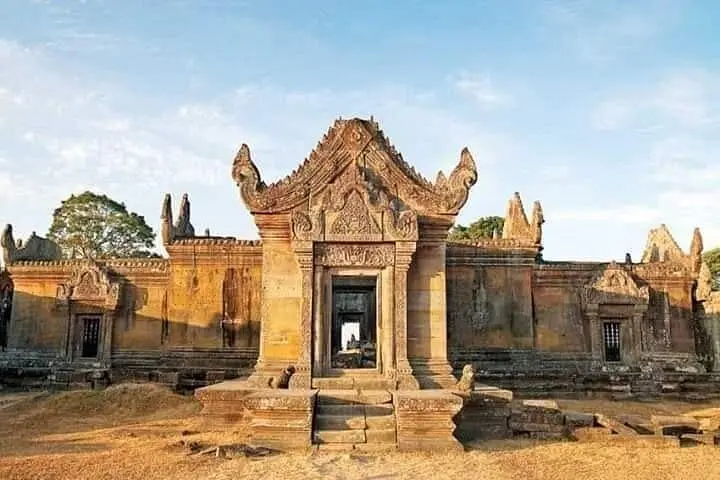
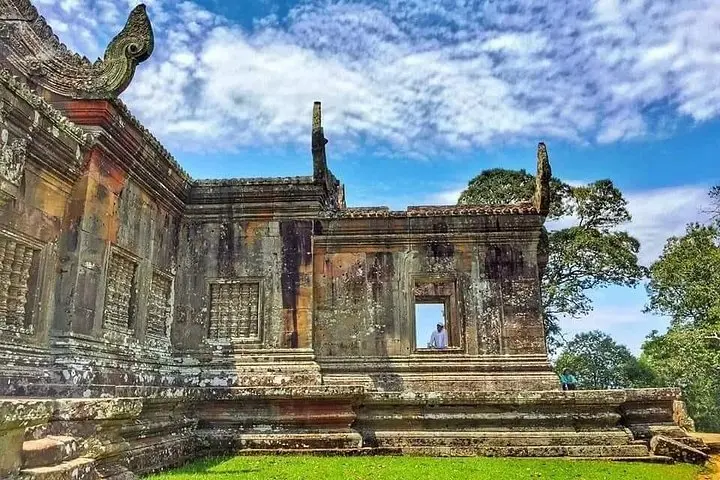
Preah Vihear crowns a Dangrek ridge with a cliff-edge causeway; its sandstone steps demand steady footing and offer a raw, windswept view across the plain. Koh Ker’s Prasat Thom rises like a deliberate experiment in scale—a 30m temple-mountain whose carved Garuda and leftover beam holes hint at rooftops of timber long gone. Beng Mealea sits lower, half-engulfed by brush; its collapsed galleries and leaning towers let you walk through an Angkorian ruin much as nineteenth-century explorers first found them.
These sites span the Khmer empire’s reach: Koh Ker briefly served as capital in the 10th century, Preah Vihear’s strategic perch tied sacred architecture to territorial control, and Beng Mealea preserves a chaotic, almost living record of temple construction and reuse.
Practicalities: tours start very early (around 5:00 a.m.) to make the 13‑hour loop manageable; bring an Angkor ticket (multi-day recommended), sun protection, and cash for local vendors. Trails range from even-packed paths to uneven stone and root-strewn clearings—good, broken-in hiking shoes and a steady pace will make the climbs pleasant. Carry at least 1.5–2L water, a light rain layer in wet months, and respect temple rules: covered shoulders, removed shoes where required, and no climbing on fragile carvings. The day mixes cultural archaeology with open-air walking and pockets of shade—expect long drives between sites, sudden breezes on high terraces, and the curious call of forest birds nudging you along.
Yes—Beng Mealea is covered by the Angkor ticket system; a multi-day pass (2+ days) is recommended if you plan other Angkor visits.
The itinerary is long but classified as accessible; however, Koh Ker and Preah Vihear involve stairs and uneven stone—assistance may be required for limited mobility.
Stops are made at local restaurants or roadside stalls for breakfast and lunch; bring snacks if you prefer specific dietary items.
This tour includes a professional English-speaking guide and private transport; admission fees are typically not included—confirm when booking.
Bayon Temple Tour operates guided outdoor trips and adventures with an emphasis on safety, stewardship, and memorable experiences.
You leave Siem Reap before dawn and the highway slips under the tyres as the sky lightens—rice paddies and low forest blur past, and by midmorning you’re standing at the foot of stone that has kept watch for a thousand years.
You leave Siem Reap before dawn and the highway slips under the tyres as the sky lightens—rice paddies and low forest blur past, and by midmorning you’re standing at the foot of stone that has kept watch for a thousand years.
Preah Vihear crowns a Dangrek ridge with a cliff-edge causeway; its sandstone steps demand steady footing and offer a raw, windswept view across the plain. Koh Ker’s Prasat Thom rises like a deliberate experiment in scale—a 30m temple-mountain whose carved Garuda and leftover beam holes hint at rooftops of timber long gone. Beng Mealea sits lower, half-engulfed by brush; its collapsed galleries and leaning towers let you walk through an Angkorian ruin much as nineteenth-century explorers first found them.
These sites span the Khmer empire’s reach: Koh Ker briefly served as capital in the 10th century, Preah Vihear’s strategic perch tied sacred architecture to territorial control, and Beng Mealea preserves a chaotic, almost living record of temple construction and reuse.
Practicalities: tours start very early (around 5:00 a.m.) to make the 13‑hour loop manageable; bring an Angkor ticket (multi-day recommended), sun protection, and cash for local vendors. Trails range from even-packed paths to uneven stone and root-strewn clearings—good, broken-in hiking shoes and a steady pace will make the climbs pleasant. Carry at least 1.5–2L water, a light rain layer in wet months, and respect temple rules: covered shoulders, removed shoes where required, and no climbing on fragile carvings. The day mixes cultural archaeology with open-air walking and pockets of shade—expect long drives between sites, sudden breezes on high terraces, and the curious call of forest birds nudging you along.