THE ADVENTURE COLLECTIVE® · Independent discovery and booking for outdoor travel

Escape Beirut for a private, full-day tour through Lebanon’s Bekaa Valley, sampling wines at Chateau Ksara, Chateau Kefraya and Chateau St Thomas with a locally guided tasting and traditional lunch. Learn about the valley’s geology and vinicultural legacy while enjoying door-to-door comfort.
Escape Beirut for a private, full-day tour through Lebanon’s Bekaa Valley, sampling wines at Chateau Ksara, Chateau Kefraya and Chateau St Thomas with a locally guided tasting and traditional lunch. Learn about the valley’s geology and vinicultural legacy while enjoying door-to-door comfort.
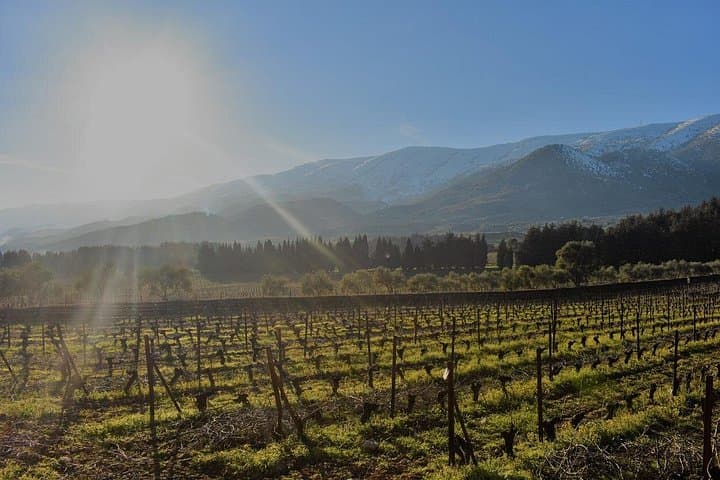
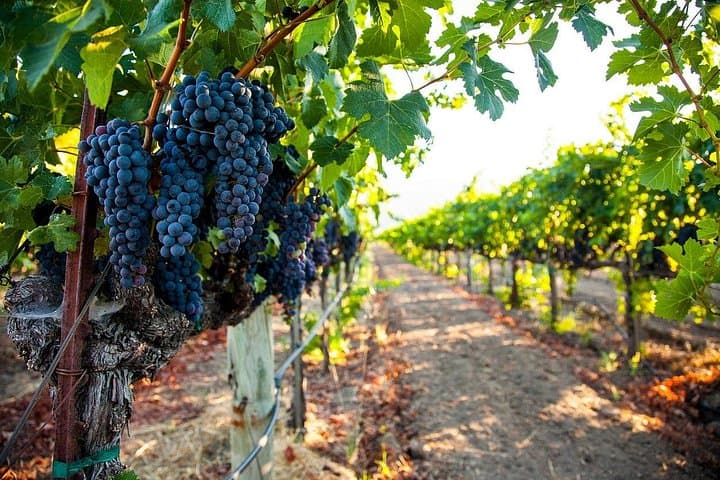
You step into a cool, air-conditioned car in Beirut and watch the coastline shrink as the highway climbs toward the Bekaa Valley. Olive groves and low stone walls give way to wide bands of vine rows stretching across a sunlit plain, and the air smells faintly of earth and grape.
Verified experiences and guided adventures in the surrounding area.
Operated by taxiGo DMC · Zahle, Beqaa Governorate
You step into a cool, air-conditioned car in Beirut and watch the coastline shrink as the highway climbs toward the Bekaa Valley. Olive groves and low stone walls give way to wide bands of vine rows stretching across a sunlit plain, and the air smells faintly of earth and grape.
The Bekaa sits between the Mount Lebanon and Anti-Lebanon ranges, an elevated agricultural basin whose limestone-rich soils and higher altitude temper hot summers—conditions that have supported viticulture since antiquity. On this private, full-day route you move between three contrasting estates: the cellar vaults and age-darkened bottles at one of Lebanon’s oldest wineries, expansive landscaped avenues framing an iconic château, and a boutique producer where small-lot tasting reveals modern interpretations of indigenous grapes.
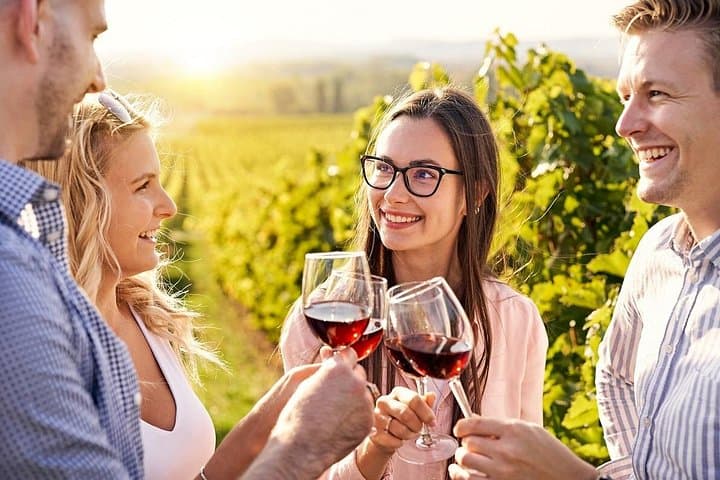
Along the way a local guide explains the valley’s place in Phoenician and Roman trade, the geology that gives wines their mineral edge, and how Lebanese hospitality shapes every tasting and the long, leisurely lunch that closes the day.
Practical matters: expect about six hours door-to-door, with light walking on gravel paths and cellar steps. Bring a sun hat and refillable water bottle, and keep small bills for market purchases or gratuities. Pace tastings—ask for spit cups if you’re driving—and reserve the tour midweek or early in the season to avoid crowds. The trip is sensory: oak, spice, and citrus on the palate; warm stone underfoot; a landscape that quietly insists you slow down and taste its history.
Pickup is provided from your hotel or the address you supply in Beirut; confirm the exact pickup time on booking confirmation.
Yes—non-drinkers can enjoy the estate tours, scenery, and lunch; guides can arrange small non-alcoholic options on request.
A traditional lunch is included; inform the operator of dietary restrictions when booking so they can accommodate preferences.
Bring photo ID for anyone tasting alcohol; local regulations require guests to be of legal drinking age to participate in tastings.
taxiGo DMC operates guided outdoor trips and adventures with an emphasis on safety, stewardship, and memorable experiences.

You step into a cool, air-conditioned car in Beirut and watch the coastline shrink as the highway climbs toward the Bekaa Valley. Olive groves and low stone walls give way to wide bands of vine rows stretching across a sunlit plain, and the air smells faintly of earth and grape.
You step into a cool, air-conditioned car in Beirut and watch the coastline shrink as the highway climbs toward the Bekaa Valley. Olive groves and low stone walls give way to wide bands of vine rows stretching across a sunlit plain, and the air smells faintly of earth and grape.
The Bekaa sits between the Mount Lebanon and Anti-Lebanon ranges, an elevated agricultural basin whose limestone-rich soils and higher altitude temper hot summers—conditions that have supported viticulture since antiquity. On this private, full-day route you move between three contrasting estates: the cellar vaults and age-darkened bottles at one of Lebanon’s oldest wineries, expansive landscaped avenues framing an iconic château, and a boutique producer where small-lot tasting reveals modern interpretations of indigenous grapes.
Along the way a local guide explains the valley’s place in Phoenician and Roman trade, the geology that gives wines their mineral edge, and how Lebanese hospitality shapes every tasting and the long, leisurely lunch that closes the day.
Practical matters: expect about six hours door-to-door, with light walking on gravel paths and cellar steps. Bring a sun hat and refillable water bottle, and keep small bills for market purchases or gratuities. Pace tastings—ask for spit cups if you’re driving—and reserve the tour midweek or early in the season to avoid crowds. The trip is sensory: oak, spice, and citrus on the palate; warm stone underfoot; a landscape that quietly insists you slow down and taste its history.