THE ADVENTURE COLLECTIVE® · Independent discovery and booking for outdoor travel

A private, full‑day circuit of the Cape Peninsula that pairs hairpin coastal drives and cliffside lookouts with a penguin colony and historic Constantia wine estates. Expect dramatic geology, local history, and curated tastings over a 10‑hour day.
A private, full‑day circuit of the Cape Peninsula that pairs hairpin coastal drives and cliffside lookouts with a penguin colony and historic Constantia wine estates. Expect dramatic geology, local history, and curated tastings over a 10‑hour day.
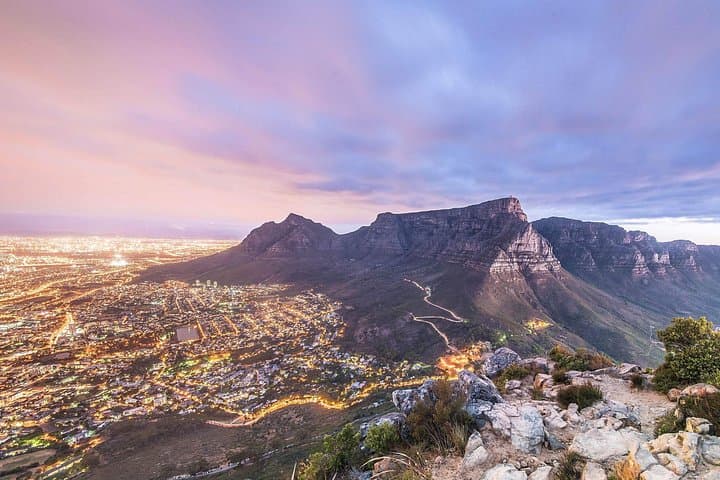
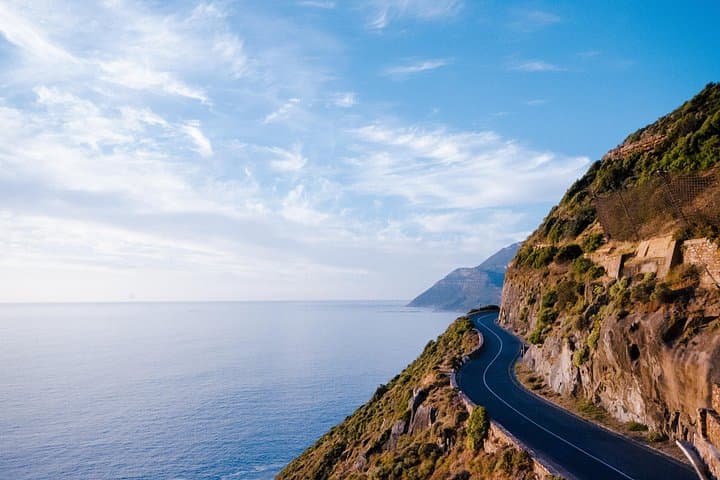
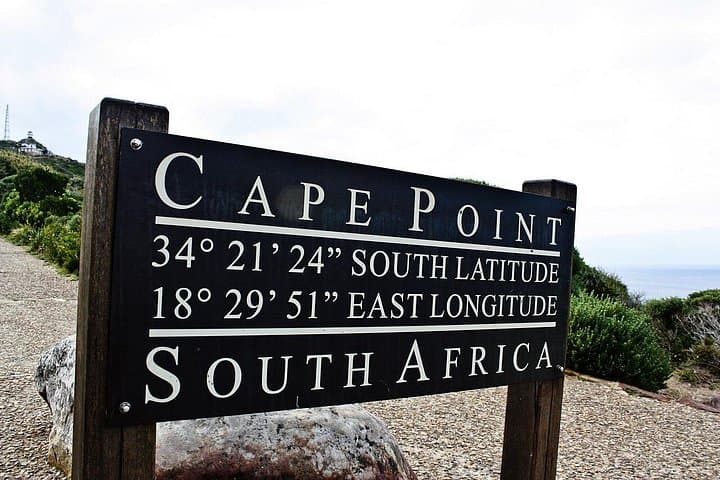
The road begins as a slow ribbon of ocean-glass and cliff: Chapman’s Peak carving the coast into a series of cinematic turns as the Atlantic presses against ancient sandstone. In a private, air‑conditioned vehicle you speed past arcing beaches and fishing villages, the driver-guide narrating the geology of the Cape Fold Belt in one breath and local wine lore in the next. By mid‑morning the map points to Cape Point — wind-swept promontories, a squat lighthouse, and views that make you feel the coastline is still being written.
Verified experiences and guided adventures in the surrounding area.
Operated by ILIOS Travel · Cape Town, Western Cape
The road begins as a slow ribbon of ocean-glass and cliff: Chapman’s Peak carving the coast into a series of cinematic turns as the Atlantic presses against ancient sandstone. In a private, air‑conditioned vehicle you speed past arcing beaches and fishing villages, the driver-guide narrating the geology of the Cape Fold Belt in one breath and local wine lore in the next. By mid‑morning the map points to Cape Point — wind-swept promontories, a squat lighthouse, and views that make you feel the coastline is still being written.
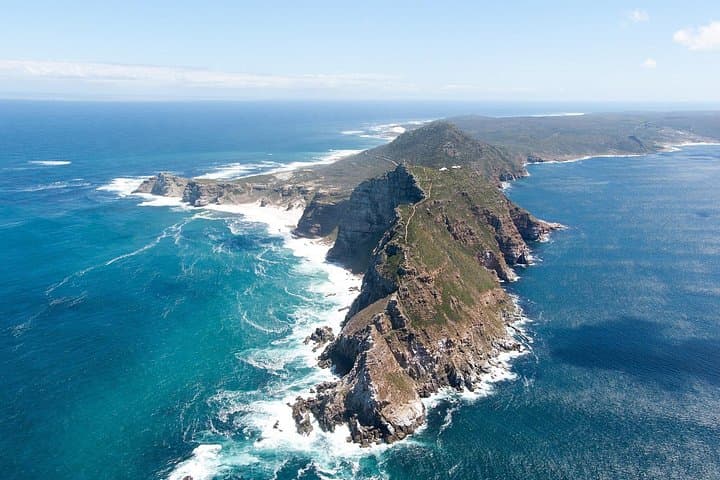
This tour strings together three very different landscapes. Cape Point and the Cape of Good Hope occupy the southwest tip of Africa, where steep folded sandstone meets the hungry sea; cliffs here are the result of millions of years of uplift and erosion that give rise to sudden elevation changes and panoramic vantage points. Simon’s Town, once a colonial naval hub, offers Victorian facades and the incongruous charm of a penguin colony at Boulders Beach — African penguins that have learned to live alongside humans, waddling between granite boulders as children squeal nearby.
The day eases into Constantia, where history reorients from maritime to viticultural. Groot Constantia and its neighbouring estates trace their roots back to the late 17th and 18th centuries, when Dutch settlers planted the first vines in soils of decomposed granite and alluvial fans. Wine tasting here is both a sensory and cultural reading: terroir, technique and the long shadow of colonial agriculture all arrive in a glass.
Practicalities govern the flow. The full‑day, roughly 10‑hour private tour runs as a loop from Cape Town and includes entry to key reserves and selected wine tastings; it’s time‑sensitive, with limited time for sit‑down meals. Paths at Cape Point include short paved climbs and stairways (allow 20–40 minutes for each lookout), while Boulders Beach is flat and boardwalked. Expect microclimates — morning fog along Chapman’s Peak can clear into brutal sun by lunchtime — and bring layers.
For photographers, dawn or late afternoon softens the Atlantic glare; for planners, booking with flexible pickup and confirming which estates serve food will keep the day smooth. Above all, this is a day of contrast: raw coastal geology daring you to look farther, social colonies of penguins that ignore your itinerary, and refined wine estates that ask you to slow down and taste the place. With sensible shoes, a charged phone, and a spare water bottle, you’ll come away with cliffs, coastlines, and a clearer sense of the Cape’s layered identity.
The private tour runs about 10 hours; exact pickup time is confirmed at booking—early morning departures are common to maximize daylight.
The itinerary indicates admission to some reserves and wine tastings are included at select estates, but confirm which estates and whether premium tastings incur an extra fee.
Yes—stroller access and infant seats are available, though some walking at lookouts and boardwalks will be required.
Guides can select estates that offer light meals or pairings; communicate dietary needs at booking so they can plan accordingly.
Comfortable layers, sturdy walking shoes, sun protection and a light waterproof if traveling in winter.
Tipping is customary for private guides in South Africa—plan on ~10–15% of the tour cost based on service quality.
ILIOS Travel operates guided outdoor trips and adventures with an emphasis on safety, stewardship, and memorable experiences.
The road begins as a slow ribbon of ocean-glass and cliff: Chapman’s Peak carving the coast into a series of cinematic turns as the Atlantic presses against ancient sandstone. In a private, air‑conditioned vehicle you speed past arcing beaches and fishing villages, the driver-guide narrating the geology of the Cape Fold Belt in one breath and local wine lore in the next. By mid‑morning the map points to Cape Point — wind-swept promontories, a squat lighthouse, and views that make you feel the coastline is still being written.
The road begins as a slow ribbon of ocean-glass and cliff: Chapman’s Peak carving the coast into a series of cinematic turns as the Atlantic presses against ancient sandstone. In a private, air‑conditioned vehicle you speed past arcing beaches and fishing villages, the driver-guide narrating the geology of the Cape Fold Belt in one breath and local wine lore in the next. By mid‑morning the map points to Cape Point — wind-swept promontories, a squat lighthouse, and views that make you feel the coastline is still being written.
This tour strings together three very different landscapes. Cape Point and the Cape of Good Hope occupy the southwest tip of Africa, where steep folded sandstone meets the hungry sea; cliffs here are the result of millions of years of uplift and erosion that give rise to sudden elevation changes and panoramic vantage points. Simon’s Town, once a colonial naval hub, offers Victorian facades and the incongruous charm of a penguin colony at Boulders Beach — African penguins that have learned to live alongside humans, waddling between granite boulders as children squeal nearby.
The day eases into Constantia, where history reorients from maritime to viticultural. Groot Constantia and its neighbouring estates trace their roots back to the late 17th and 18th centuries, when Dutch settlers planted the first vines in soils of decomposed granite and alluvial fans. Wine tasting here is both a sensory and cultural reading: terroir, technique and the long shadow of colonial agriculture all arrive in a glass.
Practicalities govern the flow. The full‑day, roughly 10‑hour private tour runs as a loop from Cape Town and includes entry to key reserves and selected wine tastings; it’s time‑sensitive, with limited time for sit‑down meals. Paths at Cape Point include short paved climbs and stairways (allow 20–40 minutes for each lookout), while Boulders Beach is flat and boardwalked. Expect microclimates — morning fog along Chapman’s Peak can clear into brutal sun by lunchtime — and bring layers.
For photographers, dawn or late afternoon softens the Atlantic glare; for planners, booking with flexible pickup and confirming which estates serve food will keep the day smooth. Above all, this is a day of contrast: raw coastal geology daring you to look farther, social colonies of penguins that ignore your itinerary, and refined wine estates that ask you to slow down and taste the place. With sensible shoes, a charged phone, and a spare water bottle, you’ll come away with cliffs, coastlines, and a clearer sense of the Cape’s layered identity.