THE ADVENTURE COLLECTIVE® · Independent discovery and booking for outdoor travel

Spend a private day tracing Cappadocia’s geological oddities and cultural layers: panoramic ridgelines, fairy chimneys, pottery in Avanos and the subterranean complexity of Kaymaklı. A licensed local guide and private vehicle condense the region’s deep history into a single, easy day of exploration.
Spend a private day tracing Cappadocia’s geological oddities and cultural layers: panoramic ridgelines, fairy chimneys, pottery in Avanos and the subterranean complexity of Kaymaklı. A licensed local guide and private vehicle condense the region’s deep history into a single, easy day of exploration.
You step out of the minibus before sunrise and the valley exhales—stone chimneys and cone-shaped towers standing like a crowd waiting for a show. The guide points toward Göreme Panorama, where hardened volcanic ash and tuff have been gnawed by wind and rain into shapes that test your imagination. On a private full-day tour, Cappadocia stops behaving like a postcard and starts behaving like a place: stubborn, layered, and stubbornly old.
Verified experiences and guided adventures in the surrounding area.
Operated by Anatolian Treshold Travel · Göreme, Nevşehir
You step out of the minibus before sunrise and the valley exhales—stone chimneys and cone-shaped towers standing like a crowd waiting for a show. The guide points toward Göreme Panorama, where hardened volcanic ash and tuff have been gnawed by wind and rain into shapes that test your imagination. On a private full-day tour, Cappadocia stops behaving like a postcard and starts behaving like a place: stubborn, layered, and stubbornly old.
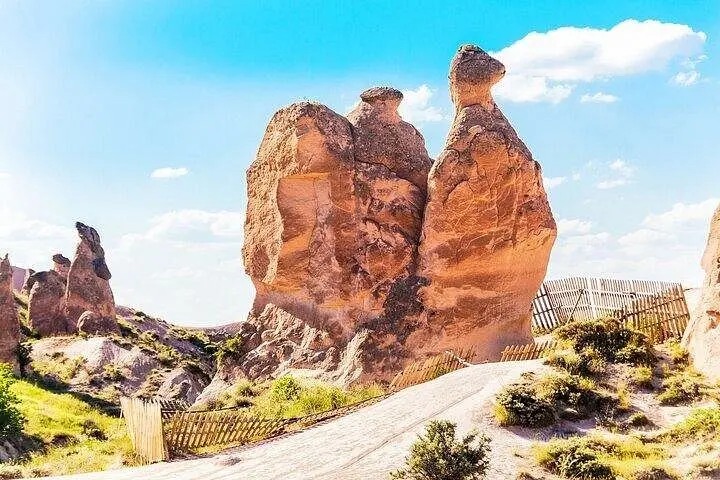
This landscape is geological theater. Millions of years of eruptions from ancient volcanoes laid down soft tuff; later, harder basalt caps protected columns beneath, producing the fairy chimneys the region is known for. Human history has used that softness as well as its makers did: monks carved sanctuaries, farmers hewed pigeon houses into slopes, and whole communities tunneled into the earth to shelter from invaders. The Kaymaklı underground city you visit was expanded over centuries as a defensive refuge—low passages, ventilation shafts and millstone doors that still close out the world.
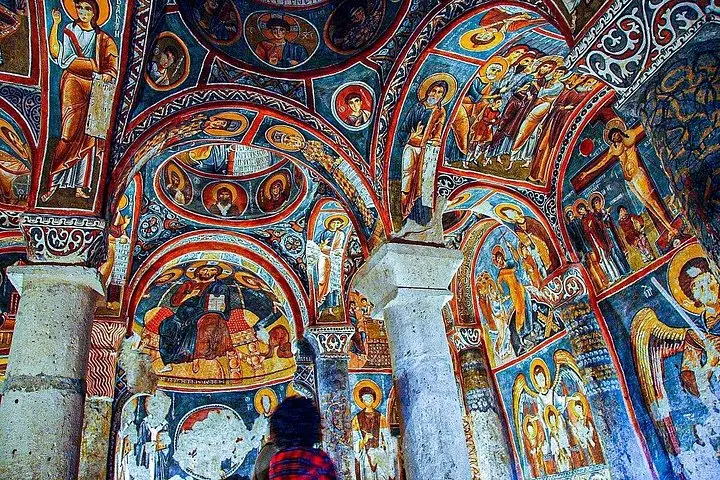
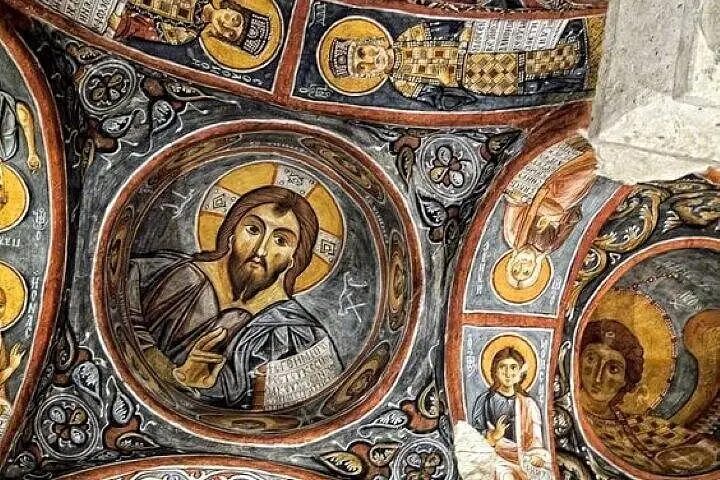
Cultural threads run through every stop. Avanos keeps a living craft tradition—pottery from red river clay—and the local guides on private tours often bring you into family-run workshops, where the wheel still answers to human rhythm. Uçhisar’s castle was once a vantage point to watch for enemies and now reads like a map, doorway by doorway, of regional life. The Göreme Open Air Museum ties the geology to faith: painted cave churches with Byzantine frescoes tucked inside volcanic rock.
Practical edges: this private itinerary runs 6–8 hours and is driven—expect short walks on uneven paths, narrow cave passages and steps in underground sections. Pickup and drop-off at your hotel make logistics simple; small-group timing means you can dial the day toward slower exploration or more photo stops. Entrance fees to museums and underground cities are often separate; carry cash or a card. Summer sun can be relentless; winter brings cold and occasional snow that changes the colors of the stone.
For first-timers, arrive with sturdy shoes, a refillable water bottle, sun protection and a camera with extra battery. Ask your guide about less-visited viewpoints—early evening at Red Valley or sunset near Uçhisar offers softer light and fewer people. Respect the fragile tuff: don’t climb on carved facades and keep to the paths. Book a private tour if you want depth—the licensed guide included in this experience will give local context, point out subtle architectural details and set a pace that suits you. Cappadocia will push your attention outward: to the ground beneath your feet, the rooms hollowed by hands long gone, and the skyline that still keeps its secrets.
Yes, private pickup and drop-off at hotels in Cappadocia are included—confirm your hotel name and pickup time when booking.
No, most museum and underground city entrance fees are not included—bring cash or card to cover admissions.
This is a private tour and can usually be adjusted to focus on photography, history or shopping—discuss priorities with your guide when you book.
No; balloon flights are separate early-morning experiences. This ground tour visits panoramic viewpoints instead.
Underground sections have low, steep, narrow passages—not ideal for limited mobility or very young children; ask for alternate surface options.
Tipping is discretionary but common; 5–10% of the tour cost or a modest cash amount per person is appreciated for good service.
Anatolian Treshold Travel operates guided outdoor trips and adventures with an emphasis on safety, stewardship, and memorable experiences.
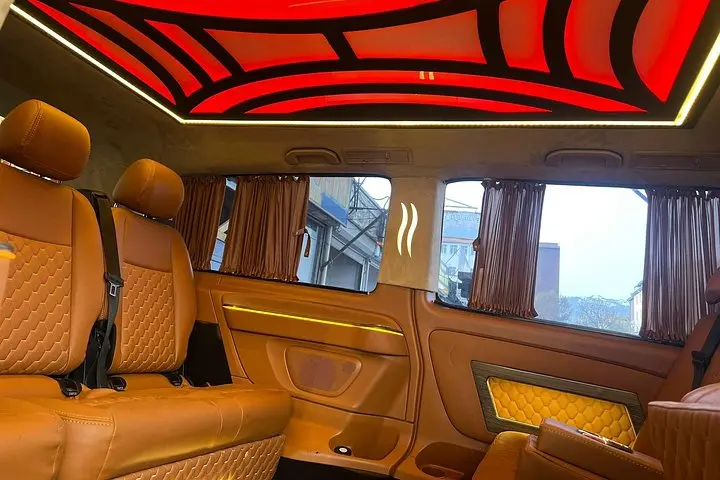
You step out of the minibus before sunrise and the valley exhales—stone chimneys and cone-shaped towers standing like a crowd waiting for a show. The guide points toward Göreme Panorama, where hardened volcanic ash and tuff have been gnawed by wind and rain into shapes that test your imagination. On a private full-day tour, Cappadocia stops behaving like a postcard and starts behaving like a place: stubborn, layered, and stubbornly old.
You step out of the minibus before sunrise and the valley exhales—stone chimneys and cone-shaped towers standing like a crowd waiting for a show. The guide points toward Göreme Panorama, where hardened volcanic ash and tuff have been gnawed by wind and rain into shapes that test your imagination. On a private full-day tour, Cappadocia stops behaving like a postcard and starts behaving like a place: stubborn, layered, and stubbornly old.
This landscape is geological theater. Millions of years of eruptions from ancient volcanoes laid down soft tuff; later, harder basalt caps protected columns beneath, producing the fairy chimneys the region is known for. Human history has used that softness as well as its makers did: monks carved sanctuaries, farmers hewed pigeon houses into slopes, and whole communities tunneled into the earth to shelter from invaders. The Kaymaklı underground city you visit was expanded over centuries as a defensive refuge—low passages, ventilation shafts and millstone doors that still close out the world.
Cultural threads run through every stop. Avanos keeps a living craft tradition—pottery from red river clay—and the local guides on private tours often bring you into family-run workshops, where the wheel still answers to human rhythm. Uçhisar’s castle was once a vantage point to watch for enemies and now reads like a map, doorway by doorway, of regional life. The Göreme Open Air Museum ties the geology to faith: painted cave churches with Byzantine frescoes tucked inside volcanic rock.
Practical edges: this private itinerary runs 6–8 hours and is driven—expect short walks on uneven paths, narrow cave passages and steps in underground sections. Pickup and drop-off at your hotel make logistics simple; small-group timing means you can dial the day toward slower exploration or more photo stops. Entrance fees to museums and underground cities are often separate; carry cash or a card. Summer sun can be relentless; winter brings cold and occasional snow that changes the colors of the stone.
For first-timers, arrive with sturdy shoes, a refillable water bottle, sun protection and a camera with extra battery. Ask your guide about less-visited viewpoints—early evening at Red Valley or sunset near Uçhisar offers softer light and fewer people. Respect the fragile tuff: don’t climb on carved facades and keep to the paths. Book a private tour if you want depth—the licensed guide included in this experience will give local context, point out subtle architectural details and set a pace that suits you. Cappadocia will push your attention outward: to the ground beneath your feet, the rooms hollowed by hands long gone, and the skyline that still keeps its secrets.