THE ADVENTURE COLLECTIVE® · Independent discovery and booking for outdoor travel

A single, private day that matches the slow awe of the Giza Plateau with a 60‑minute ATV across the desert and a focused visit to the Egyptian Museum. Expect ancient monuments, a short camel ride, and modern museum rooms housing Tutankhamun’s treasures.
A single, private day that matches the slow awe of the Giza Plateau with a 60‑minute ATV across the desert and a focused visit to the Egyptian Museum. Expect ancient monuments, a short camel ride, and modern museum rooms housing Tutankhamun’s treasures.
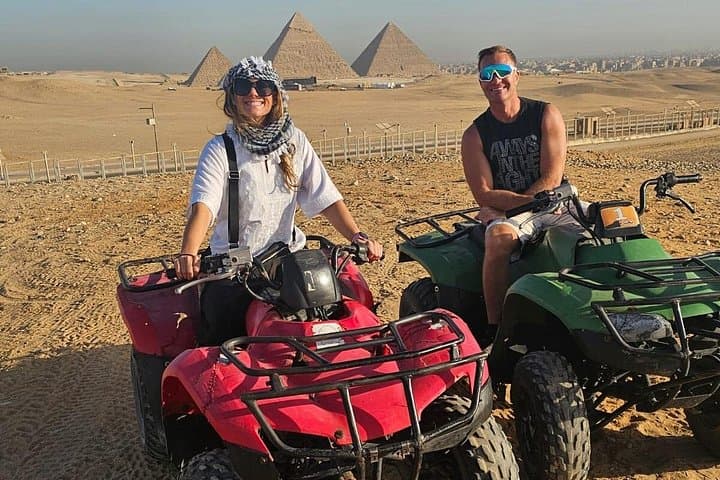
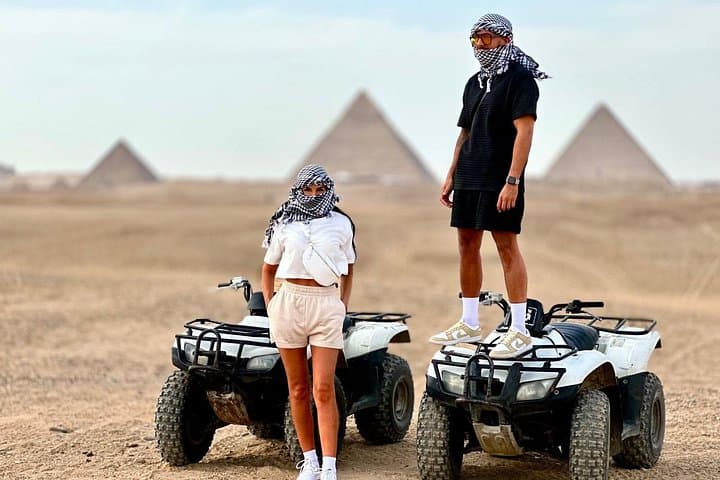
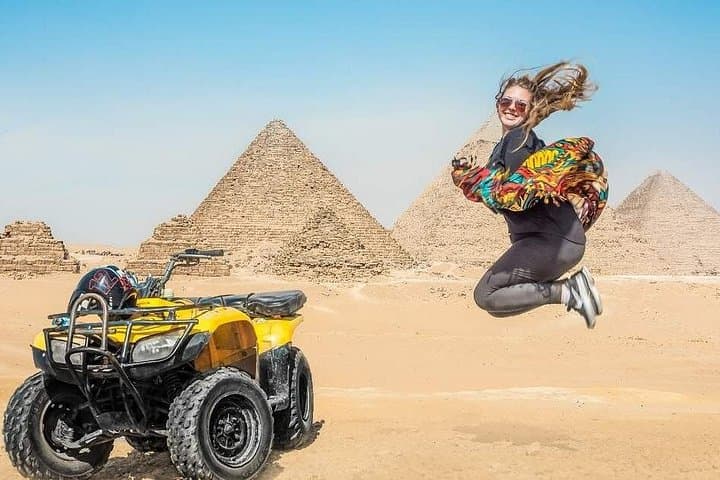
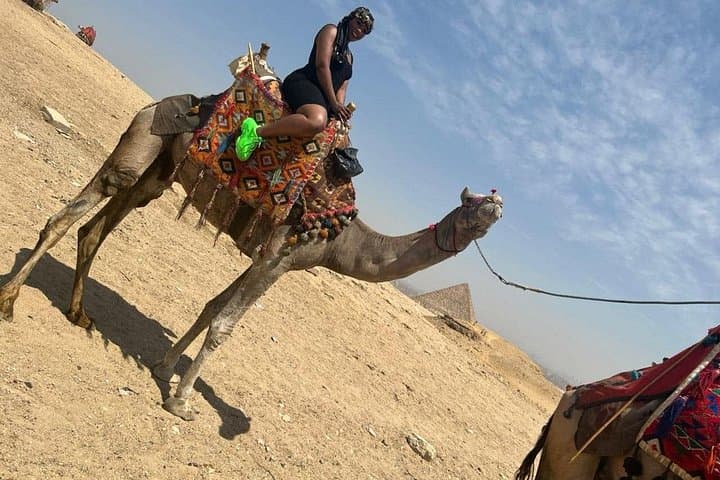
You arrive at the Giza Plateau just as light softens the limestone faces of the pyramids — wind carrying dust and the distant calls of vendors. The Great Pyramid rises ahead, its blocks arranged in precise, silent steps that have endured for millennia. Nearby, camels sway against the horizon; later you'll trade sand for the low thrum of a quad bike and the quiet, cool galleries of the Egyptian Museum in central Cairo.
Verified experiences and guided adventures in the surrounding area.
Operated by Hesham Egypt tour guide · Giza, Cairo Governorate
You arrive at the Giza Plateau just as light softens the limestone faces of the pyramids — wind carrying dust and the distant calls of vendors. The Great Pyramid rises ahead, its blocks arranged in precise, silent steps that have endured for millennia. Nearby, camels sway against the horizon; later you'll trade sand for the low thrum of a quad bike and the quiet, cool galleries of the Egyptian Museum in central Cairo.
The necropolis at Giza dates to roughly 4,500 years ago, dominated by the tombs of Khufu (Cheops), Khafre (Chephren) and Menkaure (Mykerinus). The Sphinx, carved from bedrock, watches the plain with the weathered face often associated with Khafre. Geologically the plateau is limestone with granite elements used inside the pyramids, evidence of long-distance stoneworking and transport in ancient Egypt. Culturally, this loop — monument, camel, desert and museum — contrasts public ritual space with the intimate, careful displays of pharaonic treasures, including the gold funerary objects from Tutankhamun’s tomb held in the museum.
Practically: this private full-day run lasts about eight hours with hotel pickup in an air-conditioned vehicle. Expect roughly three hours on the plateau (including a 15-minute camel ride and a 60-minute guided ATV), then up to two hours in the Egyptian Museum. Bring sun protection, closed-toe shoes and a refillable water bottle; mornings are cooler and less crowded. Follow your guide’s directions around fragile stones and museum rules — stay on marked paths, avoid touching masonry, and keep flash and tripods in check. The day pairs spectacle with hands-on desert time — an efficient way to cover Cairo’s most iconic contrasts while staying grounded and safe.
The listing notes entrance fees are based on the tour options you book; confirm at booking whether Giza plateau and Egyptian Museum admissions are included in your private option.
Yes — the one-hour ATV session is typically beginner-friendly; operators provide a short safety briefing and guide-led routes through marked desert tracks.
The itinerary includes a short camel ride of roughly 15 minutes on the plateau, offered as a cultural experience rather than extended trekking.
Access to enter the Great Pyramid interior is restricted and sometimes requires a separate ticket with limited availability; ask your operator in advance if interior access is desired.
Hesham Egypt tour guide operates guided outdoor trips and adventures with an emphasis on safety, stewardship, and memorable experiences.
You arrive at the Giza Plateau just as light softens the limestone faces of the pyramids — wind carrying dust and the distant calls of vendors. The Great Pyramid rises ahead, its blocks arranged in precise, silent steps that have endured for millennia. Nearby, camels sway against the horizon; later you'll trade sand for the low thrum of a quad bike and the quiet, cool galleries of the Egyptian Museum in central Cairo.
You arrive at the Giza Plateau just as light softens the limestone faces of the pyramids — wind carrying dust and the distant calls of vendors. The Great Pyramid rises ahead, its blocks arranged in precise, silent steps that have endured for millennia. Nearby, camels sway against the horizon; later you'll trade sand for the low thrum of a quad bike and the quiet, cool galleries of the Egyptian Museum in central Cairo.
The necropolis at Giza dates to roughly 4,500 years ago, dominated by the tombs of Khufu (Cheops), Khafre (Chephren) and Menkaure (Mykerinus). The Sphinx, carved from bedrock, watches the plain with the weathered face often associated with Khafre. Geologically the plateau is limestone with granite elements used inside the pyramids, evidence of long-distance stoneworking and transport in ancient Egypt. Culturally, this loop — monument, camel, desert and museum — contrasts public ritual space with the intimate, careful displays of pharaonic treasures, including the gold funerary objects from Tutankhamun’s tomb held in the museum.
Practically: this private full-day run lasts about eight hours with hotel pickup in an air-conditioned vehicle. Expect roughly three hours on the plateau (including a 15-minute camel ride and a 60-minute guided ATV), then up to two hours in the Egyptian Museum. Bring sun protection, closed-toe shoes and a refillable water bottle; mornings are cooler and less crowded. Follow your guide’s directions around fragile stones and museum rules — stay on marked paths, avoid touching masonry, and keep flash and tripods in check. The day pairs spectacle with hands-on desert time — an efficient way to cover Cairo’s most iconic contrasts while staying grounded and safe.