THE ADVENTURE COLLECTIVE® · Independent discovery and booking for outdoor travel

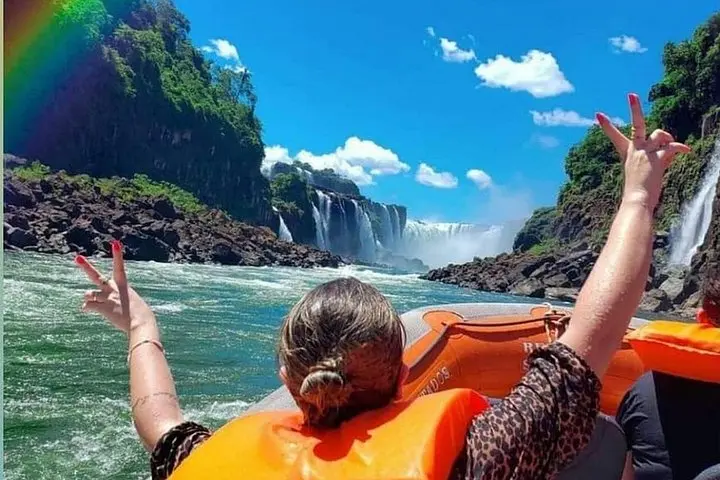
Experience both faces of Iguazu Falls in one efficient, private day: close-up walks and plunging viewpoints on the Argentine side, followed by panoramic perspectives from Brazil — with an optional boat ride that brings you into the mist.
Experience both faces of Iguazu Falls in one efficient, private day: close-up walks and plunging viewpoints on the Argentine side, followed by panoramic perspectives from Brazil — with an optional boat ride that brings you into the mist.
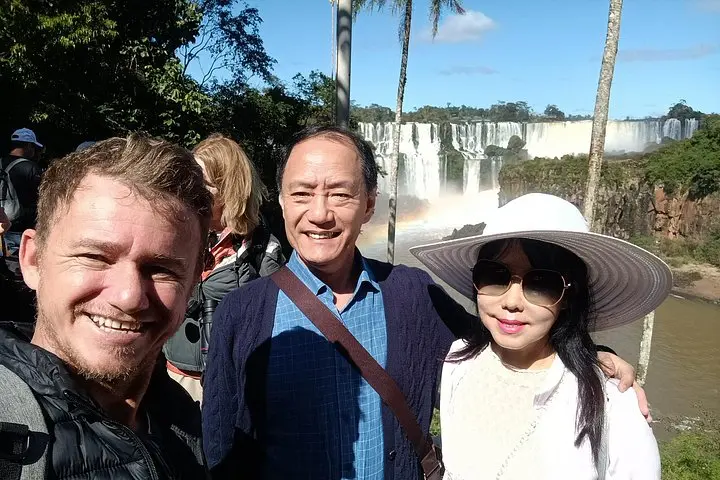
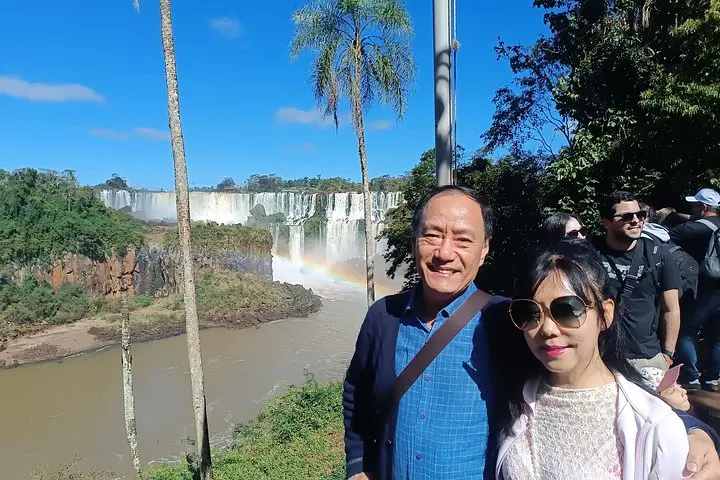
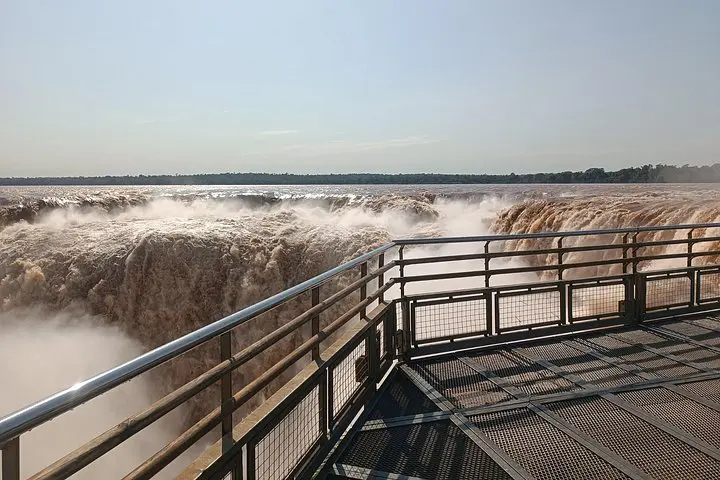
You step off the air-conditioned vehicle and the air itself changes — cooler, wetter, charged with the constant roar that announces Iguazu. The day begins in the Argentine park: a short train ride deposits you near the Devil’s Throat platform, where the river dares you closer and the spray paints rainbows across the viewpoints.
Verified experiences and guided adventures in the surrounding area.
Operated by NELTON LINDEN · Puerto Iguazú, Misiones
You step off the air-conditioned vehicle and the air itself changes — cooler, wetter, charged with the constant roar that announces Iguazu. The day begins in the Argentine park: a short train ride deposits you near the Devil’s Throat platform, where the river dares you closer and the spray paints rainbows across the viewpoints.
Geology here is blunt and theatrical: massive basalt flows from the Paraná eruptions cracked and dropped, driving the Iguazu River into a jagged edge of falls. Indigenous Guarani people long regarded the river as a powerful presence; later European explorers recorded the cascade’s scale in the 16th century. Today two national parks — on Argentina and Brazil — protect different characters of the same spectacle: Argentina’s trails thread you through intimate walkways and close-up cataracts; Brazil’s side presents sweeping panoramas that frame the whole river system.
Expect boardwalks, stairs, and photographic vistas; fauna like coatis and toucans move with casual confidence through the understory. In practical terms, this is a long but accessible day: the tour covers park trains, roughly 3–4 km of walking on mostly flat but sometimes wet paths, and optional boat trips that drench you near the base of the falls.
Bring quick-dry layers, waterproof protection for electronics, and a small daypack with water and snacks. Plan passport and visa checks when crossing the border, leave time for security and park entry, and schedule mornings to beat the largest crowds. With a private guide, the route is efficient — enough time for views on both shores and an optional wet-and-wild boat ride to end the day.
Yes — you must carry a valid passport; visa requirements depend on your nationality, so check ahead and bring required entry documents.
Boat tours operate with life jackets and experienced crews, but operators usually set age/height limits; verify rules before booking and expect to get wet.
Both national parks have accessible sections and the tour lists wheelchair-accessible options, but some viewpoints and boardwalks include steps — confirm specifics with your operator.
Both parks have visitor centers with cafes and picnic areas; carry small snacks but follow rules about food and wildlife to avoid attracting animals.
NELTON LINDEN operates guided outdoor trips and adventures with an emphasis on safety, stewardship, and memorable experiences.
You step off the air-conditioned vehicle and the air itself changes — cooler, wetter, charged with the constant roar that announces Iguazu. The day begins in the Argentine park: a short train ride deposits you near the Devil’s Throat platform, where the river dares you closer and the spray paints rainbows across the viewpoints.
You step off the air-conditioned vehicle and the air itself changes — cooler, wetter, charged with the constant roar that announces Iguazu. The day begins in the Argentine park: a short train ride deposits you near the Devil’s Throat platform, where the river dares you closer and the spray paints rainbows across the viewpoints.
Geology here is blunt and theatrical: massive basalt flows from the Paraná eruptions cracked and dropped, driving the Iguazu River into a jagged edge of falls. Indigenous Guarani people long regarded the river as a powerful presence; later European explorers recorded the cascade’s scale in the 16th century. Today two national parks — on Argentina and Brazil — protect different characters of the same spectacle: Argentina’s trails thread you through intimate walkways and close-up cataracts; Brazil’s side presents sweeping panoramas that frame the whole river system.
Expect boardwalks, stairs, and photographic vistas; fauna like coatis and toucans move with casual confidence through the understory. In practical terms, this is a long but accessible day: the tour covers park trains, roughly 3–4 km of walking on mostly flat but sometimes wet paths, and optional boat trips that drench you near the base of the falls.
Bring quick-dry layers, waterproof protection for electronics, and a small daypack with water and snacks. Plan passport and visa checks when crossing the border, leave time for security and park entry, and schedule mornings to beat the largest crowds. With a private guide, the route is efficient — enough time for views on both shores and an optional wet-and-wild boat ride to end the day.