THE ADVENTURE COLLECTIVE® · Independent discovery and booking for outdoor travel

Capture Delhi’s most photogenic corners on a private, six-hour walking-and-driving loop through stepwells, bazaars, Mughal tombs and street art. This guided tour pairs key landmarks with practical timing and photo tips.
Capture Delhi’s most photogenic corners on a private, six-hour walking-and-driving loop through stepwells, bazaars, Mughal tombs and street art. This guided tour pairs key landmarks with practical timing and photo tips.
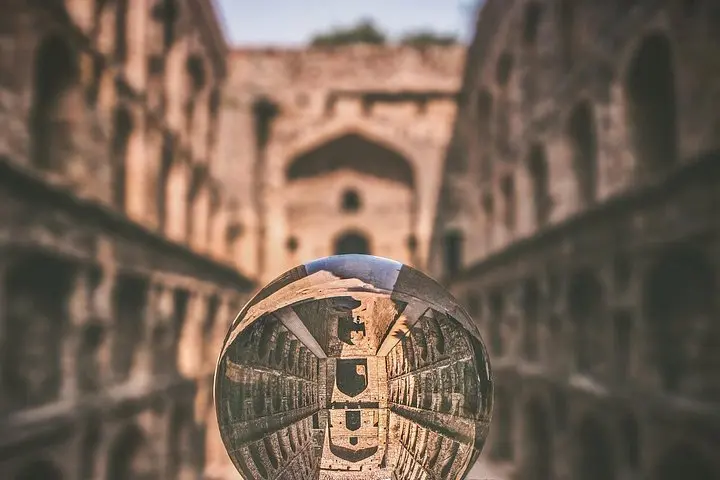
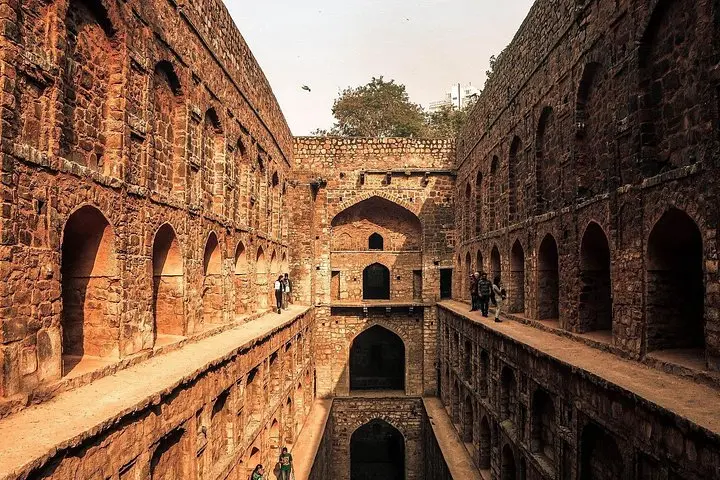
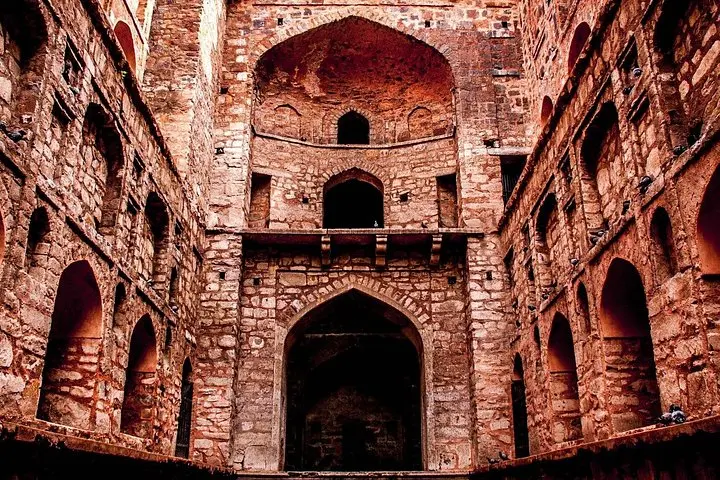
You step out of the car into an urban stage where light angles through colonial facades and narrow bazaars push you forward. The tour threads Connaught Place’s circular arc, slips into the shadowed steps of Agrasen ki Baoli, and trades chaotic spices in Chandni Chowk for the calm lawns of Humayun’s Tomb — each stop offering a different frame for your lens.
Verified experiences and guided adventures in the surrounding area.
Operated by TripBea · New Delhi, Delhi
You step out of the car into an urban stage where light angles through colonial facades and narrow bazaars push you forward. The tour threads Connaught Place’s circular arc, slips into the shadowed steps of Agrasen ki Baoli, and trades chaotic spices in Chandni Chowk for the calm lawns of Humayun’s Tomb — each stop offering a different frame for your lens.
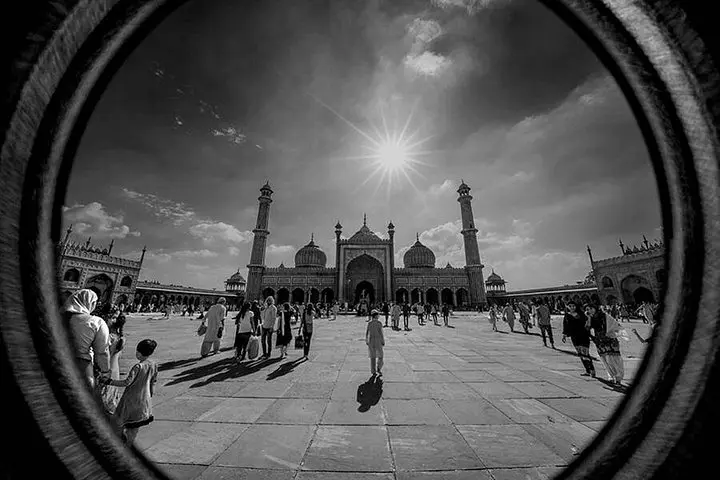
Delhi’s streets are a palimpsest of empires: Mughal domes sit beside British-era boulevards and contemporary murals. Agrasen ki Baoli is a medieval stepwell rebuilt in later centuries; Humayun’s Tomb marks an early experiment in Mughal funerary design that would influence the Taj Mahal. Geologically the city rests on the alluvial plain of the Yamuna, a flatness that makes long sightlines and grand axes like Rajpath possible. Culturally, markets and food stalls are as essential as monuments — the city’s energy is a constant, tactile presence.
Practical guidance is straightforward: expect six hours of walking and short drives with a private vehicle between sights. Light, breathable clothing and stable shoes let you move quickly through crowds and marble terraces. For photographers, mid-morning and late afternoon deliver the best directional light and fewer harsh shadows; some monuments charge entry or restrict tripods, so plan handheld shots where needed.
This is a tour built for composition and context — iconic monuments, neighborhood life, and public art all arranged to give visitors both polished photos and a grounded sense of how New Delhi’s layers fit together.
Yes—transport is provided between sites and the pace is adjustable; notify the operator of mobility needs when booking.
Most public exterior shots are included but some monuments like Humayun’s Tomb may require separate entry tickets; confirm with the operator before arrival.
Small handheld tripods are usually fine; larger professional setups may be restricted at certain monuments—check permits ahead of time.
Private pickup is standard; you’ll select a central pickup point or provide hotel details when booking.
TripBea operates guided outdoor trips and adventures with an emphasis on safety, stewardship, and memorable experiences.
You step out of the car into an urban stage where light angles through colonial facades and narrow bazaars push you forward. The tour threads Connaught Place’s circular arc, slips into the shadowed steps of Agrasen ki Baoli, and trades chaotic spices in Chandni Chowk for the calm lawns of Humayun’s Tomb — each stop offering a different frame for your lens.
You step out of the car into an urban stage where light angles through colonial facades and narrow bazaars push you forward. The tour threads Connaught Place’s circular arc, slips into the shadowed steps of Agrasen ki Baoli, and trades chaotic spices in Chandni Chowk for the calm lawns of Humayun’s Tomb — each stop offering a different frame for your lens.
Delhi’s streets are a palimpsest of empires: Mughal domes sit beside British-era boulevards and contemporary murals. Agrasen ki Baoli is a medieval stepwell rebuilt in later centuries; Humayun’s Tomb marks an early experiment in Mughal funerary design that would influence the Taj Mahal. Geologically the city rests on the alluvial plain of the Yamuna, a flatness that makes long sightlines and grand axes like Rajpath possible. Culturally, markets and food stalls are as essential as monuments — the city’s energy is a constant, tactile presence.
Practical guidance is straightforward: expect six hours of walking and short drives with a private vehicle between sights. Light, breathable clothing and stable shoes let you move quickly through crowds and marble terraces. For photographers, mid-morning and late afternoon deliver the best directional light and fewer harsh shadows; some monuments charge entry or restrict tripods, so plan handheld shots where needed.
This is a tour built for composition and context — iconic monuments, neighborhood life, and public art all arranged to give visitors both polished photos and a grounded sense of how New Delhi’s layers fit together.