THE ADVENTURE COLLECTIVE® · Independent discovery and booking for outdoor travel

Spend a full day moving through Kathmandu’s richest heritage sites with a private guide and taxi. Visit Swayambhunath, Pashupatinath, Bouddhanath, Patan and the Narayanhiti Palace Museum while learning the valley’s layered history and practical tips for navigating temples and courtyards.
Spend a full day moving through Kathmandu’s richest heritage sites with a private guide and taxi. Visit Swayambhunath, Pashupatinath, Bouddhanath, Patan and the Narayanhiti Palace Museum while learning the valley’s layered history and practical tips for navigating temples and courtyards.
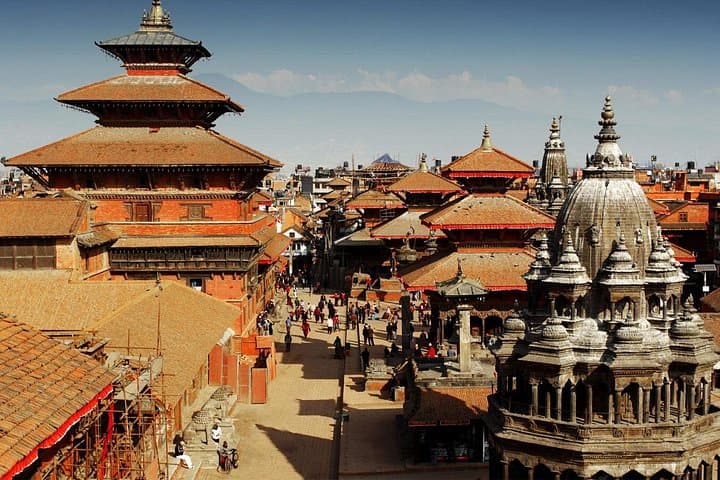
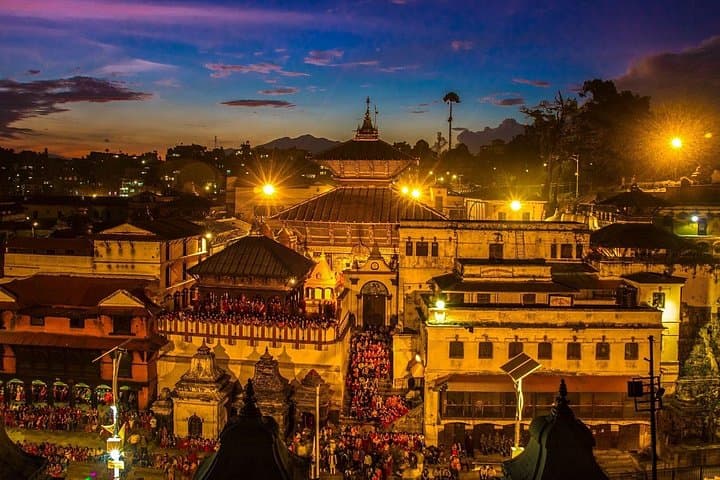
You step from the taxi into a clatter of bells, incense and voices — Kathmandu arrives all at once. The tour moves like a practiced circuit: first the low-slung stupas and curious monkeys of Swayambhunath where the valley opens beneath you, then the sacred banks of the Bagmati at Pashupatinath with its public cremation ghats, the wide prayer-circle of Bouddhanath, the carved alleys of Patan, and finally the recently opened Narayanhiti Palace Museum.
Verified experiences and guided adventures in the surrounding area.
Operated by Himalayan Social Journey · Kathmandu, Bagmati Province
You step from the taxi into a clatter of bells, incense and voices — Kathmandu arrives all at once. The tour moves like a practiced circuit: first the low-slung stupas and curious monkeys of Swayambhunath where the valley opens beneath you, then the sacred banks of the Bagmati at Pashupatinath with its public cremation ghats, the wide prayer-circle of Bouddhanath, the carved alleys of Patan, and finally the recently opened Narayanhiti Palace Museum.
The valley itself is a deep, alluvial bowl carved by rivers and human hands over millennia; its monuments record a layered history of Newar artisans, Tibetan exile communities and Hindu rites. Swayambhu’s stupa dates back centuries and frames views across medieval courtyards; Patan’s metalwork and woodcarving reflect the city’s role as an artisan hub along Himalayan trade routes.
Practicalities shape the day: this private, 7–8 hour tour uses a taxi and an English-speaking guide and driver. Admissions are typically paid on site, so carry cash and small bills. Expect uneven stone courtyards and many steps at temple entrances — comfortable shoes matter. Respect local customs at Pashupatinath (modest dress, no photography of cremation rites) and follow your guide’s directions inside active shrines.
Timing matters: start early to avoid heat and crowds at Bouddha, or late afternoon for warmer light over Durbar Square. Bring water and sun protection, and leave room in your schedule for spontaneous stops at a thangka studio or a Newari café — the city rewards curious feet.
Admissions are generally not included; pay on-site at museums and temples — keep Nepali rupees or a card where accepted.
Yes — infants must sit on laps but infant seats are available; the tour lists as suitable for all physical fitness levels.
This is a private tour with pickup and drop-off included; confirm your pickup point when booking and provide arrival details if needed.
Yes — dress modestly (shoulders and knees covered) at Hindu and Buddhist sites, remove shoes where required, and avoid photographing private rites without permission.
Himalayan Social Journey operates guided outdoor trips and adventures with an emphasis on safety, stewardship, and memorable experiences.


You step from the taxi into a clatter of bells, incense and voices — Kathmandu arrives all at once. The tour moves like a practiced circuit: first the low-slung stupas and curious monkeys of Swayambhunath where the valley opens beneath you, then the sacred banks of the Bagmati at Pashupatinath with its public cremation ghats, the wide prayer-circle of Bouddhanath, the carved alleys of Patan, and finally the recently opened Narayanhiti Palace Museum.
You step from the taxi into a clatter of bells, incense and voices — Kathmandu arrives all at once. The tour moves like a practiced circuit: first the low-slung stupas and curious monkeys of Swayambhunath where the valley opens beneath you, then the sacred banks of the Bagmati at Pashupatinath with its public cremation ghats, the wide prayer-circle of Bouddhanath, the carved alleys of Patan, and finally the recently opened Narayanhiti Palace Museum.
The valley itself is a deep, alluvial bowl carved by rivers and human hands over millennia; its monuments record a layered history of Newar artisans, Tibetan exile communities and Hindu rites. Swayambhu’s stupa dates back centuries and frames views across medieval courtyards; Patan’s metalwork and woodcarving reflect the city’s role as an artisan hub along Himalayan trade routes.
Practicalities shape the day: this private, 7–8 hour tour uses a taxi and an English-speaking guide and driver. Admissions are typically paid on site, so carry cash and small bills. Expect uneven stone courtyards and many steps at temple entrances — comfortable shoes matter. Respect local customs at Pashupatinath (modest dress, no photography of cremation rites) and follow your guide’s directions inside active shrines.
Timing matters: start early to avoid heat and crowds at Bouddha, or late afternoon for warmer light over Durbar Square. Bring water and sun protection, and leave room in your schedule for spontaneous stops at a thangka studio or a Newari café — the city rewards curious feet.