THE ADVENTURE COLLECTIVE® · Independent discovery and booking for outdoor travel

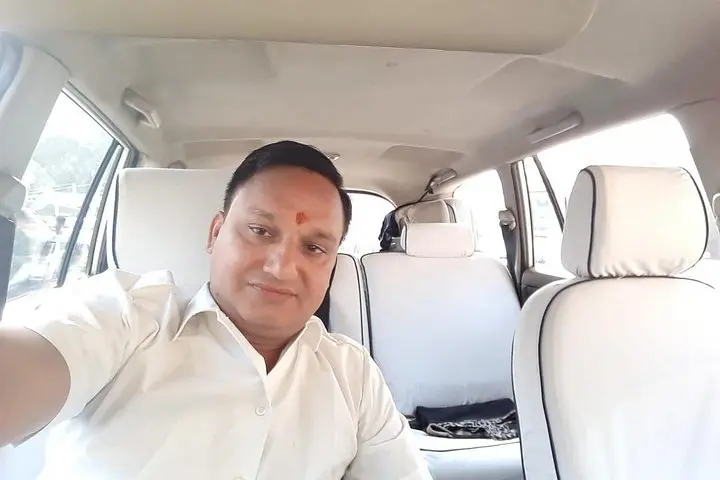
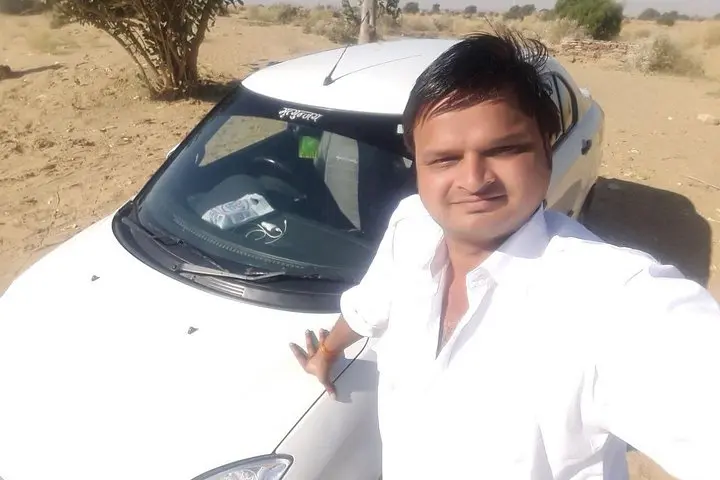
Spend a private day tracing Lucknow’s Nawabi architecture and vibrant street life. This full-day tour visits La Martiniere, Asafi Imambara, the Residency and more with an AC car and local driver-guide.
Spend a private day tracing Lucknow’s Nawabi architecture and vibrant street life. This full-day tour visits La Martiniere, Asafi Imambara, the Residency and more with an AC car and local driver-guide.
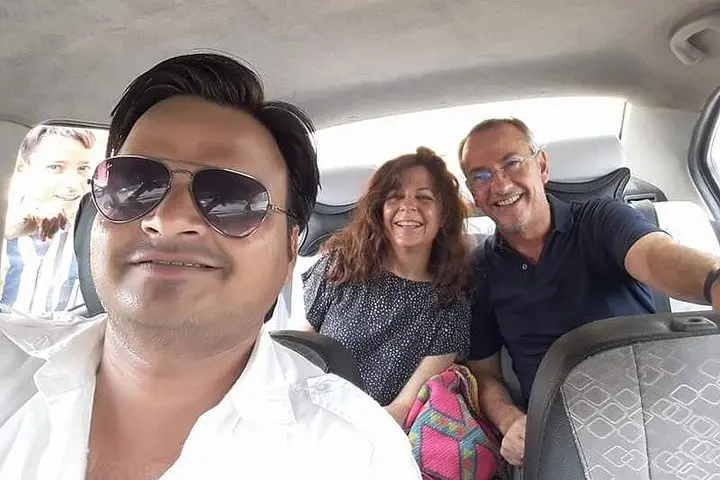
You step out of an air-conditioned car into the humid morning air of Lucknow; the Gomti River runs like a slow ribbon through the city, daring you to follow its bridges and lanes. The day moves at a steady rhythm—ornate stone facades, high arches, and broad courtyards reveal a city that built its elegance in the age of the Nawabs.
Verified experiences and guided adventures in the surrounding area.
Operated by India saying namaste Trips · Lucknow, Uttar Pradesh
You step out of an air-conditioned car into the humid morning air of Lucknow; the Gomti River runs like a slow ribbon through the city, daring you to follow its bridges and lanes. The day moves at a steady rhythm—ornate stone facades, high arches, and broad courtyards reveal a city that built its elegance in the age of the Nawabs.
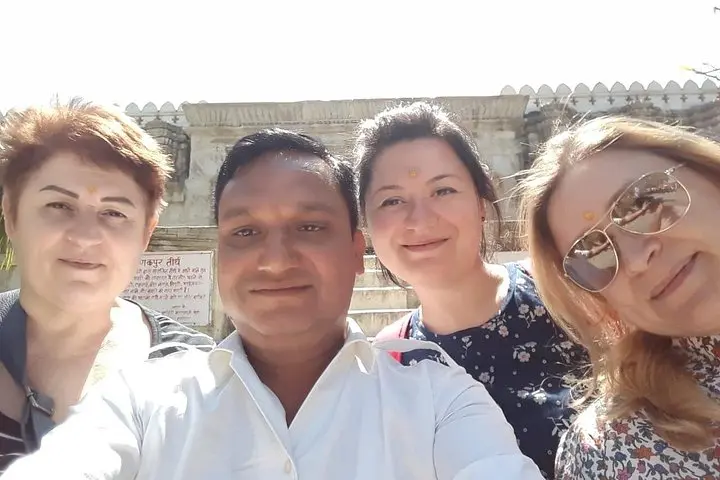
Lucknow’s streets are layered history. The Residency carries traces of 19th-century conflict and colonial architecture; Asafi (Bara) Imambara is a vaulted statement of Awadhi ambition with its famed Bhulbhulaiya (maze) overhead. La Martiniere College shows European influence in grand plaster and columns, while Dilkusha and Saadat Ali Khan’s tombs map the city’s aristocratic past. Geologically, the flat Gangetic plains mean easy walking and broad city vistas rather than steep climbs; the Gomti’s banks have shaped local neighborhoods and markets for centuries.
Culture here is tactile—Chikankari embroidery shops, fragrance of kebabs, and Urdu poetry that surfaces in tea-house conversations. Locals still observe modest dress around religious sites and move at a gentle pace through mosque courtyards.
Practical guidance: the private tour runs about 6–8 hours with pickup anywhere in Lucknow in an AC car with driver and onboard Wi‑Fi. Bring comfortable walking shoes, a light scarf for mosque visits, a refillable water bottle, and cash or a card for entry fees—verify monument opening times and ticket policies in advance. Midday can be hot in summer, so plan heavier outdoor stops for morning or late afternoon. With modest planning this tour delivers an efficient, intimate look at Lucknow’s architecture, history, and living culture.
Admission fees are typically not included—confirm when booking and have cash or card ready for entry at each site.
Pickup and drop-off are available anywhere within Lucknow city limits—provide your preferred location when booking.
Yes—tour pace is gentle with short walks; inform the operator of mobility needs so stops can be adjusted.
Language options vary—confirm the guide’s language when you book to ensure communication during the tour.
India saying namaste Trips operates guided outdoor trips and adventures with an emphasis on safety, stewardship, and memorable experiences.
You step out of an air-conditioned car into the humid morning air of Lucknow; the Gomti River runs like a slow ribbon through the city, daring you to follow its bridges and lanes. The day moves at a steady rhythm—ornate stone facades, high arches, and broad courtyards reveal a city that built its elegance in the age of the Nawabs.
You step out of an air-conditioned car into the humid morning air of Lucknow; the Gomti River runs like a slow ribbon through the city, daring you to follow its bridges and lanes. The day moves at a steady rhythm—ornate stone facades, high arches, and broad courtyards reveal a city that built its elegance in the age of the Nawabs.
Lucknow’s streets are layered history. The Residency carries traces of 19th-century conflict and colonial architecture; Asafi (Bara) Imambara is a vaulted statement of Awadhi ambition with its famed Bhulbhulaiya (maze) overhead. La Martiniere College shows European influence in grand plaster and columns, while Dilkusha and Saadat Ali Khan’s tombs map the city’s aristocratic past. Geologically, the flat Gangetic plains mean easy walking and broad city vistas rather than steep climbs; the Gomti’s banks have shaped local neighborhoods and markets for centuries.
Culture here is tactile—Chikankari embroidery shops, fragrance of kebabs, and Urdu poetry that surfaces in tea-house conversations. Locals still observe modest dress around religious sites and move at a gentle pace through mosque courtyards.
Practical guidance: the private tour runs about 6–8 hours with pickup anywhere in Lucknow in an AC car with driver and onboard Wi‑Fi. Bring comfortable walking shoes, a light scarf for mosque visits, a refillable water bottle, and cash or a card for entry fees—verify monument opening times and ticket policies in advance. Midday can be hot in summer, so plan heavier outdoor stops for morning or late afternoon. With modest planning this tour delivers an efficient, intimate look at Lucknow’s architecture, history, and living culture.