
Full-Day Private Luxor Tour – Valley of the Kings, Karnak & Luxor Temples
Spend a full day crossing Luxor’s East and West Banks with a private Egyptology guide, visiting the Valley of the Kings, Hatshepsut’s temple, the Colossi of Memnon, Luxor Temple and Karnak. Expect an 8–9 hour walking day with focused historical interpretation and hotel pickup.
An Adventure In Luxor.
Spend a full day crossing Luxor’s East and West Banks with a private Egyptology guide, visiting the Valley of the Kings, Hatshepsut’s temple, the Colossi of Memnon, Luxor Temple and Karnak. Expect an 8–9 hour walking day with focused historical interpretation and hotel pickup.
Read the full experience
You step out before dawn and the Nile pushes a cool breath across Luxor's quays, palms cutting silhouettes against a sky that brightens from ink to copper. Your guide meets you at the hotel; the day unfolds like a map of ancient power—funerary ridges, temple colonnades, and stone faces that have watched the desert for three millennia.
You step out before dawn and the Nile pushes a cool breath across Luxor's quays, palms cutting silhouettes against a sky that brightens from ink to copper. Your guide meets you at the hotel; the day unfolds like a map of ancient power—funerary ridges, temple colonnades, and stone faces that have watched the desert for three millennia.
This itinerary threads the city once called Thebes. On the West Bank, the Valley of the Kings delivers rock-cut tombs from the New Kingdom—carefully painted corridors that record funerary rites and royal names. Nearby, Queen Hatshepsut’s terraced mortuary temple rises from the limestone cliffs with clean axial lines uncommon for the period. The Colossi of Memnon stand as lonely gatekeepers to a vanished mortuary complex.
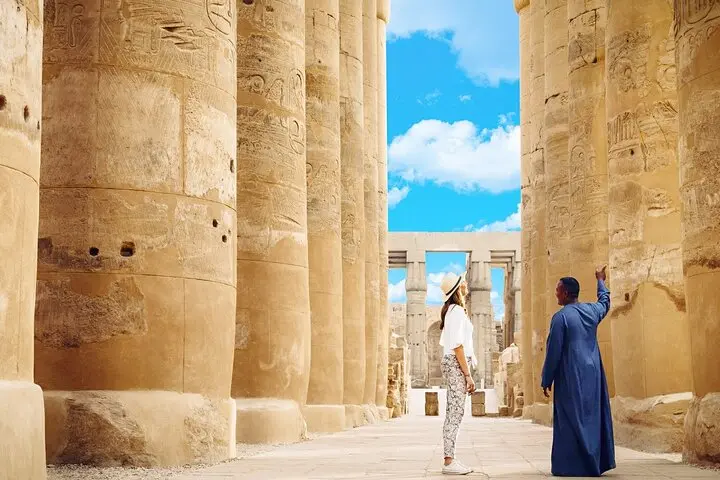
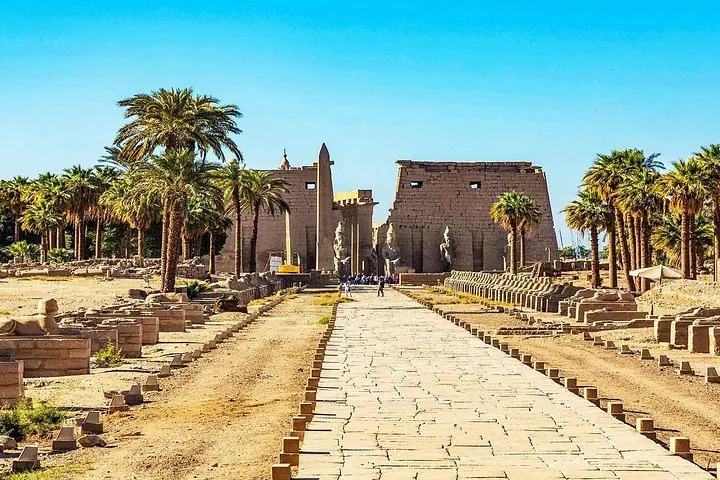
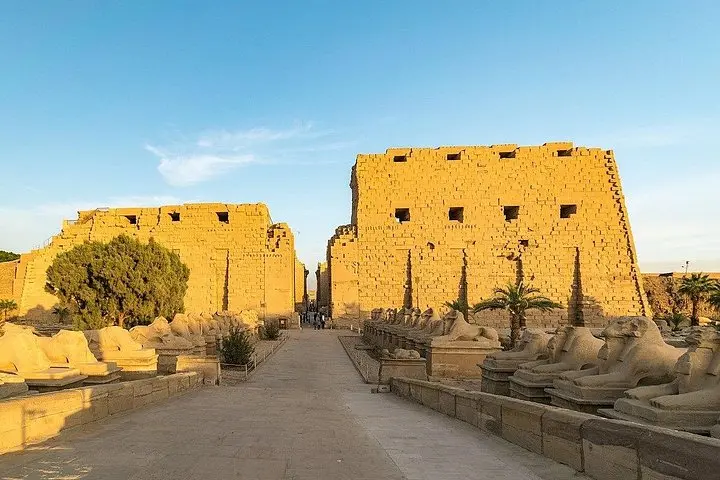
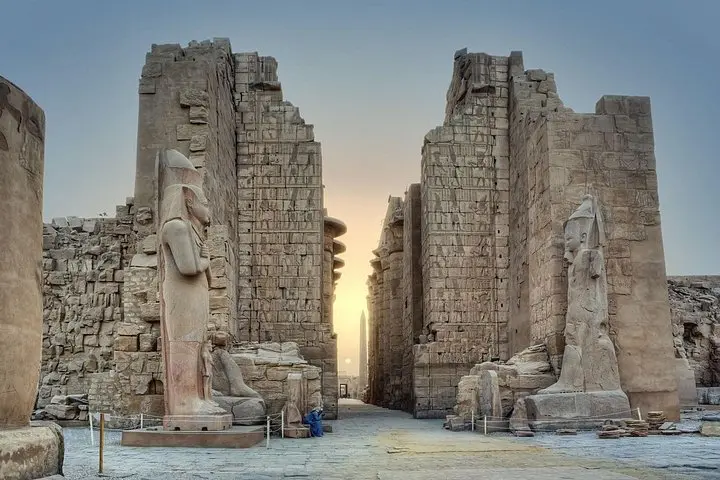
Crossing the Nile to the East Bank shifts the focus from burial to worship. Luxor Temple and Karnak form an axis of ritual architecture: open courtyards, towering pylons, and the Hypostyle Hall where columns loom like an artificial forest. These sites reveal changes in pharaonic politics, religious practice, and stone-working across dynasties.
Practical guidance: expect an 8–9 hour day with moderate walking on uneven surfaces and steps; much of the walk is exposed to sun. Bring a refillable water bottle, sun protection, and comfortable walking shoes. Entry fees for specific tombs (including Tutankhamun’s) are extra—confirm with your guide if you want those included. Plan for hotel pickup and drop-off, and carry a photocopy of your passport for entrance processing. With a licensed Egyptologist guiding the route, you'll move through history with context and pace adapted to your interests.
Frequently asked questions
Standard tour pricing covers transport and guide services; entrance tickets to specific tombs—like Tutankhamun’s—are generally extra and can be purchased on-site or arranged through your guide.
Expect several hours of walking across uneven stone surfaces and steps; the day includes short drives between sites and rest breaks.
Yes—the tour is rated easy for fitness but requires mobility for stairs and walking; request a gentler pace or additional stops when booking if needed.
Bring your passport or a photocopy for ticketing and site entry; guides often need passport details to arrange tickets and permissions.
About This Experience
Alfa Tours Egypt operates guided outdoor trips and adventures with an emphasis on safety, stewardship, and memorable experiences.
Adventure tips
Recommended gear
- Comfortable walking shoes: Provides traction and support on uneven temple stones and tomb steps.
- Wide-brim sun hat and sunglasses: Shields you from intense desert sun during open-air sections of the tour.
- Refillable water bottle: Keeps you hydrated between complimentary bottles and reduces plastic waste.
- Lightweight layers and scarf: Useful for early-morning chill, temple shade, or modest dress requirements at religious sites.
Photos of the experience
Related adventures & guides
Read the full experience
You step out before dawn and the Nile pushes a cool breath across Luxor's quays, palms cutting silhouettes against a sky that brightens from ink to copper. Your guide meets you at the hotel; the day unfolds like a map of ancient power—funerary ridges, temple colonnades, and stone faces that have watched the desert for three millennia.
You step out before dawn and the Nile pushes a cool breath across Luxor's quays, palms cutting silhouettes against a sky that brightens from ink to copper. Your guide meets you at the hotel; the day unfolds like a map of ancient power—funerary ridges, temple colonnades, and stone faces that have watched the desert for three millennia.
This itinerary threads the city once called Thebes. On the West Bank, the Valley of the Kings delivers rock-cut tombs from the New Kingdom—carefully painted corridors that record funerary rites and royal names. Nearby, Queen Hatshepsut’s terraced mortuary temple rises from the limestone cliffs with clean axial lines uncommon for the period. The Colossi of Memnon stand as lonely gatekeepers to a vanished mortuary complex.
Crossing the Nile to the East Bank shifts the focus from burial to worship. Luxor Temple and Karnak form an axis of ritual architecture: open courtyards, towering pylons, and the Hypostyle Hall where columns loom like an artificial forest. These sites reveal changes in pharaonic politics, religious practice, and stone-working across dynasties.
Practical guidance: expect an 8–9 hour day with moderate walking on uneven surfaces and steps; much of the walk is exposed to sun. Bring a refillable water bottle, sun protection, and comfortable walking shoes. Entry fees for specific tombs (including Tutankhamun’s) are extra—confirm with your guide if you want those included. Plan for hotel pickup and drop-off, and carry a photocopy of your passport for entrance processing. With a licensed Egyptologist guiding the route, you'll move through history with context and pace adapted to your interests.
Make a day of it nearby.
Verified experiences and guided adventures in the surrounding area.