THE ADVENTURE COLLECTIVE® · Independent discovery and booking for outdoor travel

Experience Meteora’s cliff-top monasteries and dramatic sandstone towers on a private full-day trip from Athens. Spend the day exploring three monasteries, enjoy Kastraki’s local cuisine, and visit Thermopylae on the return.
Experience Meteora’s cliff-top monasteries and dramatic sandstone towers on a private full-day trip from Athens. Spend the day exploring three monasteries, enjoy Kastraki’s local cuisine, and visit Thermopylae on the return.
You arrive before the sun climbs high over the Thessaly plain and the rock pillars of Meteora stand like ancient sentinels mottled with shadow. The road from Athens unwinds through olive groves and low hills, then the valley opens and massive sandstone columns rise abruptly, their sheer faces cut by time and weather. Walking among them, the world feels scaled differently—vertical cliffs, narrow switchback stairs, and compact courtyards where monks once hauled supplies by rope.
Verified experiences and guided adventures in the surrounding area.
Operated by Athens Transfer · Kalabaka, Thessaly
You arrive before the sun climbs high over the Thessaly plain and the rock pillars of Meteora stand like ancient sentinels mottled with shadow. The road from Athens unwinds through olive groves and low hills, then the valley opens and massive sandstone columns rise abruptly, their sheer faces cut by time and weather. Walking among them, the world feels scaled differently—vertical cliffs, narrow switchback stairs, and compact courtyards where monks once hauled supplies by rope.
Meteora’s story begins with hermits in the 11th century and culminates with the 14th–16th century monasteries clinging to rooftop crags. Geologically, rivers and wind carved these conglomerate towers from Neogene sediments; the result is stone that crumbles underfoot yet supports centuries-old masonry. Kastraki and Kalabaka—small villages at the base—supply traditional tavernas and the local character that balances the spiritual hush with regional warmth.
Expect three monastery visits, each with steep steps, narrow balconies, and museum rooms displaying icons and vestments. Guides typically explain Byzantine liturgy, Ottoman-era survival, and the monastic rules that shaped daily life. On the return, a stop at Thermopylae adds a contrasting open battlefield where history reads in bronze—Leonidas’ statue and the narrow pass that slowed an empire.
Practicalities: dress modestly for monastery entry (women long skirts or offered wraps), bring sturdy shoes for uneven steps, and allow 12–13 hours for a full-day private tour. Hydrate, plan for sun and wind on exposed viewpoints, and carry small cash for entry fees and local snacks. A private tour removes logistics stress but keep a flexible pace to savor the views and the quiet that makes Meteora singular.
The itinerary runs about 12–13 hours round trip; departures typically early morning with return to Athens in the evening.
Monastery admissions are usually paid on site; the private tour organizes visits but admission fees are generally not included unless specified.
Children can join but stairs and narrow walkways make parts challenging; travelers with limited mobility should check accessibility—many monasteries require stair climbing.
If you don’t have modest clothing, most sites provide wraps or skirts for women—bringing your own ensures a quicker entry process.
Athens Transfer operates guided outdoor trips and adventures with an emphasis on safety, stewardship, and memorable experiences.
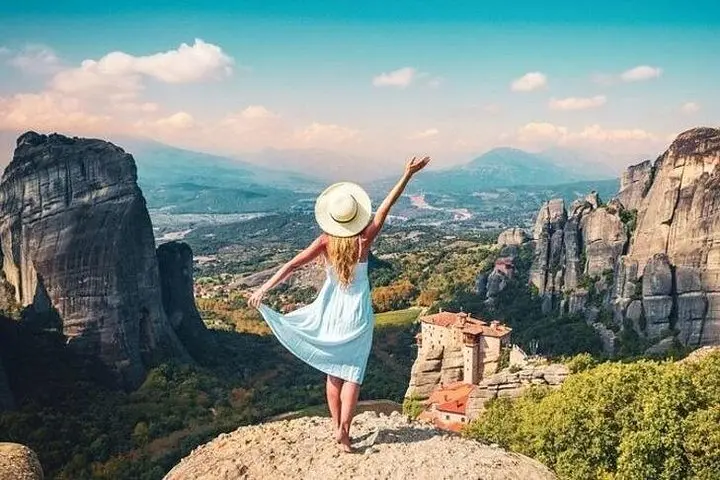
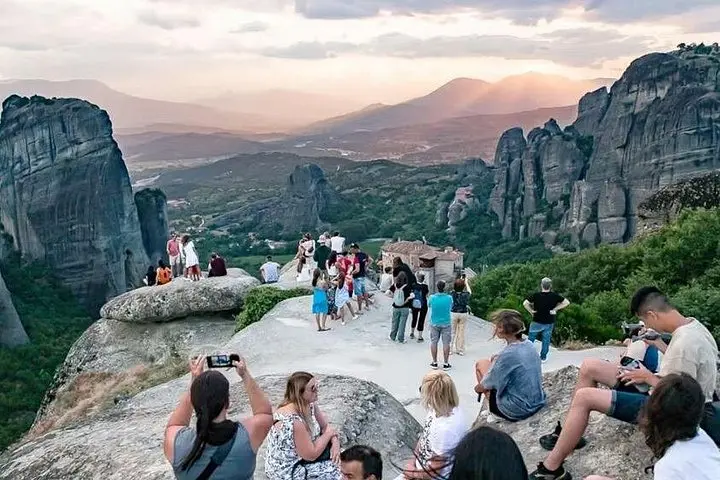
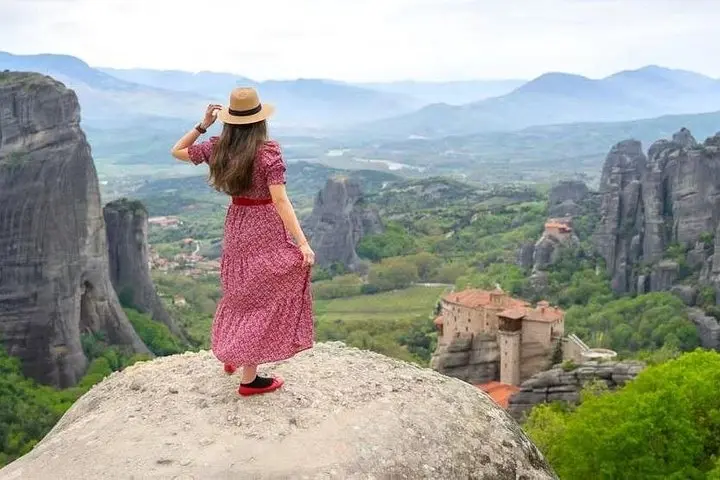
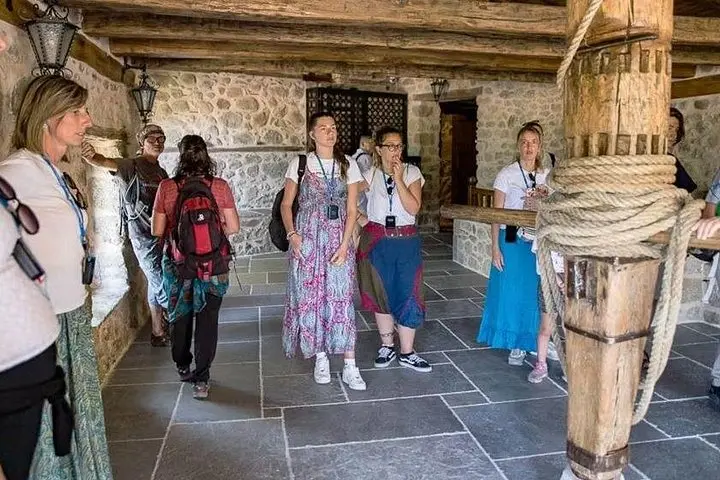
You arrive before the sun climbs high over the Thessaly plain and the rock pillars of Meteora stand like ancient sentinels mottled with shadow. The road from Athens unwinds through olive groves and low hills, then the valley opens and massive sandstone columns rise abruptly, their sheer faces cut by time and weather. Walking among them, the world feels scaled differently—vertical cliffs, narrow switchback stairs, and compact courtyards where monks once hauled supplies by rope.
You arrive before the sun climbs high over the Thessaly plain and the rock pillars of Meteora stand like ancient sentinels mottled with shadow. The road from Athens unwinds through olive groves and low hills, then the valley opens and massive sandstone columns rise abruptly, their sheer faces cut by time and weather. Walking among them, the world feels scaled differently—vertical cliffs, narrow switchback stairs, and compact courtyards where monks once hauled supplies by rope.
Meteora’s story begins with hermits in the 11th century and culminates with the 14th–16th century monasteries clinging to rooftop crags. Geologically, rivers and wind carved these conglomerate towers from Neogene sediments; the result is stone that crumbles underfoot yet supports centuries-old masonry. Kastraki and Kalabaka—small villages at the base—supply traditional tavernas and the local character that balances the spiritual hush with regional warmth.
Expect three monastery visits, each with steep steps, narrow balconies, and museum rooms displaying icons and vestments. Guides typically explain Byzantine liturgy, Ottoman-era survival, and the monastic rules that shaped daily life. On the return, a stop at Thermopylae adds a contrasting open battlefield where history reads in bronze—Leonidas’ statue and the narrow pass that slowed an empire.
Practicalities: dress modestly for monastery entry (women long skirts or offered wraps), bring sturdy shoes for uneven steps, and allow 12–13 hours for a full-day private tour. Hydrate, plan for sun and wind on exposed viewpoints, and carry small cash for entry fees and local snacks. A private tour removes logistics stress but keep a flexible pace to savor the views and the quiet that makes Meteora singular.