THE ADVENTURE COLLECTIVE® · Independent discovery and booking for outdoor travel

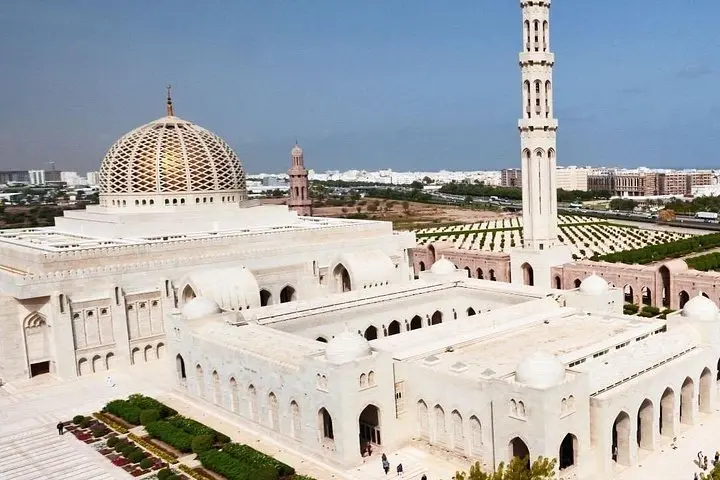
Cover Muscat’s top sights in a single private day: from the grandeur of Sultan Qaboos Grand Mosque to the winding lanes of Muttrah Souq and coastal forts. This practical tour gives travelers a concise, well-paced introduction to the city’s history, culture, and landscapes.
Cover Muscat’s top sights in a single private day: from the grandeur of Sultan Qaboos Grand Mosque to the winding lanes of Muttrah Souq and coastal forts. This practical tour gives travelers a concise, well-paced introduction to the city’s history, culture, and landscapes.
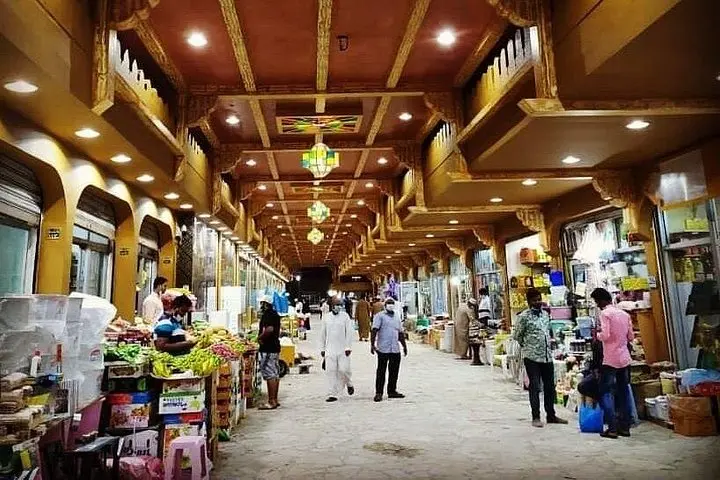
Morning light slides across Muscat’s low white buildings and the sea pushes up along the corniche like a patient guest. Travelers meet a private driver and step into air-conditioned comfort, moving from wide coastal roads to the spice-scented alleys of Muttrah Souq in a single day.
Verified experiences and guided adventures in the surrounding area.
Operated by Alezz international travel and tourism · Muscat, Muscat
Morning light slides across Muscat’s low white buildings and the sea pushes up along the corniche like a patient guest. Travelers meet a private driver and step into air-conditioned comfort, moving from wide coastal roads to the spice-scented alleys of Muttrah Souq in a single day.
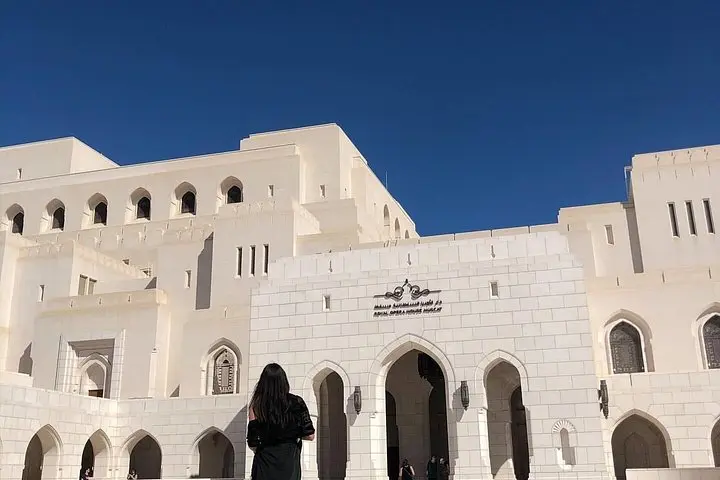
The route stitches together Muscat’s layers: a fishing port that grew into an empire-facing harbor, 18th- and 19th-century forts that once watched the Gulf for corsairs, and modern national projects commissioned by Sultan Qaboos that reoriented Oman toward arts and diplomacy. Geologically, the city sits where hard Hajar foothills drop to the Arabian Sea, so views alternate between rocky ridgelines and flat, reflective salt flats and beaches.
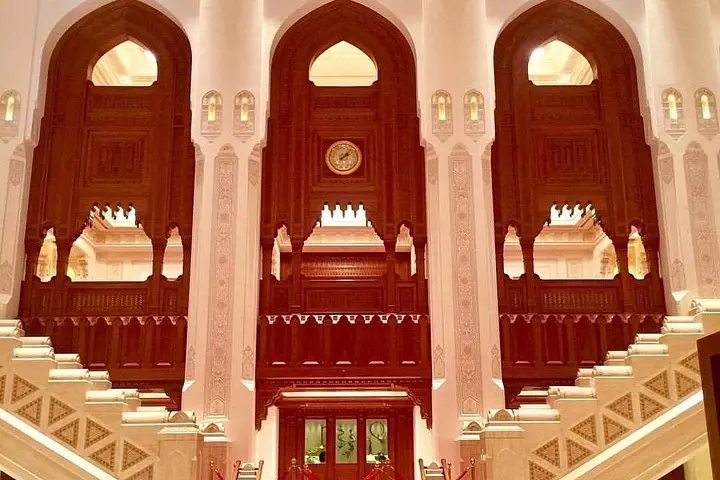
Culturally, the day tour samples mosque architecture, royal palaces (viewed from outside), coastal forts, and a museum or two—each stop offering a curated window into Omani life, from frankincense trade to maritime craft. The driver’s pacing lets visitors linger at the souq’s alleys, scan fort walls, and sip coffee with the sea in earshot.
Practical guidance: wear a conservative outfit for mosque visits (long sleeves and long pants or a modest dress), comfortable shoes for walking cobblestones, and a sun hat—Muscat’s sun is direct even in shoulder seasons. Carry a copy of your passport for some entrances, and budget time for traffic near the corniche during late afternoon. Hydrate frequently; bottled water is usually provided, but bringing a refillable bottle reduces waste. For photographers, aim for early morning or late afternoon light to avoid harsh shadows and to catch the city when the sea and mountains are most expressive.
Most tours include stops at the mosque for external viewing and interior visits where allowed; dress code must be observed and some sections may be closed during prayer times.
As a private tour, the route is typically flexible—confirm priorities with the operator before departure to adjust timing or skip stops.
This tour’s inclusions note private transportation and bottled water; specific admission fees are often not included—check the booking details or bring local currency for entry fees.
The operator lists wheelchair accessibility for vehicles, but some historic sites and forts have uneven terrain and stairs—confirm accessible site options ahead of time.
Alezz international travel and tourism operates guided outdoor trips and adventures with an emphasis on safety, stewardship, and memorable experiences.
Morning light slides across Muscat’s low white buildings and the sea pushes up along the corniche like a patient guest. Travelers meet a private driver and step into air-conditioned comfort, moving from wide coastal roads to the spice-scented alleys of Muttrah Souq in a single day.
Morning light slides across Muscat’s low white buildings and the sea pushes up along the corniche like a patient guest. Travelers meet a private driver and step into air-conditioned comfort, moving from wide coastal roads to the spice-scented alleys of Muttrah Souq in a single day.
The route stitches together Muscat’s layers: a fishing port that grew into an empire-facing harbor, 18th- and 19th-century forts that once watched the Gulf for corsairs, and modern national projects commissioned by Sultan Qaboos that reoriented Oman toward arts and diplomacy. Geologically, the city sits where hard Hajar foothills drop to the Arabian Sea, so views alternate between rocky ridgelines and flat, reflective salt flats and beaches.
Culturally, the day tour samples mosque architecture, royal palaces (viewed from outside), coastal forts, and a museum or two—each stop offering a curated window into Omani life, from frankincense trade to maritime craft. The driver’s pacing lets visitors linger at the souq’s alleys, scan fort walls, and sip coffee with the sea in earshot.
Practical guidance: wear a conservative outfit for mosque visits (long sleeves and long pants or a modest dress), comfortable shoes for walking cobblestones, and a sun hat—Muscat’s sun is direct even in shoulder seasons. Carry a copy of your passport for some entrances, and budget time for traffic near the corniche during late afternoon. Hydrate frequently; bottled water is usually provided, but bringing a refillable bottle reduces waste. For photographers, aim for early morning or late afternoon light to avoid harsh shadows and to catch the city when the sea and mountains are most expressive.