THE ADVENTURE COLLECTIVE® · Independent discovery and booking for outdoor travel

Spend a day inside Ngorongoro Caldera watching elephants, lions, and Maasai herds against a dramatic volcanic rim. This private full-day safari pairs concentrated wildlife viewing with cultural context, ideal for travelers short on time.
Spend a day inside Ngorongoro Caldera watching elephants, lions, and Maasai herds against a dramatic volcanic rim. This private full-day safari pairs concentrated wildlife viewing with cultural context, ideal for travelers short on time.
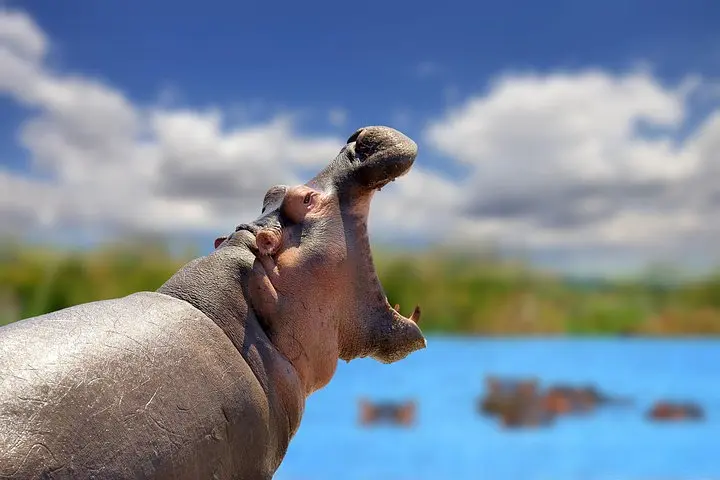
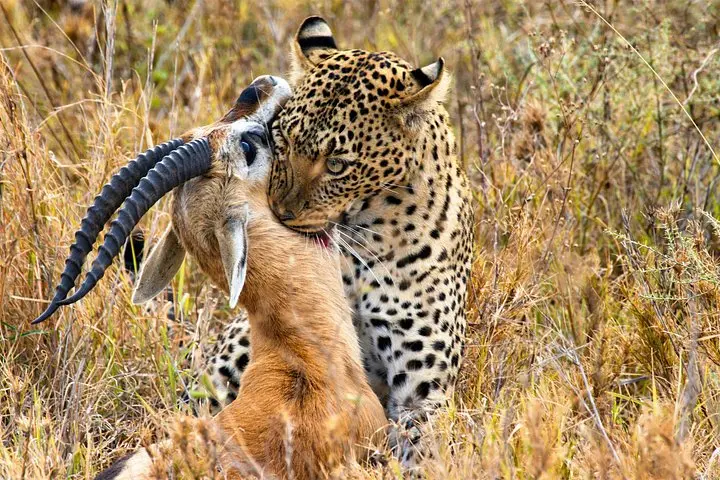
You drop over the rim at dawn and the crater opens like an amphitheater — steep walls of volcanic rock plunging to a green floor where herds move with slow purpose. Early light slants across tall grasses; buffalo nose the mist, and distant lions mark territory behind termite mounds. The drive becomes a study in patient watching: every rise can reveal ears, tusks, or a flash of striped flank.
Verified experiences and guided adventures in the surrounding area.
Operated by Maasai Boy Adventures. · Karatu, Arusha Region
You drop over the rim at dawn and the crater opens like an amphitheater — steep walls of volcanic rock plunging to a green floor where herds move with slow purpose. Early light slants across tall grasses; buffalo nose the mist, and distant lions mark territory behind termite mounds. The drive becomes a study in patient watching: every rise can reveal ears, tusks, or a flash of striped flank.
Ngorongoro is a collapsed volcanic caldera formed millions of years ago; its enclosed basin creates a self-contained ecosystem where predators and prey coexist with grazing Maasai herds. The conservation area sits alongside Olduvai Gorge, a key archaeological site in human evolution, and includes smaller features like Empakaai Crater and Lerai Forest — each with distinct soils, water sources, and birdlife.
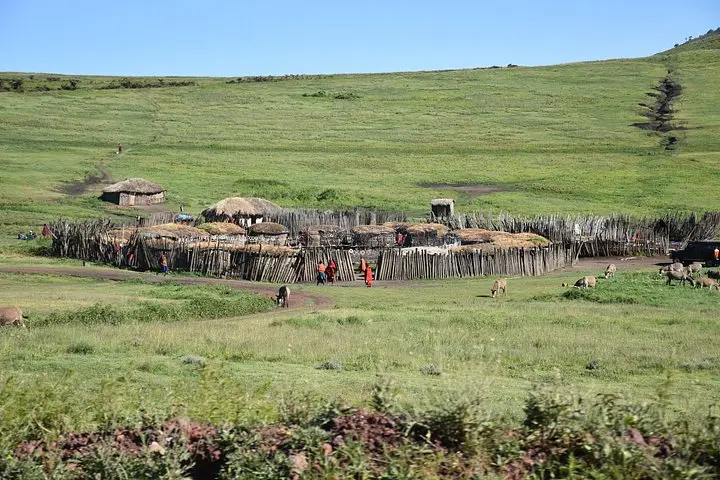
Culturally, Maasai pastoralism remains visible on the plateau above the rim, and many safaris fold short cultural visits into their itineraries. Geologically the caldera’s rim channels weather and water into a mosaic of wet and dry habitats, concentrating wildlife and making sightings reliable if you go early and stay alert.
Practically: expect a long day (transfers + crater time can total 10+ hours), dust, and short walks from the vehicle. Book a private 4x4, sit high for views, bring water and sun protection, and keep cameras ready with a 200–400mm lens for close-up shots. Respect local guides and Maasai customs, stay in the vehicle unless instructed otherwise, and plan your visit from a base like Karatu or Arusha for lodge options and easy transfers.
This tour lists fees and taxes as included and provides lunch—confirm at booking for any third-party extras.
Typical transfers are 3–4 hours each way from Arusha depending on road conditions; many guests base in Karatu to shorten travel time.
Ngorongoro supports the Big Five and wildlife concentrations are high, but sightings cannot be guaranteed—early starts and an experienced driver improve odds.
The route is family-friendly with mostly vehicle-based viewing; consider the long day and bumpy roads when traveling with very young children or mobility limitations.
Maasai Boy Adventures. operates guided outdoor trips and adventures with an emphasis on safety, stewardship, and memorable experiences.
You drop over the rim at dawn and the crater opens like an amphitheater — steep walls of volcanic rock plunging to a green floor where herds move with slow purpose. Early light slants across tall grasses; buffalo nose the mist, and distant lions mark territory behind termite mounds. The drive becomes a study in patient watching: every rise can reveal ears, tusks, or a flash of striped flank.
You drop over the rim at dawn and the crater opens like an amphitheater — steep walls of volcanic rock plunging to a green floor where herds move with slow purpose. Early light slants across tall grasses; buffalo nose the mist, and distant lions mark territory behind termite mounds. The drive becomes a study in patient watching: every rise can reveal ears, tusks, or a flash of striped flank.
Ngorongoro is a collapsed volcanic caldera formed millions of years ago; its enclosed basin creates a self-contained ecosystem where predators and prey coexist with grazing Maasai herds. The conservation area sits alongside Olduvai Gorge, a key archaeological site in human evolution, and includes smaller features like Empakaai Crater and Lerai Forest — each with distinct soils, water sources, and birdlife.
Culturally, Maasai pastoralism remains visible on the plateau above the rim, and many safaris fold short cultural visits into their itineraries. Geologically the caldera’s rim channels weather and water into a mosaic of wet and dry habitats, concentrating wildlife and making sightings reliable if you go early and stay alert.
Practically: expect a long day (transfers + crater time can total 10+ hours), dust, and short walks from the vehicle. Book a private 4x4, sit high for views, bring water and sun protection, and keep cameras ready with a 200–400mm lens for close-up shots. Respect local guides and Maasai customs, stay in the vehicle unless instructed otherwise, and plan your visit from a base like Karatu or Arusha for lodge options and easy transfers.