THE ADVENTURE COLLECTIVE® · Independent discovery and booking for outdoor travel

Cross the High Atlas for a day of fortified kasbahs, Hollywood-sized deserts and rooftop views at Ait Ben Haddou. This private full-day trip from Marrakech pairs cinematic history with Berber architecture and steady mountain roads—perfect for travelers who want culture, geology and big landscapes in one long day.
Cross the High Atlas for a day of fortified kasbahs, Hollywood-sized deserts and rooftop views at Ait Ben Haddou. This private full-day trip from Marrakech pairs cinematic history with Berber architecture and steady mountain roads—perfect for travelers who want culture, geology and big landscapes in one long day.
A dawn departure from Marrakech pushes you up and over the High Atlas, where the road cleaves through wind-sculpted rock and the Tichka Pass offers a first clear breath of desert air. Light hits the mudbrick walls of Ait Ben Haddou like an old film filter; narrow alleys thread between stepped houses, and a hilltop kasbah watches the valley below.
Verified experiences and guided adventures in the surrounding area.
Operated by BOOKING LINKS · Ouarzazate, Drâa-Tafilalet
A dawn departure from Marrakech pushes you up and over the High Atlas, where the road cleaves through wind-sculpted rock and the Tichka Pass offers a first clear breath of desert air. Light hits the mudbrick walls of Ait Ben Haddou like an old film filter; narrow alleys thread between stepped houses, and a hilltop kasbah watches the valley below.
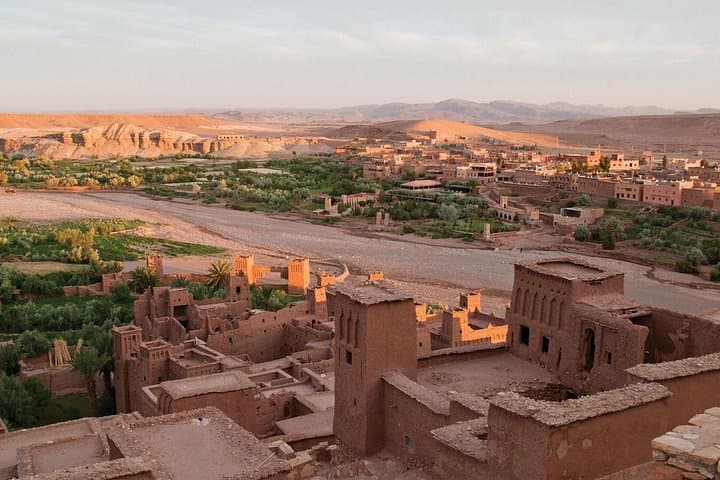
This route has long been a crossroad: caravans and mountain tribes moved goods here for centuries, and the fortified ksour (collective villages) reflect earthen architecture designed to manage scarce water and extreme temperature swings. The geology shifts quickly—red and ochre strata give way to broad alluvial plains around Ouarzazate, where film studios turn raw landscape into history and myth.
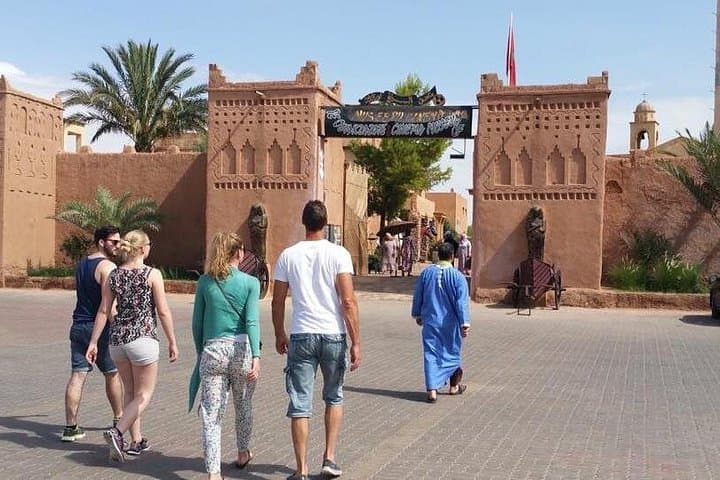
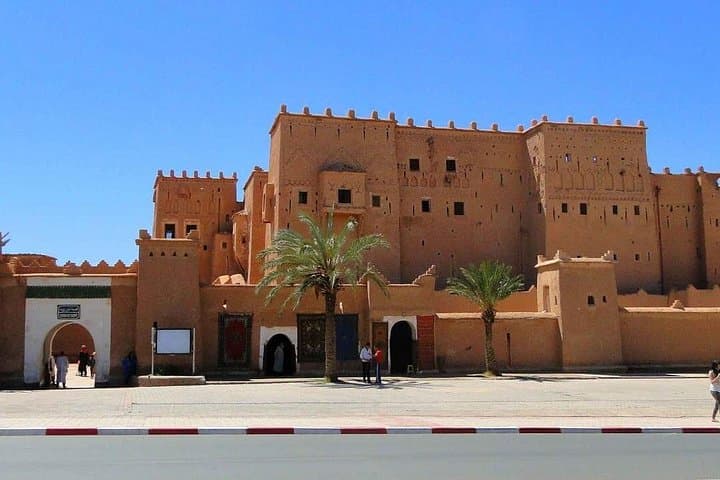
Culturally, expect Berber hospitality, simple roadside tagines, and local guides who translate both language and landscape. Ait Ben Haddou is a UNESCO World Heritage site; Ouarzazate’s Taourirt Kasbah and Atlas Film Studios showcase Morocco’s cinematic chapter.
Practical guidance: this is a long day—plan for 10–12 hours including driving. Wear sturdy walking shoes for uneven cobbles, sun protection, and layers for cool mountain mornings and hot valley afternoons. Bring cash for museum or optional entrance fees and modest tips. Photography is excellent from the village rooftops and the viewpoint across the river; follow posted routes to protect fragile mud-brick structures. Expect periods of slow-moving traffic on the pass in high season and occasional weather-related closures in winter. A private transfer gives flexibility for rest stops—use them to stretch legs, hydrate, and take in the wide, open light that makes this corridor one of Morocco’s most cinematic drives.
Expect roughly 3–4 hours each way depending on stops and traffic; total trip time is about 10–12 hours including visits.
Some tour packages include admission; verify with the operator—budget extra cash if not included.
Yes—walking is limited and the tour is rated easy, but the day is long and involves vehicle travel over mountain roads; consider individual mobility needs.
Private tours typically allow flexibility for extra stops, longer time at sites, or different lunch options—confirm at booking.
BOOKING LINKS operates guided outdoor trips and adventures with an emphasis on safety, stewardship, and memorable experiences.
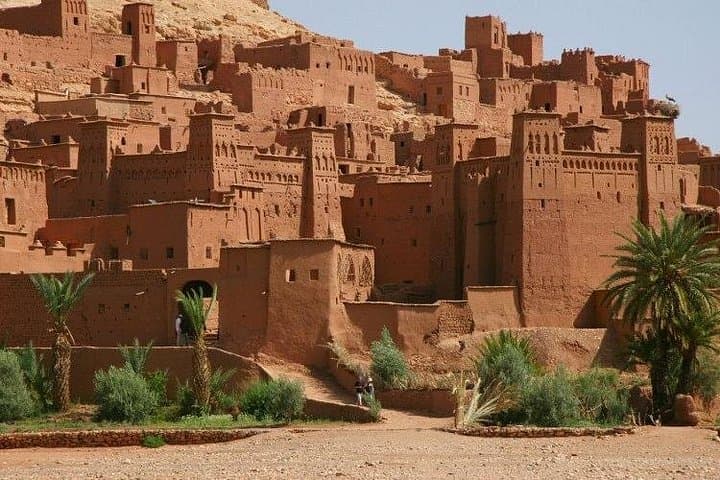
A dawn departure from Marrakech pushes you up and over the High Atlas, where the road cleaves through wind-sculpted rock and the Tichka Pass offers a first clear breath of desert air. Light hits the mudbrick walls of Ait Ben Haddou like an old film filter; narrow alleys thread between stepped houses, and a hilltop kasbah watches the valley below.
A dawn departure from Marrakech pushes you up and over the High Atlas, where the road cleaves through wind-sculpted rock and the Tichka Pass offers a first clear breath of desert air. Light hits the mudbrick walls of Ait Ben Haddou like an old film filter; narrow alleys thread between stepped houses, and a hilltop kasbah watches the valley below.
This route has long been a crossroad: caravans and mountain tribes moved goods here for centuries, and the fortified ksour (collective villages) reflect earthen architecture designed to manage scarce water and extreme temperature swings. The geology shifts quickly—red and ochre strata give way to broad alluvial plains around Ouarzazate, where film studios turn raw landscape into history and myth.
Culturally, expect Berber hospitality, simple roadside tagines, and local guides who translate both language and landscape. Ait Ben Haddou is a UNESCO World Heritage site; Ouarzazate’s Taourirt Kasbah and Atlas Film Studios showcase Morocco’s cinematic chapter.
Practical guidance: this is a long day—plan for 10–12 hours including driving. Wear sturdy walking shoes for uneven cobbles, sun protection, and layers for cool mountain mornings and hot valley afternoons. Bring cash for museum or optional entrance fees and modest tips. Photography is excellent from the village rooftops and the viewpoint across the river; follow posted routes to protect fragile mud-brick structures. Expect periods of slow-moving traffic on the pass in high season and occasional weather-related closures in winter. A private transfer gives flexibility for rest stops—use them to stretch legs, hydrate, and take in the wide, open light that makes this corridor one of Morocco’s most cinematic drives.