THE ADVENTURE COLLECTIVE® · Independent discovery and booking for outdoor travel

Spend seven hours sampling Rio’s showstoppers: Christ the Redeemer, Sugarloaf, Lapa’s colorful steps and city highlights with hotel or airport pick-up. This private tour combines short walks, cable-car rides and panoramic lookouts for an efficient, photo-ready day.
Spend seven hours sampling Rio’s showstoppers: Christ the Redeemer, Sugarloaf, Lapa’s colorful steps and city highlights with hotel or airport pick-up. This private tour combines short walks, cable-car rides and panoramic lookouts for an efficient, photo-ready day.
You begin with the city at your windows — Atlantic light on Copacabana, traffic humming, and the green back of Tijuca rising like a living wall. The cog train climbs toward Corcovado and Christ the Redeemer, where the statue stands watch over Guanabara Bay and the forest seems to breathe around you. Later the cable car spiders up Sugarloaf, offering a different angle on the same sweep of beaches, mountains and city.
Verified experiences and guided adventures in the surrounding area.
Operated by Gregtur Turismo · Rio de Janeiro, Rio de Janeiro
You begin with the city at your windows — Atlantic light on Copacabana, traffic humming, and the green back of Tijuca rising like a living wall. The cog train climbs toward Corcovado and Christ the Redeemer, where the statue stands watch over Guanabara Bay and the forest seems to breathe around you. Later the cable car spiders up Sugarloaf, offering a different angle on the same sweep of beaches, mountains and city.
This route threads Rio’s modern and colonial history: the iconic Christ statue (completed 1931) and Sugarloaf’s granite monoliths shaped by ancient geology and sea-level shifts. Lapa’s Selarón Steps are a recent cultural landmark—tiles by Jorge Selarón—while the Sambódromo and Maracanã speak to Brazil’s deep football and Carnival passions. Porto Maravilha and the Museum of Tomorrow show the city’s contemporary turn after the Olympic-era investments.
Expect mostly vehicle transfers with short, steep walks at viewpoint sites; the Corcovado approach includes a cogwheel train and stair climb to the pedestal, Sugarloaf needs two cable-car legs and short rockier paths. Weather can flip fast — sun, spray and sudden showers. Bring sun protection, a refillable water bottle, and shoes suited for pavement and cobbled steps.
Practical notes: airport and port pick-ups are coordinated; allow time for traffic and security at cruise terminals. Lunch isn’t included but plentiful options exist in Urca and Copacabana. This private format suits travelers of varied fitness and lets you set photographic stops, cultural questions and pacing. In the city that presses between ocean and forest, nature still has a say — winds off the bay push you toward the lookout and the forest keeps its own quiet.
Admissions and cable-car tickets are typically not included—confirm with the operator and budget separately for both sites.
Yes; the tour includes meet-and-greet at Rio airports and ports—provide flight or cruise details so staff can meet you in arrivals.
Accessibility varies by site: vehicle transfers are provided, but some viewpoints require stairs or narrow paths; contact the operator to discuss specific mobility needs.
Tipping is customary but discretionary; 10–15% for a guide who provides excellent service is a common guideline.
Gregtur Turismo operates guided outdoor trips and adventures with an emphasis on safety, stewardship, and memorable experiences.
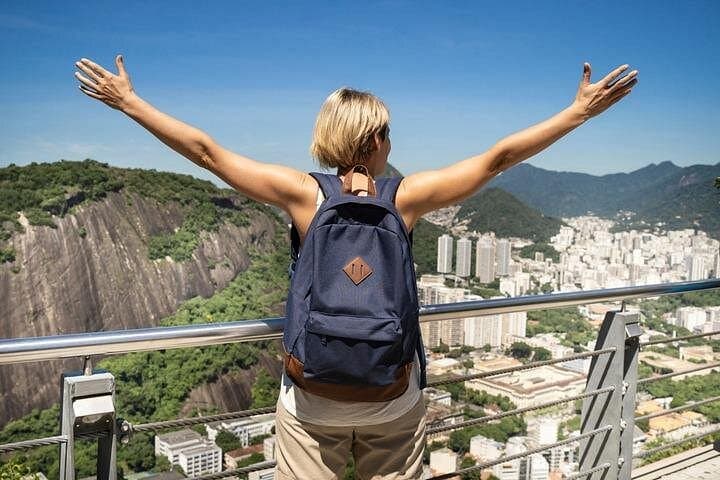
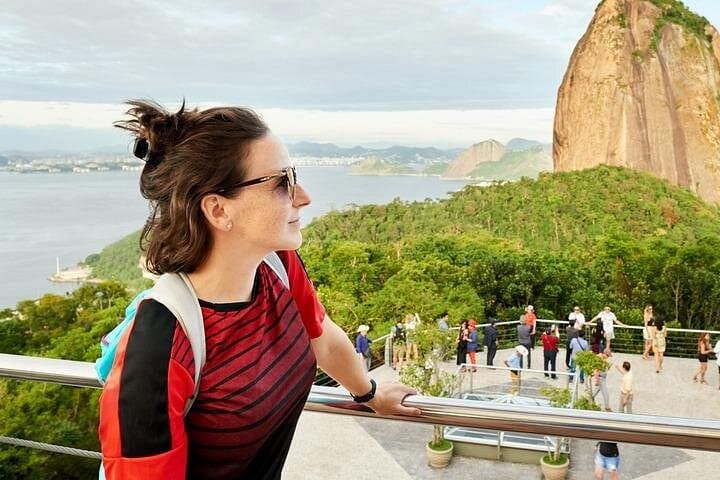
You begin with the city at your windows — Atlantic light on Copacabana, traffic humming, and the green back of Tijuca rising like a living wall. The cog train climbs toward Corcovado and Christ the Redeemer, where the statue stands watch over Guanabara Bay and the forest seems to breathe around you. Later the cable car spiders up Sugarloaf, offering a different angle on the same sweep of beaches, mountains and city.
You begin with the city at your windows — Atlantic light on Copacabana, traffic humming, and the green back of Tijuca rising like a living wall. The cog train climbs toward Corcovado and Christ the Redeemer, where the statue stands watch over Guanabara Bay and the forest seems to breathe around you. Later the cable car spiders up Sugarloaf, offering a different angle on the same sweep of beaches, mountains and city.
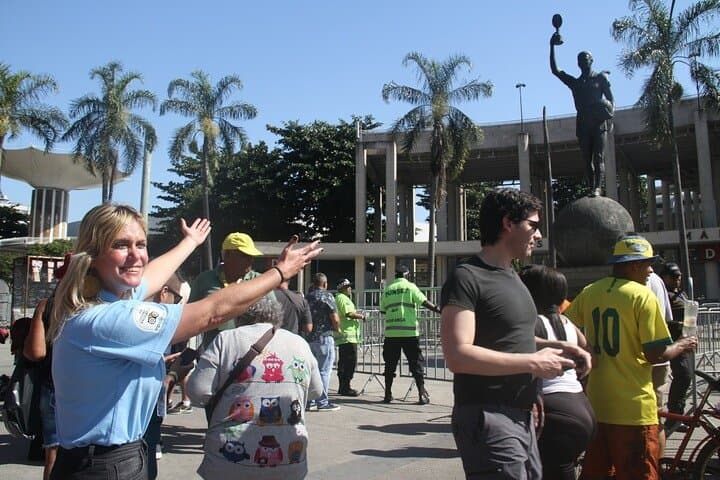
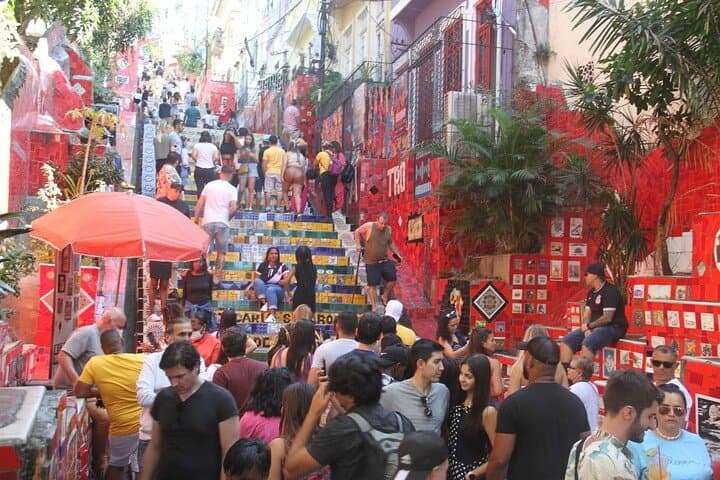
This route threads Rio’s modern and colonial history: the iconic Christ statue (completed 1931) and Sugarloaf’s granite monoliths shaped by ancient geology and sea-level shifts. Lapa’s Selarón Steps are a recent cultural landmark—tiles by Jorge Selarón—while the Sambódromo and Maracanã speak to Brazil’s deep football and Carnival passions. Porto Maravilha and the Museum of Tomorrow show the city’s contemporary turn after the Olympic-era investments.
Expect mostly vehicle transfers with short, steep walks at viewpoint sites; the Corcovado approach includes a cogwheel train and stair climb to the pedestal, Sugarloaf needs two cable-car legs and short rockier paths. Weather can flip fast — sun, spray and sudden showers. Bring sun protection, a refillable water bottle, and shoes suited for pavement and cobbled steps.
Practical notes: airport and port pick-ups are coordinated; allow time for traffic and security at cruise terminals. Lunch isn’t included but plentiful options exist in Urca and Copacabana. This private format suits travelers of varied fitness and lets you set photographic stops, cultural questions and pacing. In the city that presses between ocean and forest, nature still has a say — winds off the bay push you toward the lookout and the forest keeps its own quiet.