THE ADVENTURE COLLECTIVE® · Independent discovery and booking for outdoor travel

Make the long road from Aswan worth it: a private, full-day tour that compresses Luxor’s East and West Bank highlights into a single, expertly guided itinerary. Expect tomb-cut tunnels, towering pylons, and a deep dive into New Kingdom Egypt—with AC transfers and lunch included.
Make the long road from Aswan worth it: a private, full-day tour that compresses Luxor’s East and West Bank highlights into a single, expertly guided itinerary. Expect tomb-cut tunnels, towering pylons, and a deep dive into New Kingdom Egypt—with AC transfers and lunch included.
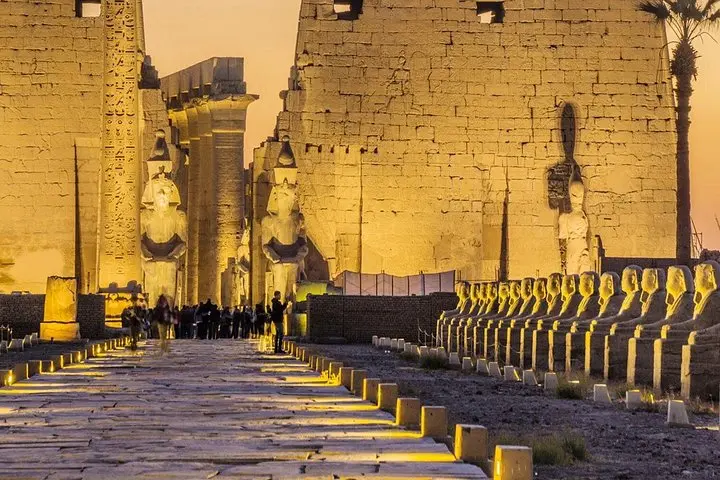
You leave Aswan before dawn, the road north cutting through the Nile Valley as the river dares you to keep pace. Palms blur, small villages blink awake, and by mid-morning the temple pylons of Karnak rise from the heat-hazed plain like stone ships on a sea of sand.
Verified experiences and guided adventures in the surrounding area.
Operated by Egypt Sunny Tours · Luxor, Luxor Governorate
You leave Aswan before dawn, the road north cutting through the Nile Valley as the river dares you to keep pace. Palms blur, small villages blink awake, and by mid-morning the temple pylons of Karnak rise from the heat-hazed plain like stone ships on a sea of sand.
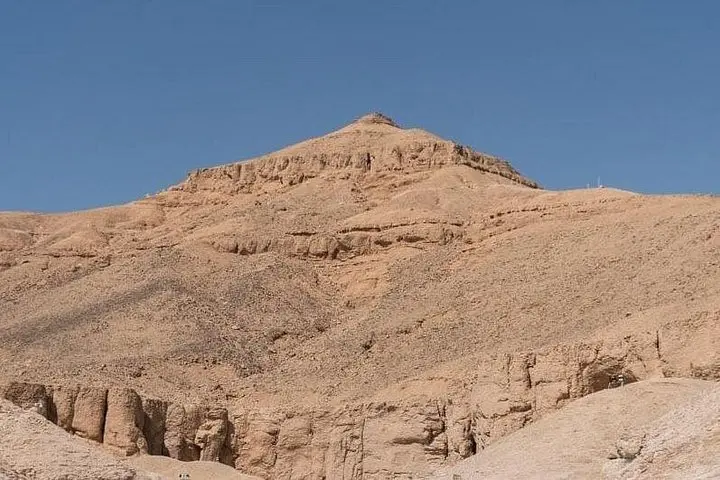
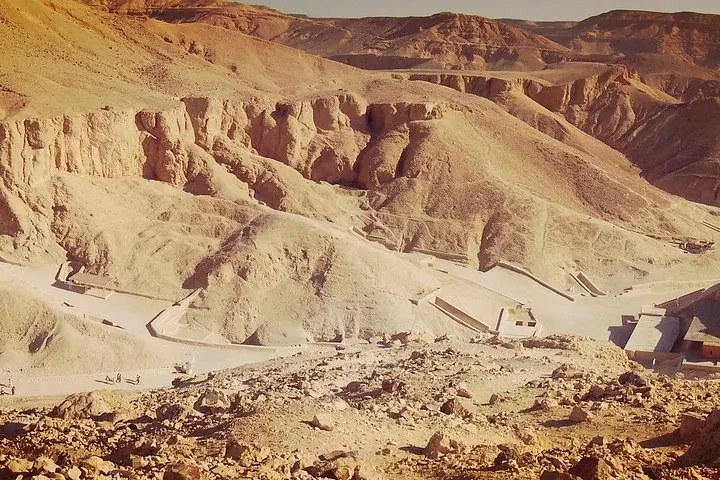
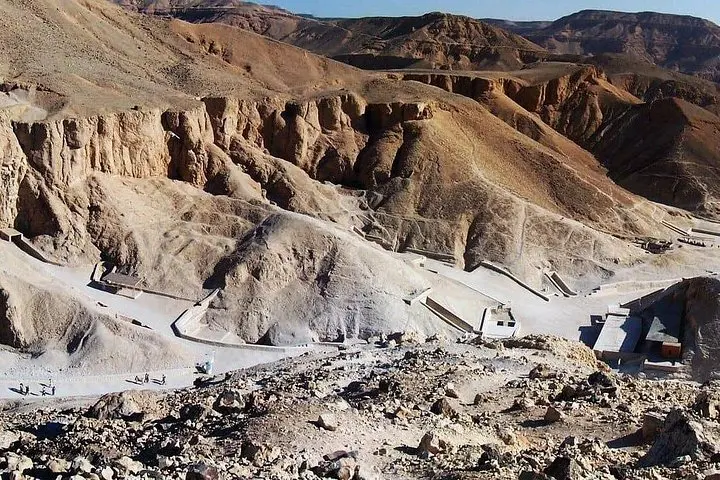
Luxor—ancient Thebes—was the ceremonial heart of Egypt’s New Kingdom. Here, pharaohs carved tombs into the limestone cliffs of the West Bank and raised hypostyle halls on the East. Geology shapes the visit: the Valley of the Kings is a scar of volcanic and limestone strata, tunnels driven into bedrock to protect royal burials; the terraced cliffs at Deir el-Bahari frame Hatshepsut’s funerary temple. Culture remains palpable—local guides (Egyptologists) bring the iconography and rituals to life, while the corniche hums with feluccas and vendors selling fresh fava and hibiscus tea.
Practical guidance: expect a long—about 12–13 hour—private day with roughly 280 km of road travel round-trip. The itinerary commonly includes Valley of the Kings, Hatshepsut, Colossi of Memnon, Karnak and Luxor Temples, plus a restaurant lunch and AC transfers. Carry sunscreen, at least 2 liters of water, a sun hat, comfortable walking shoes, and small cash for entrance fees, tips, and local purchases. Start early to avoid mid-day heat, honor site rules (no touching reliefs), and pace your visit—some tombs are cool and narrow while temple courtyards are exposed. With a knowledgeable guide, this long day converts monuments into stories and a hot afternoon into lasting perspective on ancient power along the Nile.
The road journey is roughly 280 km one way and the round trip is usually completed over 12–13 hours including site stops.
Standard tour descriptions often exclude specific site entrance fees—confirm with the operator; lunch and permits are typically included per the itinerary.
Many transfers and some areas are wheelchair accessible, but individual tombs and some temple zones have steps—check accessibility details before booking.
Photography rules vary by tomb—some allow photos without flash, while others restrict photography; follow onsite signage and guide instructions.
Egypt Sunny Tours operates guided outdoor trips and adventures with an emphasis on safety, stewardship, and memorable experiences.
You leave Aswan before dawn, the road north cutting through the Nile Valley as the river dares you to keep pace. Palms blur, small villages blink awake, and by mid-morning the temple pylons of Karnak rise from the heat-hazed plain like stone ships on a sea of sand.
You leave Aswan before dawn, the road north cutting through the Nile Valley as the river dares you to keep pace. Palms blur, small villages blink awake, and by mid-morning the temple pylons of Karnak rise from the heat-hazed plain like stone ships on a sea of sand.
Luxor—ancient Thebes—was the ceremonial heart of Egypt’s New Kingdom. Here, pharaohs carved tombs into the limestone cliffs of the West Bank and raised hypostyle halls on the East. Geology shapes the visit: the Valley of the Kings is a scar of volcanic and limestone strata, tunnels driven into bedrock to protect royal burials; the terraced cliffs at Deir el-Bahari frame Hatshepsut’s funerary temple. Culture remains palpable—local guides (Egyptologists) bring the iconography and rituals to life, while the corniche hums with feluccas and vendors selling fresh fava and hibiscus tea.
Practical guidance: expect a long—about 12–13 hour—private day with roughly 280 km of road travel round-trip. The itinerary commonly includes Valley of the Kings, Hatshepsut, Colossi of Memnon, Karnak and Luxor Temples, plus a restaurant lunch and AC transfers. Carry sunscreen, at least 2 liters of water, a sun hat, comfortable walking shoes, and small cash for entrance fees, tips, and local purchases. Start early to avoid mid-day heat, honor site rules (no touching reliefs), and pace your visit—some tombs are cool and narrow while temple courtyards are exposed. With a knowledgeable guide, this long day converts monuments into stories and a hot afternoon into lasting perspective on ancient power along the Nile.