THE ADVENTURE COLLECTIVE® · Independent discovery and booking for outdoor travel

Set out from Siem Reap for a full day through Cambodia’s rice bowl to Battambang: market life, Angkorian temple ruins, the creaking fun of the bamboo train, and the limestone rise of Phnom Sampov with its moving memorials. This one-day private tour packs landscape, history and a touch of rural unpredictability into a long but rewarding day.
Set out from Siem Reap for a full day through Cambodia’s rice bowl to Battambang: market life, Angkorian temple ruins, the creaking fun of the bamboo train, and the limestone rise of Phnom Sampov with its moving memorials. This one-day private tour packs landscape, history and a touch of rural unpredictability into a long but rewarding day.
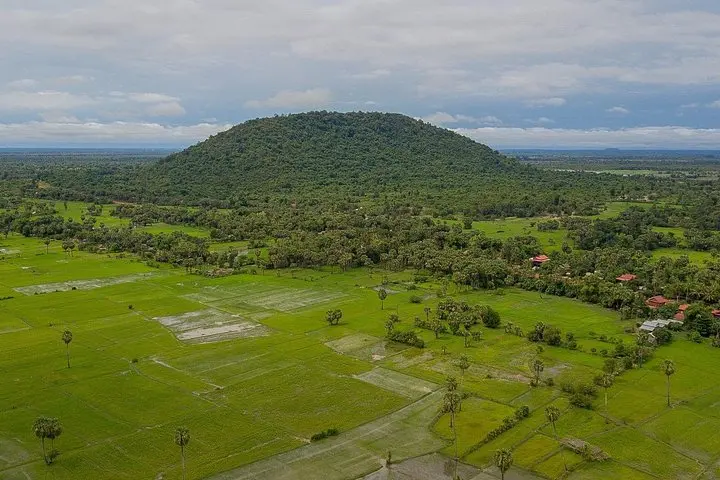
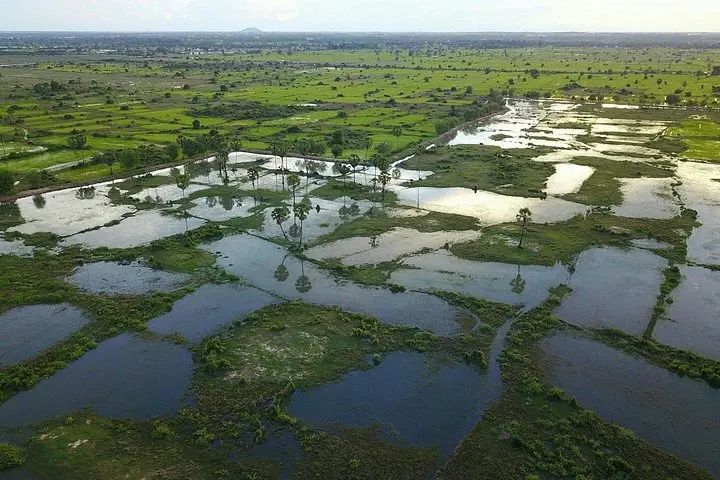
You leave Siem Reap before dawn and the road unfurls into fields — low mist over rice paddies, distant karst ridges rising like folded pages. The drive sets the tone: long stretches of mellow countryside alternating with clusters of wooden homes and roadside markets where vendors lay out fruit and noodles.
Verified experiences and guided adventures in the surrounding area.
Operated by Happy Angkor Tour · Battambang, Battambang Province
You leave Siem Reap before dawn and the road unfurls into fields — low mist over rice paddies, distant karst ridges rising like folded pages. The drive sets the tone: long stretches of mellow countryside alternating with clusters of wooden homes and roadside markets where vendors lay out fruit and noodles.
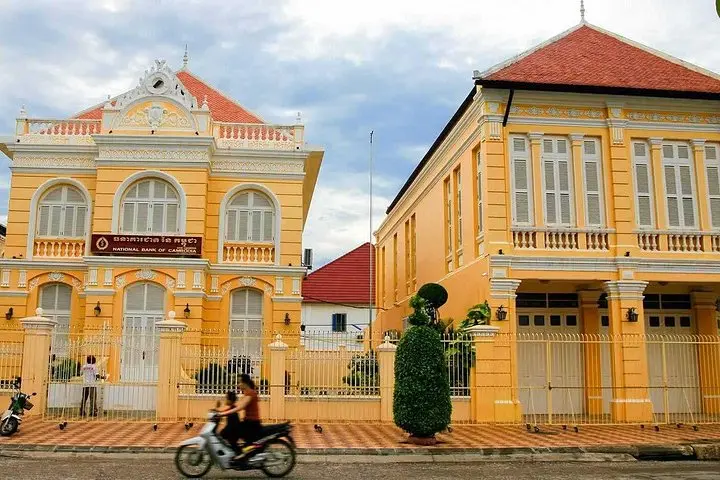
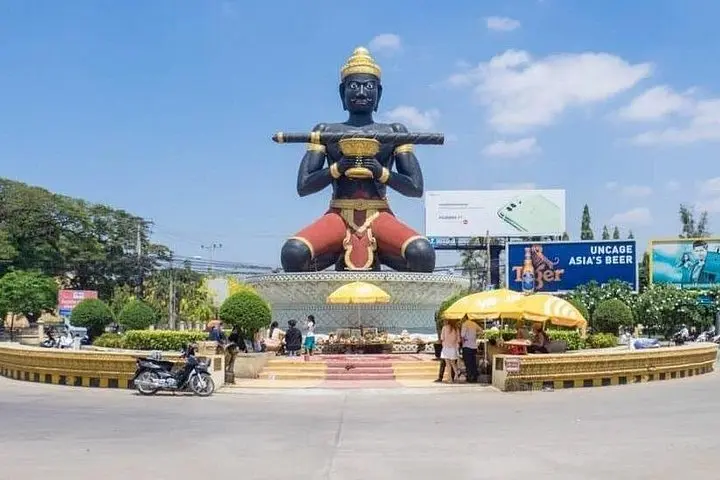
Battambang is Cambodia’s agricultural heart; the province’s flat plains feed the country. Geology reasserts itself at Phnom Sampov, a limestone outcrop with grottoes and stupas that pierce the skyline. Scattered across the countryside are Angkorian-era stones—Wat Ek Phnom and Phnom Banan—11th–12th century temple ruins that record the shift from Hindu sanctuaries to Buddhist pilgrimage sites. The tour also stops at a local market and the improvised, rickety joy of the bamboo train, which snakes across rebuilt track through paddies, and at the grim memorial caves on Phnom Sampov where Cambodia’s modern history is visible.
Practically: this is a long day of driving with short, sometimes steep walks (Phnom Banan has ~358 steps). Expect dusty paths, sun exposure, and uneven temple steps. Bring layered clothing for cool mornings and hot afternoons, sturdy closed shoes for climbs and slippery temple stones, sunscreen, and cash for small purchases and donations. Guides handle logistics and parking, but mobility-challenged travelers should note the steps and uneven ground. Timed right, the day offers strong cultural contrast: market rhythms, rural vistas, temple architecture, and the odd, unforgettable jolt of the bamboo train.
Expect roughly 3–3.5 hours each way by car depending on traffic and road conditions; the full itinerary runs about 11–13 hours.
This particular tour includes transport and guide services; check the booking details—some temple entrance fees or donations may be extra.
The rebuilt bamboo train is a popular, low-tech attraction; operators load passengers carefully but expect minimal safety infrastructure—follow the guide’s directions.
Yes, but consider the long day, vehicle time, and temple steps; notify the operator of mobility needs so they can adapt the itinerary if possible.
Happy Angkor Tour operates guided outdoor trips and adventures with an emphasis on safety, stewardship, and memorable experiences.
You leave Siem Reap before dawn and the road unfurls into fields — low mist over rice paddies, distant karst ridges rising like folded pages. The drive sets the tone: long stretches of mellow countryside alternating with clusters of wooden homes and roadside markets where vendors lay out fruit and noodles.
You leave Siem Reap before dawn and the road unfurls into fields — low mist over rice paddies, distant karst ridges rising like folded pages. The drive sets the tone: long stretches of mellow countryside alternating with clusters of wooden homes and roadside markets where vendors lay out fruit and noodles.
Battambang is Cambodia’s agricultural heart; the province’s flat plains feed the country. Geology reasserts itself at Phnom Sampov, a limestone outcrop with grottoes and stupas that pierce the skyline. Scattered across the countryside are Angkorian-era stones—Wat Ek Phnom and Phnom Banan—11th–12th century temple ruins that record the shift from Hindu sanctuaries to Buddhist pilgrimage sites. The tour also stops at a local market and the improvised, rickety joy of the bamboo train, which snakes across rebuilt track through paddies, and at the grim memorial caves on Phnom Sampov where Cambodia’s modern history is visible.
Practically: this is a long day of driving with short, sometimes steep walks (Phnom Banan has ~358 steps). Expect dusty paths, sun exposure, and uneven temple steps. Bring layered clothing for cool mornings and hot afternoons, sturdy closed shoes for climbs and slippery temple stones, sunscreen, and cash for small purchases and donations. Guides handle logistics and parking, but mobility-challenged travelers should note the steps and uneven ground. Timed right, the day offers strong cultural contrast: market rhythms, rural vistas, temple architecture, and the odd, unforgettable jolt of the bamboo train.