THE ADVENTURE COLLECTIVE® · Independent discovery and booking for outdoor travel

Explore Salvador in a private full-day tour that moves from the calm bayfront of the Lower City to the historic plazas and panoramic overlooks of the Upper City. Expect culture-rich stops, short walks on cobbles, and local flavors along the way.
Explore Salvador in a private full-day tour that moves from the calm bayfront of the Lower City to the historic plazas and panoramic overlooks of the Upper City. Expect culture-rich stops, short walks on cobbles, and local flavors along the way.
The morning light hits Farol da Barra and the Atlantic opens like an invitation; waves dare you to look beyond the shore while the bay’s islands slice the horizon. On this private full-day circuit, visitors move from the calmer waterline of the Lower City to the lifted terraces of the Upper City, tracing Salvador’s physical and cultural contours.
Verified experiences and guided adventures in the surrounding area.
Operated by Carlos Eduardo Barbosa · Salvador, Bahia
The morning light hits Farol da Barra and the Atlantic opens like an invitation; waves dare you to look beyond the shore while the bay’s islands slice the horizon. On this private full-day circuit, visitors move from the calmer waterline of the Lower City to the lifted terraces of the Upper City, tracing Salvador’s physical and cultural contours.
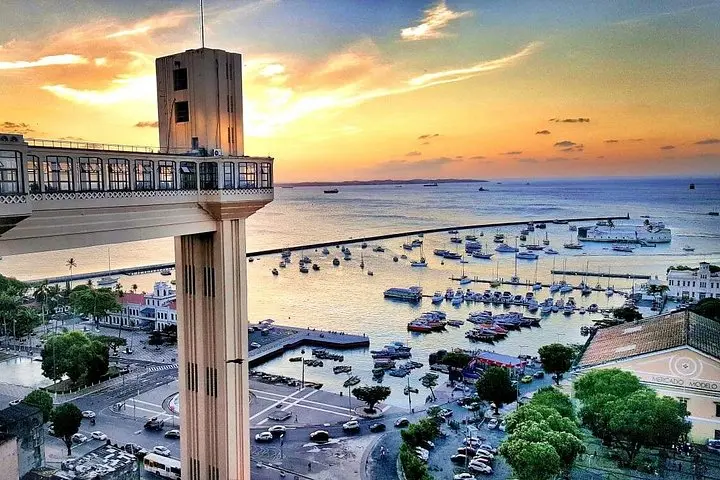
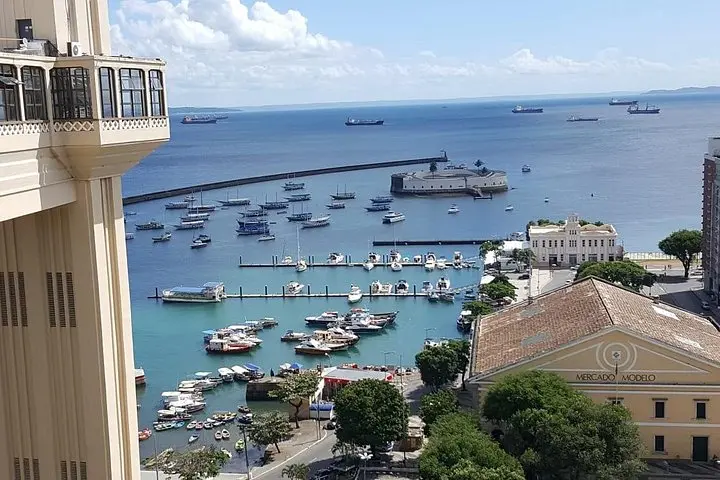
Salvador was Brazil’s first colonial capital, its streets molded by Portuguese urban planning and reshaped by African and Indigenous traditions. The city’s geology—coastal plains rising abruptly to an old limestone plateau—creates the dramatic split between Cidade Baixa and Cidade Alta, linked historically by the Lacerda Elevator and by centuries of trade through Mercado Modelo.
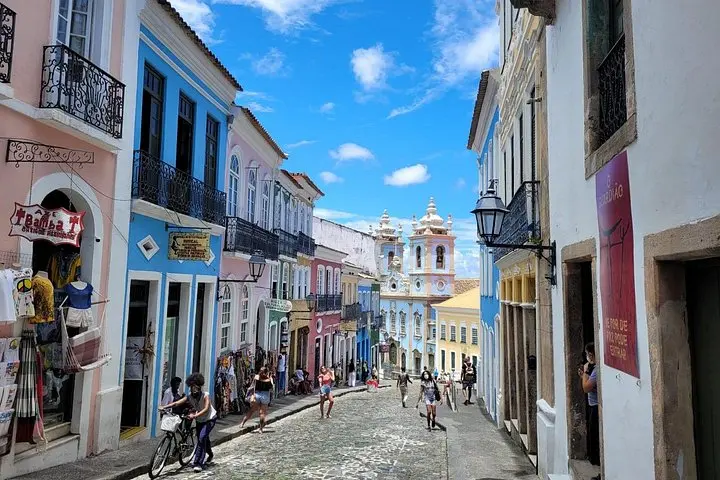
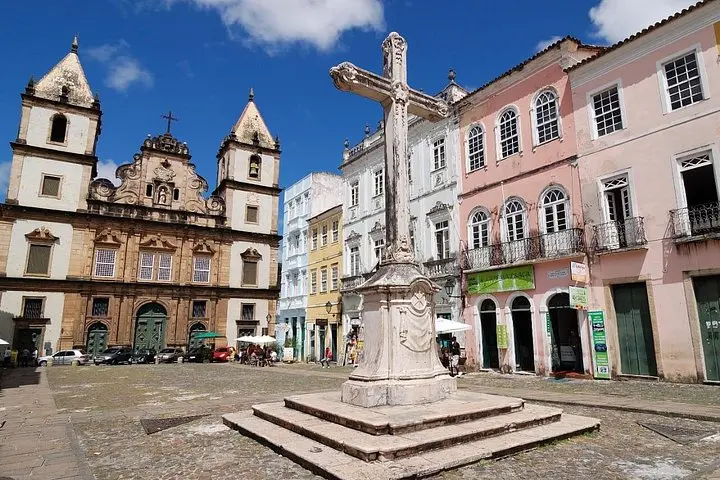
Culturally the tour shows Bahia’s living syncretism: the Orixás sculptures at Dique do Tororó, the ritual ribbons at Bonfim Church, and the baroque gilding of São Francisco Church. Local vendors and small eateries give texture to the route; expect fruit-forward sorbets and coffee breaks in Ribeira.
Practical guidance: the day runs about eight hours by air-conditioned vehicle with short walks on cobbled streets and viewpoints that require stair climbs. Bring sun protection and comfortable shoes; plan lunch in Terreiro de Jesus where there’s time to choose regional cuisine. The guide handles logistics and provides local stories—ask about festival dates if you want to see processions.
Timing your visit for morning light at the lighthouse and late afternoon for city panoramas maximizes photography and comfort. Respect church spaces and local vendors; a small tip goes far toward sustaining neighborhood livelihoods.
The tour offers private pickup; confirm your pickup point during booking and provide hotel or port details.
Yes—short walks are stroller-accessible and the itinerary notes stroller-friendly sections, though cobbles and steps in some areas require care.
Most viewpoints and public squares are included; museum or church admission fees are typically not included—check specifics with the operator.
Guides commonly speak Portuguese and English; request language needs when booking to confirm availability.
Carlos Eduardo Barbosa operates guided outdoor trips and adventures with an emphasis on safety, stewardship, and memorable experiences.
The morning light hits Farol da Barra and the Atlantic opens like an invitation; waves dare you to look beyond the shore while the bay’s islands slice the horizon. On this private full-day circuit, visitors move from the calmer waterline of the Lower City to the lifted terraces of the Upper City, tracing Salvador’s physical and cultural contours.
The morning light hits Farol da Barra and the Atlantic opens like an invitation; waves dare you to look beyond the shore while the bay’s islands slice the horizon. On this private full-day circuit, visitors move from the calmer waterline of the Lower City to the lifted terraces of the Upper City, tracing Salvador’s physical and cultural contours.
Salvador was Brazil’s first colonial capital, its streets molded by Portuguese urban planning and reshaped by African and Indigenous traditions. The city’s geology—coastal plains rising abruptly to an old limestone plateau—creates the dramatic split between Cidade Baixa and Cidade Alta, linked historically by the Lacerda Elevator and by centuries of trade through Mercado Modelo.
Culturally the tour shows Bahia’s living syncretism: the Orixás sculptures at Dique do Tororó, the ritual ribbons at Bonfim Church, and the baroque gilding of São Francisco Church. Local vendors and small eateries give texture to the route; expect fruit-forward sorbets and coffee breaks in Ribeira.
Practical guidance: the day runs about eight hours by air-conditioned vehicle with short walks on cobbled streets and viewpoints that require stair climbs. Bring sun protection and comfortable shoes; plan lunch in Terreiro de Jesus where there’s time to choose regional cuisine. The guide handles logistics and provides local stories—ask about festival dates if you want to see processions.
Timing your visit for morning light at the lighthouse and late afternoon for city panoramas maximizes photography and comfort. Respect church spaces and local vendors; a small tip goes far toward sustaining neighborhood livelihoods.