THE ADVENTURE COLLECTIVE® · Independent discovery and booking for outdoor travel

Spend a full day driving between Lisbon’s monuments and Sintra’s palaces, then feel the Atlantic wind at Cabo da Roca. This private tour packs history, coastal views, and manageable walks into an 8–9 hour itinerary.
Spend a full day driving between Lisbon’s monuments and Sintra’s palaces, then feel the Atlantic wind at Cabo da Roca. This private tour packs history, coastal views, and manageable walks into an 8–9 hour itinerary.
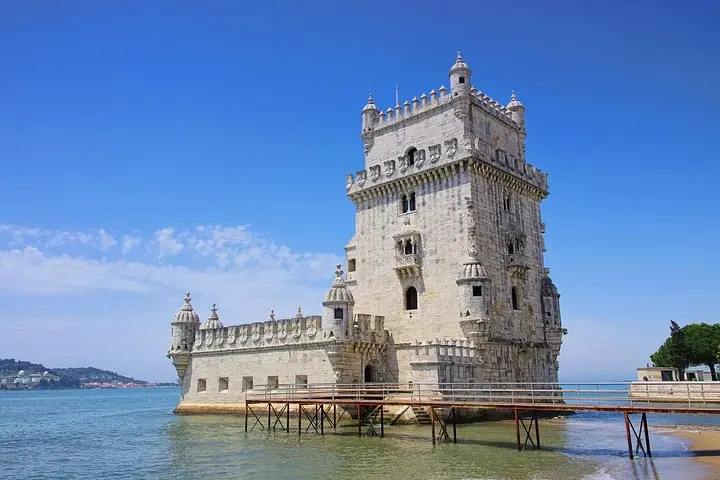
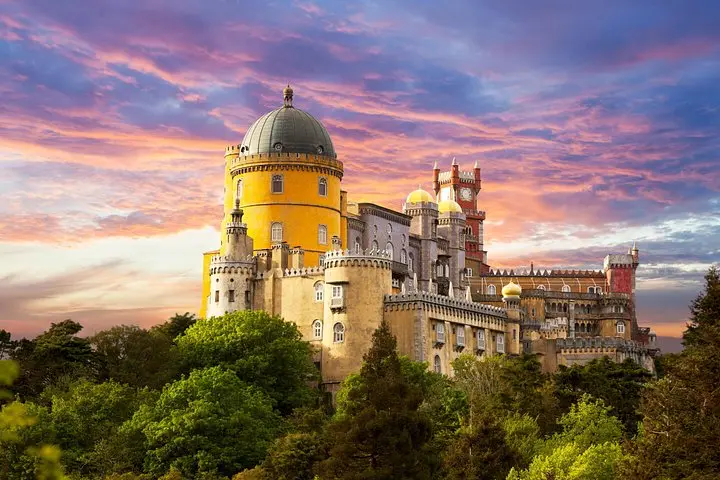
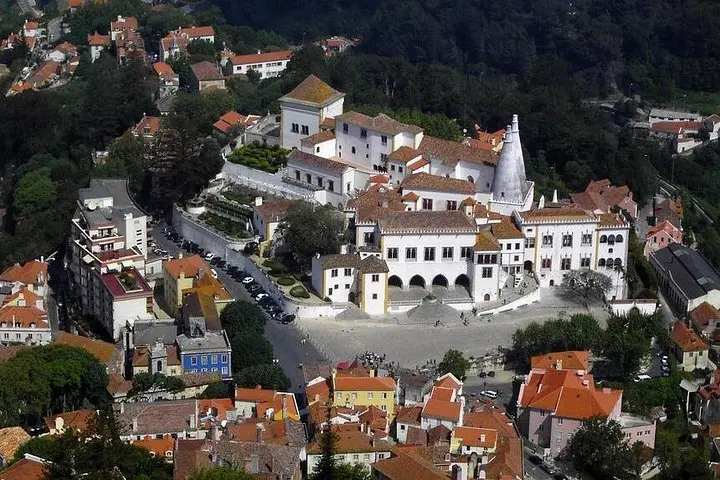
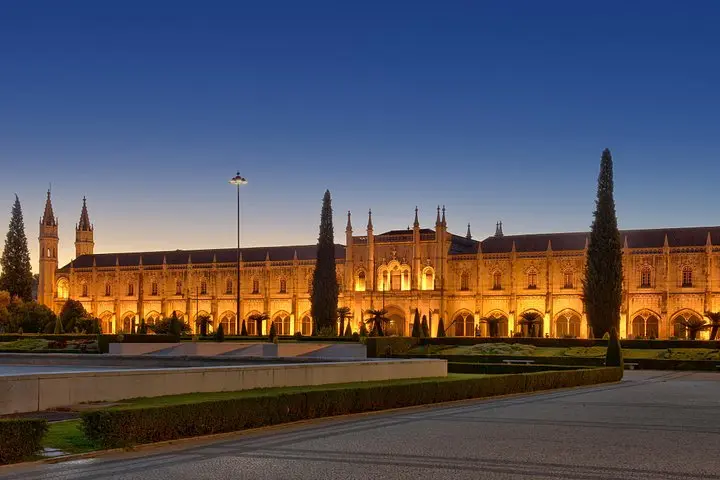
Morning light hits Lisbon’s tiled roofs as your driver collects you at the hotel and the city slips behind — tram tracks, pastel facades, and the Tagus daring you toward the Atlantic. By mid-morning the road climbs into Sintra’s forested hills: Moorish walls, romantic palaces, and secret gardens appear between cork oaks and laurel. Later, cliffs at Cabo da Roca stand blunt and wind-scoured, the westernmost rock of continental Europe where the sea pushes and waits.
Verified experiences and guided adventures in the surrounding area.
Operated by Gold Compass · Lisbon, Lisbon
Morning light hits Lisbon’s tiled roofs as your driver collects you at the hotel and the city slips behind — tram tracks, pastel facades, and the Tagus daring you toward the Atlantic. By mid-morning the road climbs into Sintra’s forested hills: Moorish walls, romantic palaces, and secret gardens appear between cork oaks and laurel. Later, cliffs at Cabo da Roca stand blunt and wind-scoured, the westernmost rock of continental Europe where the sea pushes and waits.
Sintra grew as a royal retreat in the 19th century; its palaces mix Manueline, Gothic, and Romantic styles. Geologically the area is granitic and folded, cliffs carved by persistent Atlantic swell. Cascais and Estoril trade maritime history and casino-era glamour; fishermen’s harbors and promenade cafés give a coastal counterpoint to Sintra’s woodland hush.
Practical guidance: this is a private, full-day vehicle tour (about 8–9 hours). Expect short walks on uneven stone paths at palaces and a cliff-top exposure at Cabo da Roca — bring sturdy shoes and a wind layer. Monument entry usually requires pre-purchased tickets, so book key palaces in advance to skip waits. There are restroom and café stops in Cascais; pack snacks if you prefer continuous sightseeing.
Timing matters: start early to see Sintra before mid-day crowds and aim for late-afternoon light on the coast. Respect protected trails in the Sintra-Cascais Natural Park, carry water, and be prepared for quickly changing coastal weather.
Monument tickets are typically not included; the operator requests you purchase key palace tickets in advance to secure timed entry.
The private driver provides hotel pickup and drop-off in Lisbon; confirm your pickup location when booking.
Yes; infant seats are available and the itinerary is flexible, though some palaces have stairs and limited stroller access.
As a private tour, the route can usually be tailored within the time available—discuss priorities like Palace visits or extra time in Cascais with your driver.
Gold Compass operates guided outdoor trips and adventures with an emphasis on safety, stewardship, and memorable experiences.
Morning light hits Lisbon’s tiled roofs as your driver collects you at the hotel and the city slips behind — tram tracks, pastel facades, and the Tagus daring you toward the Atlantic. By mid-morning the road climbs into Sintra’s forested hills: Moorish walls, romantic palaces, and secret gardens appear between cork oaks and laurel. Later, cliffs at Cabo da Roca stand blunt and wind-scoured, the westernmost rock of continental Europe where the sea pushes and waits.
Morning light hits Lisbon’s tiled roofs as your driver collects you at the hotel and the city slips behind — tram tracks, pastel facades, and the Tagus daring you toward the Atlantic. By mid-morning the road climbs into Sintra’s forested hills: Moorish walls, romantic palaces, and secret gardens appear between cork oaks and laurel. Later, cliffs at Cabo da Roca stand blunt and wind-scoured, the westernmost rock of continental Europe where the sea pushes and waits.
Sintra grew as a royal retreat in the 19th century; its palaces mix Manueline, Gothic, and Romantic styles. Geologically the area is granitic and folded, cliffs carved by persistent Atlantic swell. Cascais and Estoril trade maritime history and casino-era glamour; fishermen’s harbors and promenade cafés give a coastal counterpoint to Sintra’s woodland hush.
Practical guidance: this is a private, full-day vehicle tour (about 8–9 hours). Expect short walks on uneven stone paths at palaces and a cliff-top exposure at Cabo da Roca — bring sturdy shoes and a wind layer. Monument entry usually requires pre-purchased tickets, so book key palaces in advance to skip waits. There are restroom and café stops in Cascais; pack snacks if you prefer continuous sightseeing.
Timing matters: start early to see Sintra before mid-day crowds and aim for late-afternoon light on the coast. Respect protected trails in the Sintra-Cascais Natural Park, carry water, and be prepared for quickly changing coastal weather.