THE ADVENTURE COLLECTIVE® · Independent discovery and booking for outdoor travel

See the Taj Mahal at first light, explore the red sandstone halls of Agra Fort, and admire the intricate Baby Taj on a private full-day tour with a local guide and private transfers.
See the Taj Mahal at first light, explore the red sandstone halls of Agra Fort, and admire the intricate Baby Taj on a private full-day tour with a local guide and private transfers.
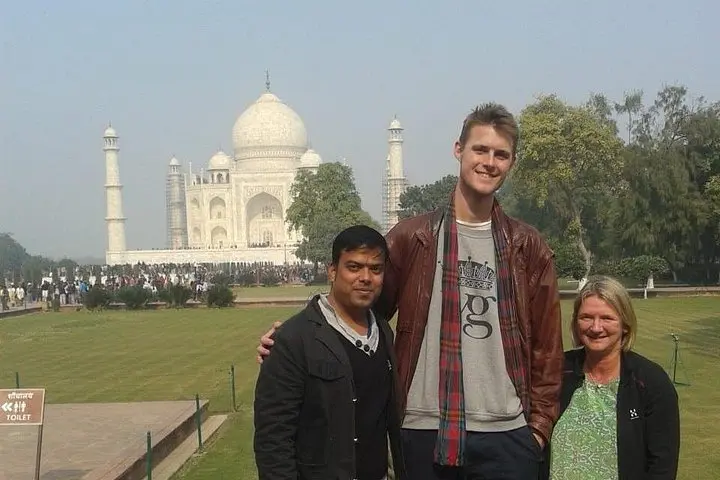
You arrive before the city wakes, the first light pushing across the Taj Mahal's white skin like a slow breath. The Yamuna flows beside it, an ancient ribbon that seems to nudge the mausoleum's reflection into motion; gardeners trim the lawns, vendors ready their stalls, and the marble begins to change color as the day opens.
Verified experiences and guided adventures in the surrounding area.
Operated by Great Tour India · Agra, Uttar Pradesh
You arrive before the city wakes, the first light pushing across the Taj Mahal's white skin like a slow breath. The Yamuna flows beside it, an ancient ribbon that seems to nudge the mausoleum's reflection into motion; gardeners trim the lawns, vendors ready their stalls, and the marble begins to change color as the day opens.
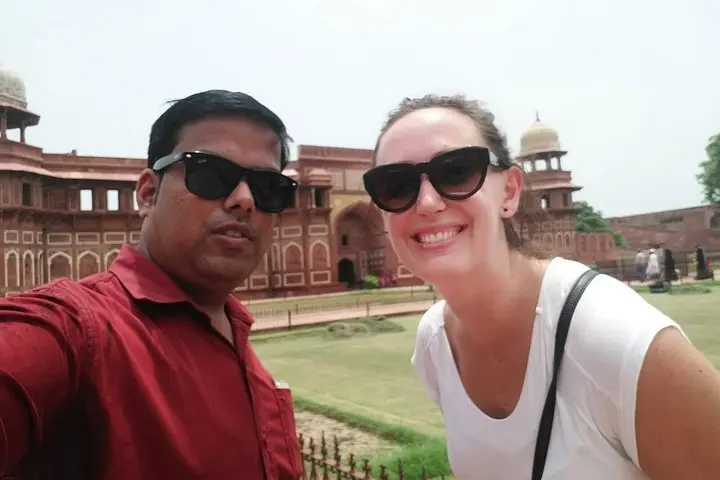
This private full-day tour threads three major Mughal sites—Taj Mahal, Agra Fort, and the Tomb of Itmad-ud-Daulah—into a single cultural arc. The Taj, built by Shah Jahan in the 17th century for Mumtaz Mahal, is a study in symmetry and pietra dura inlay; Agra Fort’s red sandstone walls chronicle the seat of Mughal power with terraces, private chambers and a view that frames the Taj across the river. The smaller, earlier “Baby Taj” showcases delicate inlay and predates the white mausoleum, offering contrast in scale and technique.
Geologically, the monuments sit on alluvial plains of the Yamuna; soft soil and riverine humidity have influenced conservation work for decades. Culturally, Agra is a working city—markets sell marble inlay, petha candy, and brassware—so the tour balances monuments with local color.
Practically: plan sunrise at the Taj to minimize crowds, carry a refillable water bottle, and wear closed-toe shoes for walking on uneven stone. Monument entry is timed, so bring ID for ticketing and expect security checks and photography rules near certain interiors. This private, air-conditioned transfer-style tour is an efficient way to see highlights in a single day while leaving room for market stops and quieter viewpoints across the Yamuna.
The grounds and some pathways are wheelchair accessible and ramps are available at main entrances, but some interiors and steps at adjacent sites may limit full access—notify your operator in advance.
Tickets can sell out during peak season; booking through the tour often includes monument admissions and streamlines entry—carry ID for ticket issuing.
Typical stops are about an hour at each monument—Taj Mahal, Agra Fort, and Itmad-ud-Daulah—allow extra time for security checks and photo stops.
This listing provides a private guide and air-conditioned transfers as part of the itinerary, so the group is limited to your booking and schedule.
Great Tour India operates guided outdoor trips and adventures with an emphasis on safety, stewardship, and memorable experiences.


You arrive before the city wakes, the first light pushing across the Taj Mahal's white skin like a slow breath. The Yamuna flows beside it, an ancient ribbon that seems to nudge the mausoleum's reflection into motion; gardeners trim the lawns, vendors ready their stalls, and the marble begins to change color as the day opens.
You arrive before the city wakes, the first light pushing across the Taj Mahal's white skin like a slow breath. The Yamuna flows beside it, an ancient ribbon that seems to nudge the mausoleum's reflection into motion; gardeners trim the lawns, vendors ready their stalls, and the marble begins to change color as the day opens.
This private full-day tour threads three major Mughal sites—Taj Mahal, Agra Fort, and the Tomb of Itmad-ud-Daulah—into a single cultural arc. The Taj, built by Shah Jahan in the 17th century for Mumtaz Mahal, is a study in symmetry and pietra dura inlay; Agra Fort’s red sandstone walls chronicle the seat of Mughal power with terraces, private chambers and a view that frames the Taj across the river. The smaller, earlier “Baby Taj” showcases delicate inlay and predates the white mausoleum, offering contrast in scale and technique.
Geologically, the monuments sit on alluvial plains of the Yamuna; soft soil and riverine humidity have influenced conservation work for decades. Culturally, Agra is a working city—markets sell marble inlay, petha candy, and brassware—so the tour balances monuments with local color.
Practically: plan sunrise at the Taj to minimize crowds, carry a refillable water bottle, and wear closed-toe shoes for walking on uneven stone. Monument entry is timed, so bring ID for ticketing and expect security checks and photography rules near certain interiors. This private, air-conditioned transfer-style tour is an efficient way to see highlights in a single day while leaving room for market stops and quieter viewpoints across the Yamuna.