THE ADVENTURE COLLECTIVE® · Independent discovery and booking for outdoor travel

A full-day private tour that pairs Beijing’s political heart—Tian'anmen Square and the Palace Museum—with a climb to the Mutianyu Great Wall. Expect guided cultural context, manageable hiking on restored stone steps, and options to shorten the wall visit via cable car.
A full-day private tour that pairs Beijing’s political heart—Tian'anmen Square and the Palace Museum—with a climb to the Mutianyu Great Wall. Expect guided cultural context, manageable hiking on restored stone steps, and options to shorten the wall visit via cable car.
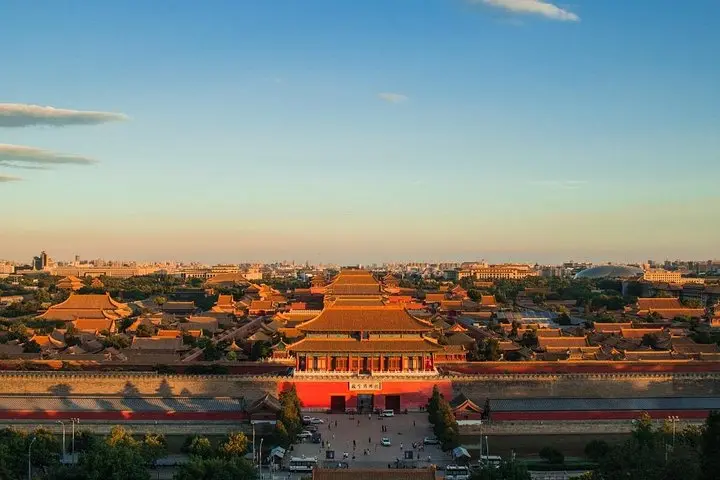
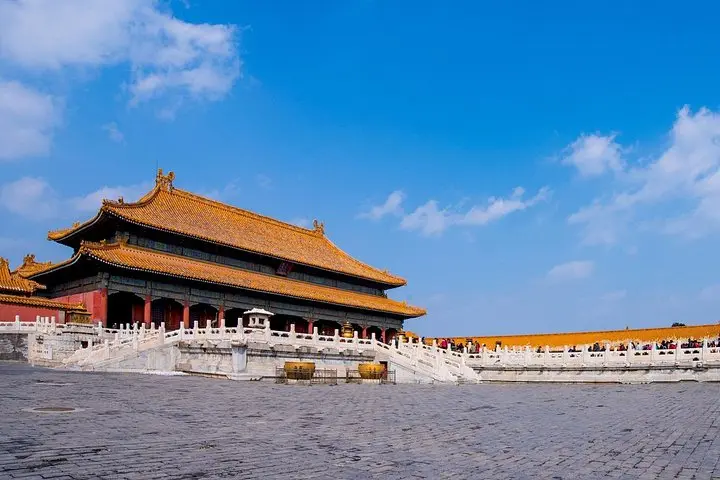
Morning light flattens the vast plane of Tian'anmen Square as the guide explains the plaza's symbolism and the ritual of flag-raising. The group moves from open civic space into the shaded courtyards of the Palace Museum, where timber roofs and red walls compress sound and history into a walkable timeline.
Verified experiences and guided adventures in the surrounding area.
Operated by HUA TRAVEL TIANXIA INTERNATIONAL TRAVEL AGENCY · Beijing, Beijing
Morning light flattens the vast plane of Tian'anmen Square as the guide explains the plaza's symbolism and the ritual of flag-raising. The group moves from open civic space into the shaded courtyards of the Palace Museum, where timber roofs and red walls compress sound and history into a walkable timeline.
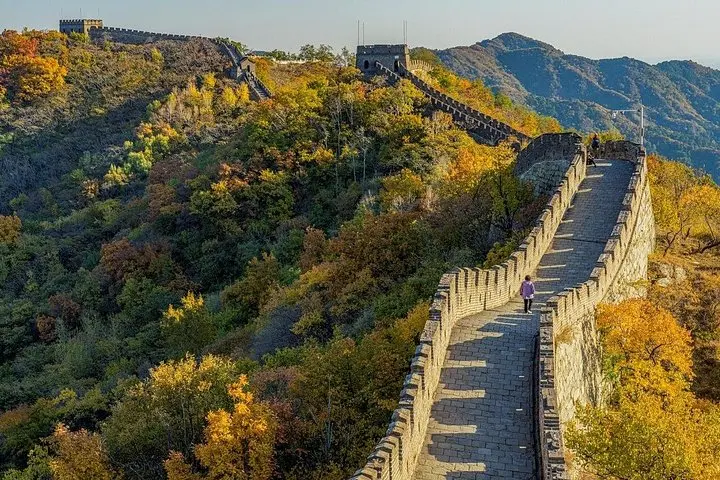
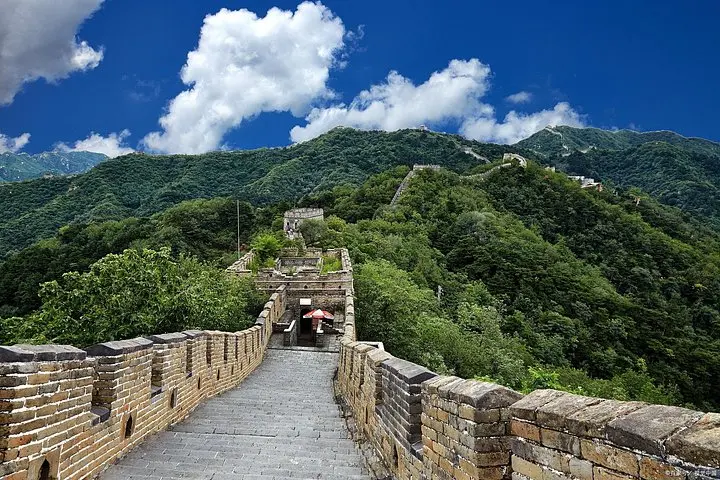
The Forbidden City served as the political center of the Ming and Qing dynasties; its wood-and-stone architecture and imperial layouts reveal how power and cosmology shaped urban life. Later, the vehicle rolls northeast toward Mutianyu—an hour-and-a-half climb out of the city—where the Great Wall rises along ridgelines, alternating between merciless steps and broad promenades. The Wall here is mostly Ming-era restoration: rebuilt battlements, watchtowers, and long flights of stone that test lungs and patience alike. The forested slopes around Mutianyu push wind and birds into the stone work, daring you upward.
Expect roughly 2–3 kilometers of wall walking if you choose to explore the core section, with options to shorten the outing via cable car or toboggan descent. Cultural context and local food are woven into the day: a short city lunch refuels before the rural climb. Guides typically route visitors to less crowded segments and handle ticket logistics and transport.
Practical notes: wear stable shoes for uneven stone steps, bring layered clothing for wind and sun exposure on the ridgeline, and carry ID—passport is required for Palace Museum entry. Aim for an early start to avoid mid-day crowds and allow time for both measured exploration and steady hiking pace.
This private tour includes admission to the Palace Museum and Mutianyu access; confirm specific inclusions with the operator before booking.
Sections have steep stone steps and uneven surfaces—cable car options lower the exertion; expect moderate aerobic effort for walking 2–3 km on the wall.
Yes. The Palace Museum requires passport presentation for entry; keep it accessible during the day.
Yes. The tour provides hotel pick-up and drop-off within covered areas of central Beijing—confirm your pickup point when booking.
HUA TRAVEL TIANXIA INTERNATIONAL TRAVEL AGENCY operates guided outdoor trips and adventures with an emphasis on safety, stewardship, and memorable experiences.
Morning light flattens the vast plane of Tian'anmen Square as the guide explains the plaza's symbolism and the ritual of flag-raising. The group moves from open civic space into the shaded courtyards of the Palace Museum, where timber roofs and red walls compress sound and history into a walkable timeline.
Morning light flattens the vast plane of Tian'anmen Square as the guide explains the plaza's symbolism and the ritual of flag-raising. The group moves from open civic space into the shaded courtyards of the Palace Museum, where timber roofs and red walls compress sound and history into a walkable timeline.
The Forbidden City served as the political center of the Ming and Qing dynasties; its wood-and-stone architecture and imperial layouts reveal how power and cosmology shaped urban life. Later, the vehicle rolls northeast toward Mutianyu—an hour-and-a-half climb out of the city—where the Great Wall rises along ridgelines, alternating between merciless steps and broad promenades. The Wall here is mostly Ming-era restoration: rebuilt battlements, watchtowers, and long flights of stone that test lungs and patience alike. The forested slopes around Mutianyu push wind and birds into the stone work, daring you upward.
Expect roughly 2–3 kilometers of wall walking if you choose to explore the core section, with options to shorten the outing via cable car or toboggan descent. Cultural context and local food are woven into the day: a short city lunch refuels before the rural climb. Guides typically route visitors to less crowded segments and handle ticket logistics and transport.
Practical notes: wear stable shoes for uneven stone steps, bring layered clothing for wind and sun exposure on the ridgeline, and carry ID—passport is required for Palace Museum entry. Aim for an early start to avoid mid-day crowds and allow time for both measured exploration and steady hiking pace.