THE ADVENTURE COLLECTIVE® · Independent discovery and booking for outdoor travel

Leave Beirut for a full-day private journey through the Bekaa: Roman colonnades at Baalbek, Umayyad streets in Anjar, and a cellar visit to Château Ksara. Expect 8–9 hours of driving and walking with rich historical layers and a winery tasting.
Leave Beirut for a full-day private journey through the Bekaa: Roman colonnades at Baalbek, Umayyad streets in Anjar, and a cellar visit to Château Ksara. Expect 8–9 hours of driving and walking with rich historical layers and a winery tasting.
You step out of Beirut's bustle and into the wide Bekaa plain: the road climbs and the air sharpens, the Anti-Lebanon rising like a low wall to the east. By mid-morning the massive columns of Baalbek appear above olive groves—stone that once carried temples to Jupiter and Bacchus at an altitude of about 1,150 m. The ruins demand slow walking; their scale rearranges perspective and asks you to match the patience of ancient masons.
Verified experiences and guided adventures in the surrounding area.
Operated by Lebanon Tours Online · Baalbek, Beqaa Governorate
You step out of Beirut's bustle and into the wide Bekaa plain: the road climbs and the air sharpens, the Anti-Lebanon rising like a low wall to the east. By mid-morning the massive columns of Baalbek appear above olive groves—stone that once carried temples to Jupiter and Bacchus at an altitude of about 1,150 m. The ruins demand slow walking; their scale rearranges perspective and asks you to match the patience of ancient masons.
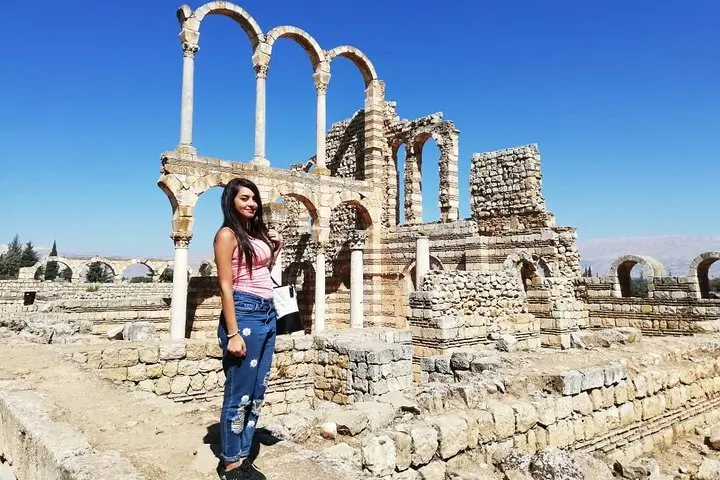
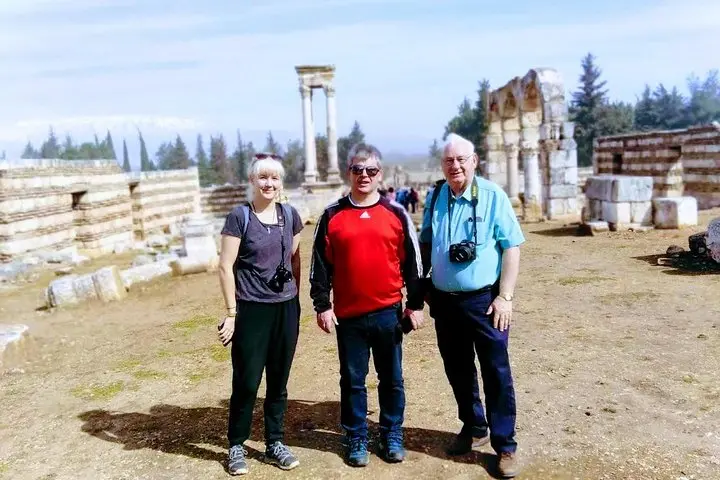
Baalbek reached its peak under Roman imperial building programs and preserves monumental cores of Phoenician and Roman religious life. Nearby Anjar records another layer: an 8th‑century Umayyad trading hub with straight streets, bath complexes and mosque remains—an inland crossroads between Damascus and the coast. Château Ksara, founded by Jesuit priests in 1857, brings a different history: cellars carved into limestone, the industrial geography of winemaking and the seasonal rhythm of grape harvests.
Practically, expect a full 8–9 hour day with roughly 1.5–2 hours driving each way from Beirut (about 170–190 km round-trip), several short walks on uneven archaeological terrain, and a winery stop where tastings are typically offered on-site. Wear sturdy shoes for gravel and flagstones, bring sun protection and a light layer for breezy plateaus. Carry small bills for museum entries, local vendors, and tastings.
Timing matters: arrive at Baalbek early to avoid midday heat, and plan for photography in softer morning or late-afternoon light. Respect cultural sites by dressing modestly at religious ruins and follow posted paths to protect fragile masonry. This is a day where history, geology and contemporary rural life meet—direct, tactile and eminently walkable.
The private tour runs about 8–9 hours (480–540 minutes) with pickup in Beirut; expect roughly 1.5–2 hours driving each way depending on traffic.
Admissions to archaeological sites and winery tastings are often not included and may be paid on site—confirm inclusion with your operator before booking.
Yes—the tour is rated easy and suitable for most fitness levels, but archaeological sites have uneven ground and some steps that can challenge mobility.
Sites are outdoors; while tours generally operate in light rain, heavy weather may affect comfort and walking conditions—check the operator's cancellation policy for specifics.
Lebanon Tours Online operates guided outdoor trips and adventures with an emphasis on safety, stewardship, and memorable experiences.
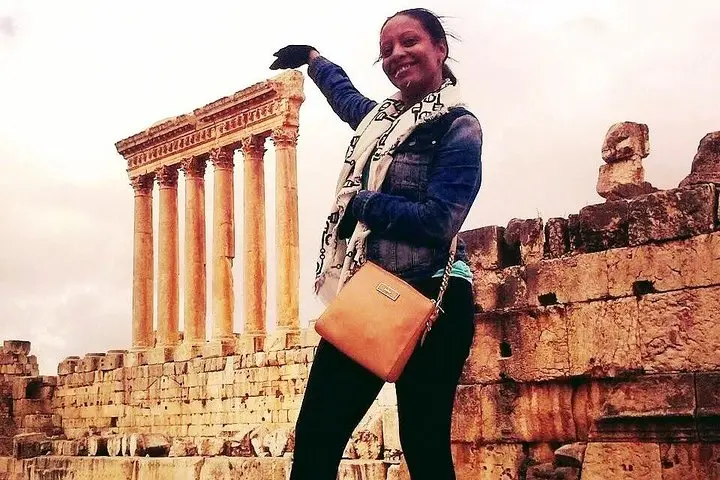
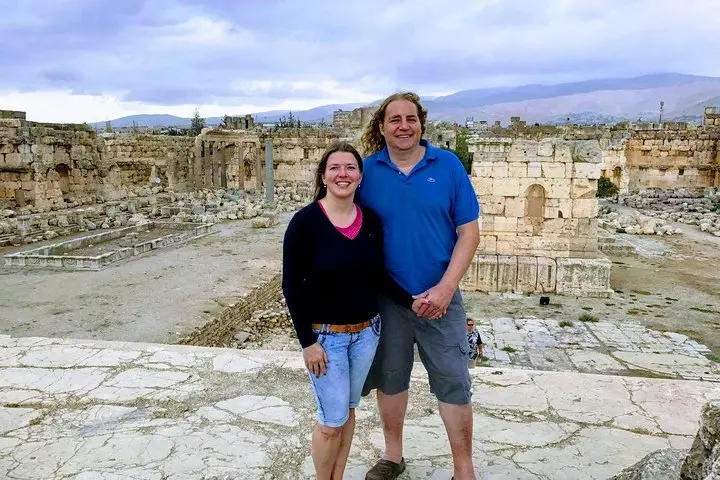
You step out of Beirut's bustle and into the wide Bekaa plain: the road climbs and the air sharpens, the Anti-Lebanon rising like a low wall to the east. By mid-morning the massive columns of Baalbek appear above olive groves—stone that once carried temples to Jupiter and Bacchus at an altitude of about 1,150 m. The ruins demand slow walking; their scale rearranges perspective and asks you to match the patience of ancient masons.
You step out of Beirut's bustle and into the wide Bekaa plain: the road climbs and the air sharpens, the Anti-Lebanon rising like a low wall to the east. By mid-morning the massive columns of Baalbek appear above olive groves—stone that once carried temples to Jupiter and Bacchus at an altitude of about 1,150 m. The ruins demand slow walking; their scale rearranges perspective and asks you to match the patience of ancient masons.
Baalbek reached its peak under Roman imperial building programs and preserves monumental cores of Phoenician and Roman religious life. Nearby Anjar records another layer: an 8th‑century Umayyad trading hub with straight streets, bath complexes and mosque remains—an inland crossroads between Damascus and the coast. Château Ksara, founded by Jesuit priests in 1857, brings a different history: cellars carved into limestone, the industrial geography of winemaking and the seasonal rhythm of grape harvests.
Practically, expect a full 8–9 hour day with roughly 1.5–2 hours driving each way from Beirut (about 170–190 km round-trip), several short walks on uneven archaeological terrain, and a winery stop where tastings are typically offered on-site. Wear sturdy shoes for gravel and flagstones, bring sun protection and a light layer for breezy plateaus. Carry small bills for museum entries, local vendors, and tastings.
Timing matters: arrive at Baalbek early to avoid midday heat, and plan for photography in softer morning or late-afternoon light. Respect cultural sites by dressing modestly at religious ruins and follow posted paths to protect fragile masonry. This is a day where history, geology and contemporary rural life meet—direct, tactile and eminently walkable.