THE ADVENTURE COLLECTIVE® · Independent discovery and booking for outdoor travel
Spend a day at Chichén Itzá with a private guide, combining a focused visit to El Castillo and surrounding ruins with a refreshing cenote swim. This practical tour balances on-site history with transport and local insights to make the most of a long day in the Yucatán.
Spend a day at Chichén Itzá with a private guide, combining a focused visit to El Castillo and surrounding ruins with a refreshing cenote swim. This practical tour balances on-site history with transport and local insights to make the most of a long day in the Yucatán.
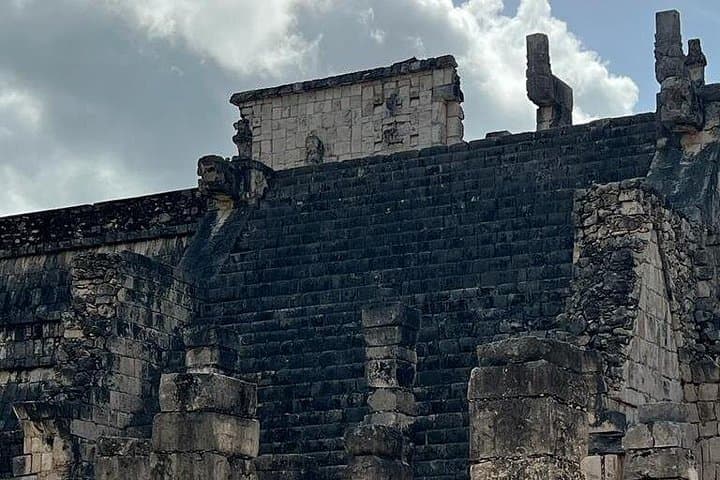
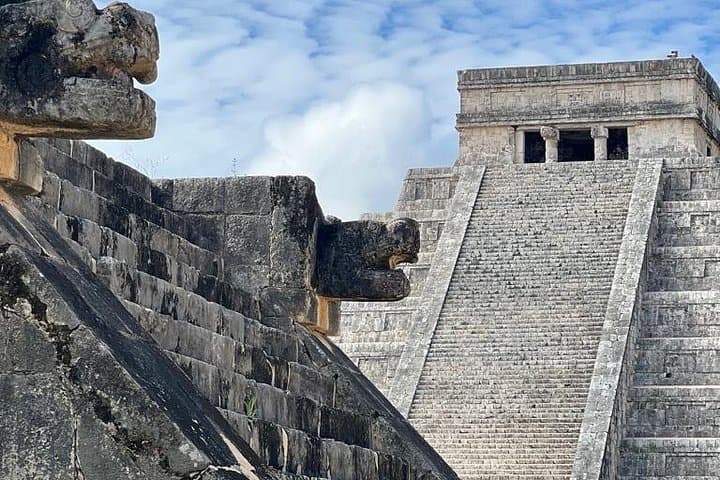
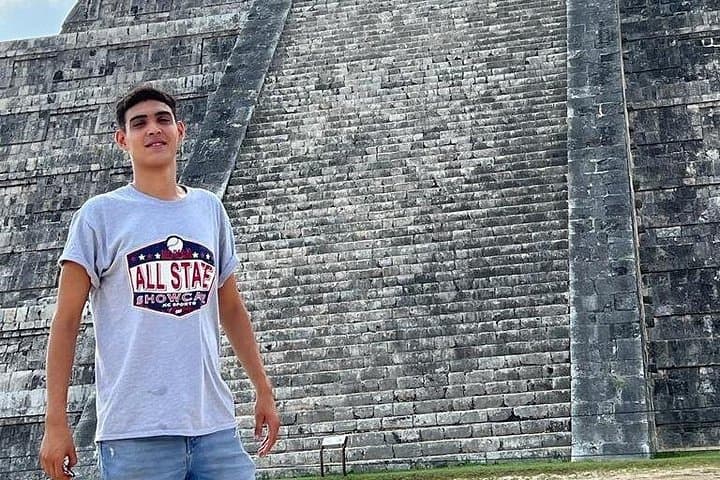
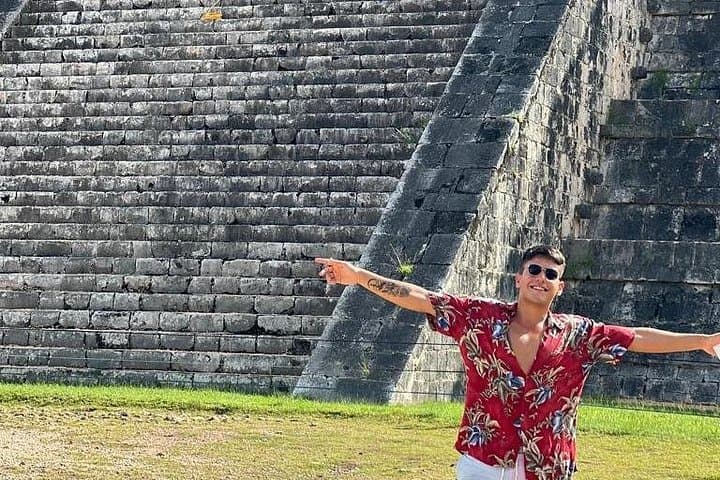
The group steps out of the air-conditioned van into a wide, sun-baked plaza where stone faces and staircases rise from the scrub. Wind edges through the columns and the sound of distant voices bounces off the northern face of El Castillo, the Kukulcán pyramid, which dominates the site with exacting geometry.
Verified experiences and guided adventures in the surrounding area.
Operated by Stepping Mexico · Valladolid, Yucatán
The group steps out of the air-conditioned van into a wide, sun-baked plaza where stone faces and staircases rise from the scrub. Wind edges through the columns and the sound of distant voices bounces off the northern face of El Castillo, the Kukulcán pyramid, which dominates the site with exacting geometry.
Chichén Itzá grew from a regional Maya center into a major trade and ceremonial hub between the 9th and 12th centuries. The limestone bedrock beneath the plaza carved a landscape of sinkholes; those cenotes were sacred wells and remain vital freshwater sources and geological features formed by collapsed caverns in the Yucatán’s karst.
Visitors see the Temple of the Warriors, the Great Ball Court and the Observatory; each structure reflects astronomical knowledge, political power and ritual life. Nearby small towns like Pisté and Valladolid retain Maya and colonial influences—local markets, corn-based dishes and vendors selling hand-embroidered textiles.
Practically: this private tour typically involves a 2‑hour drive each way from coastal resorts, guided time at the archaeological zone, a lunch stop, and a swim in a nearby cenote. Expect uneven stone steps, exposed sun, and crowds in peak season. Bring sun protection, modest footwear for climbing, and cash for local vendors. Start early to avoid midday heat, respect site rules (no climbing on monuments), and allow time to linger at quieter corners for photos. The mix of geology, astronomy and living Maya culture makes a day here both instructive and elemental.
Park admission is typically not included in the tour price and must be purchased separately; your operator will confirm whether the cenote entrance is covered.
Expect about 2 to 2.5 hours each way from popular coastal towns, depending on traffic and your exact pickup point.
Climbing El Castillo is prohibited to protect the structure; you can walk around and view it from multiple angles for photography.
Yes—children can enjoy the scale and open space, though bring sun protection and plan for breaks; strollers may be difficult on uneven paths.
Stepping Mexico operates guided outdoor trips and adventures with an emphasis on safety, stewardship, and memorable experiences.
The group steps out of the air-conditioned van into a wide, sun-baked plaza where stone faces and staircases rise from the scrub. Wind edges through the columns and the sound of distant voices bounces off the northern face of El Castillo, the Kukulcán pyramid, which dominates the site with exacting geometry.
The group steps out of the air-conditioned van into a wide, sun-baked plaza where stone faces and staircases rise from the scrub. Wind edges through the columns and the sound of distant voices bounces off the northern face of El Castillo, the Kukulcán pyramid, which dominates the site with exacting geometry.
Chichén Itzá grew from a regional Maya center into a major trade and ceremonial hub between the 9th and 12th centuries. The limestone bedrock beneath the plaza carved a landscape of sinkholes; those cenotes were sacred wells and remain vital freshwater sources and geological features formed by collapsed caverns in the Yucatán’s karst.
Visitors see the Temple of the Warriors, the Great Ball Court and the Observatory; each structure reflects astronomical knowledge, political power and ritual life. Nearby small towns like Pisté and Valladolid retain Maya and colonial influences—local markets, corn-based dishes and vendors selling hand-embroidered textiles.
Practically: this private tour typically involves a 2‑hour drive each way from coastal resorts, guided time at the archaeological zone, a lunch stop, and a swim in a nearby cenote. Expect uneven stone steps, exposed sun, and crowds in peak season. Bring sun protection, modest footwear for climbing, and cash for local vendors. Start early to avoid midday heat, respect site rules (no climbing on monuments), and allow time to linger at quieter corners for photos. The mix of geology, astronomy and living Maya culture makes a day here both instructive and elemental.
