
Full-Day Private Tour to Humantay Lake: Hike to the Turquoise Lagoon from Cusco
A private, full-day excursion from Cusco to Humantay Lake: a short but steep high‑altitude hike to an intense turquoise lagoon beneath the Salkantay massif. Expect thin air, dramatic views, and a 1–1.5 hour ascent with panoramic photo opportunities.
An Adventure In Cusco.
A private, full-day excursion from Cusco to Humantay Lake: a short but steep high‑altitude hike to an intense turquoise lagoon beneath the Salkantay massif. Expect thin air, dramatic views, and a 1–1.5 hour ascent with panoramic photo opportunities.
Read the full experience
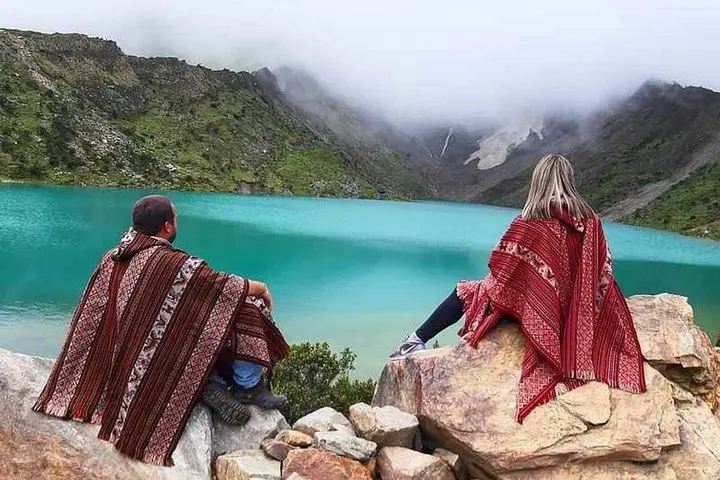
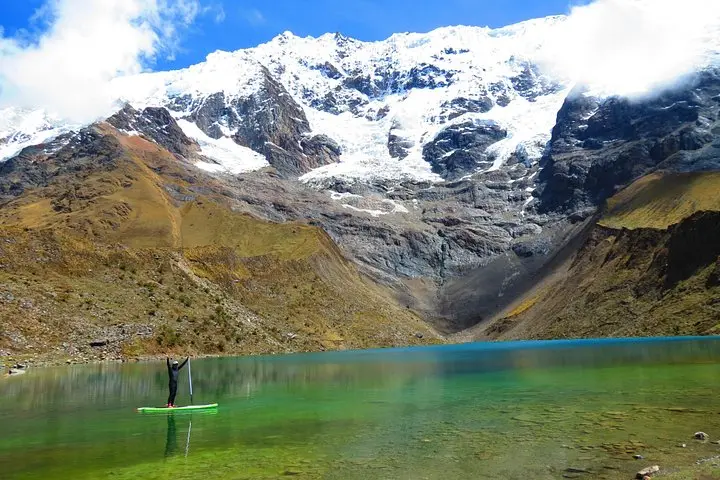
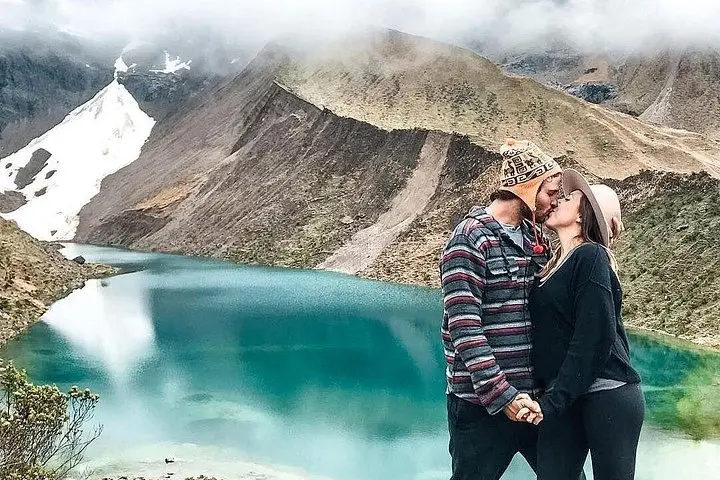
A cold, thin wind meets you on the high meadow at Soraypampa as the bus doors open and the Andes stretch outward—granite ridges, snow-washed summits, and the dark shoulder of Apu Humantay rising above. The trail climbs quickly from the parking area, switching and tightening like a rope, and after roughly 1–1.5 hours the lake appears: a slice of intense turquoise framed by glacial scree at about 4,180 m.
A cold, thin wind meets you on the high meadow at Soraypampa as the bus doors open and the Andes stretch outward—granite ridges, snow-washed summits, and the dark shoulder of Apu Humantay rising above. The trail climbs quickly from the parking area, switching and tightening like a rope, and after roughly 1–1.5 hours the lake appears: a slice of intense turquoise framed by glacial scree at about 4,180 m.
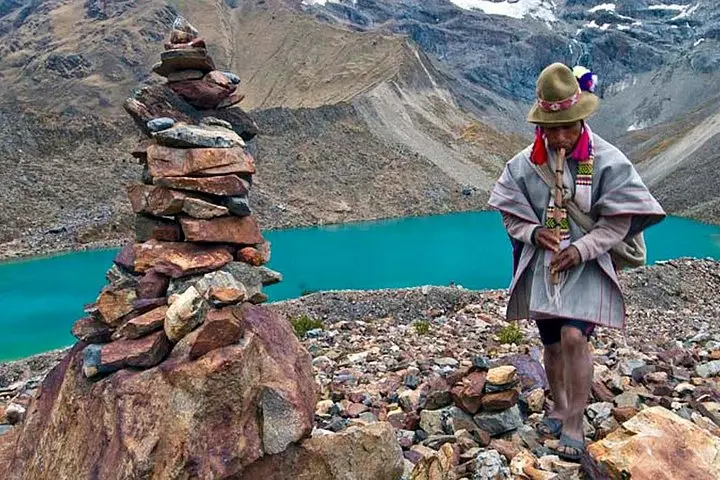
Humantay sits on the flank of the Salkantay massif, carved by Pleistocene ice and fed by seasonal melt. The lagoon’s color comes from suspended glacial rock flour reflecting light; local Quechua communities consider Humantay an Apu—a mountain spirit—and travelers often leave small offerings on the shoulder above the water.
The valley below—Limatambo and Mollepata—has long supported Andean agriculture: corn, potatoes and pastures that change with the seasons. The route’s geology shifts from volcanic andesite to glacial till, and the thin air is the main challenge rather than technical terrain.
Practical guidance: plan for an 11-hour day from Cusco with a private vehicle transfer to Mollepata (approx. 3–4 hours depending on stops), then a 1–1.5 hour uphill walk (~1.5–2 km one-way) with ~350–450 m elevation gain. Expect rocky, muddy patches and exposed sections; a short acclimatization in Cusco or light activity the day before reduces altitude risk. Bring layered clothing, sun protection, water, and let the guide know if you’re sensitive to altitude—oxygen and walking sticks are typically provided on private tours.
Frequently asked questions
The walk from Soraypampa to the lake takes about 1–1.5 hours each way depending on pace, over roughly 1.5–2 km with ~350–450 m elevation gain.
Yes for experienced beginners with reasonable fitness, but it is at high altitude—people with heart or severe respiratory conditions should avoid it.
Yes, local operators typically offer horse rentals for the steep sections; animals may not be available in all seasons and riders must be comfortable on horseback.
Yes; private full-day tours usually allow ample time for photos, brief offerings to the Apus, and a short break at the lake before returning.
About This Experience
Horseback Riding Cusco operates guided outdoor trips and adventures with an emphasis on safety, stewardship, and memorable experiences.
Adventure tips
Recommended gear
- Sturdy hiking boots: Good ankle support and sticky soles for rocky, muddy sections on the ascent.
- Warm insulated layer: Temperatures at 4,180 m can be near freezing—pack a puffy or fleece for summit time.
- Waterproof shell/rain jacket: Afternoon rains are common in the wet season (roughly Dec–Mar); a shell keeps you dry and warm.
- Sun protection (hat & sunscreen): High-altitude UV is strong—protect skin and eyes even on cool days.
Photos of the experience
Related adventures & guides
Read the full experience
A cold, thin wind meets you on the high meadow at Soraypampa as the bus doors open and the Andes stretch outward—granite ridges, snow-washed summits, and the dark shoulder of Apu Humantay rising above. The trail climbs quickly from the parking area, switching and tightening like a rope, and after roughly 1–1.5 hours the lake appears: a slice of intense turquoise framed by glacial scree at about 4,180 m.
A cold, thin wind meets you on the high meadow at Soraypampa as the bus doors open and the Andes stretch outward—granite ridges, snow-washed summits, and the dark shoulder of Apu Humantay rising above. The trail climbs quickly from the parking area, switching and tightening like a rope, and after roughly 1–1.5 hours the lake appears: a slice of intense turquoise framed by glacial scree at about 4,180 m.
Humantay sits on the flank of the Salkantay massif, carved by Pleistocene ice and fed by seasonal melt. The lagoon’s color comes from suspended glacial rock flour reflecting light; local Quechua communities consider Humantay an Apu—a mountain spirit—and travelers often leave small offerings on the shoulder above the water.
The valley below—Limatambo and Mollepata—has long supported Andean agriculture: corn, potatoes and pastures that change with the seasons. The route’s geology shifts from volcanic andesite to glacial till, and the thin air is the main challenge rather than technical terrain.
Practical guidance: plan for an 11-hour day from Cusco with a private vehicle transfer to Mollepata (approx. 3–4 hours depending on stops), then a 1–1.5 hour uphill walk (~1.5–2 km one-way) with ~350–450 m elevation gain. Expect rocky, muddy patches and exposed sections; a short acclimatization in Cusco or light activity the day before reduces altitude risk. Bring layered clothing, sun protection, water, and let the guide know if you’re sensitive to altitude—oxygen and walking sticks are typically provided on private tours.
Make a day of it nearby.
Verified experiences and guided adventures in the surrounding area.