THE ADVENTURE COLLECTIVE® · Independent discovery and booking for outdoor travel

Drive from the Dead Sea along the Desert Highway for a full-day private visit to Petra. Walk the Siq, see the Treasury, explore tombs and viewpoints with the ease and flexibility of door-to-door transport.
Drive from the Dead Sea along the Desert Highway for a full-day private visit to Petra. Walk the Siq, see the Treasury, explore tombs and viewpoints with the ease and flexibility of door-to-door transport.
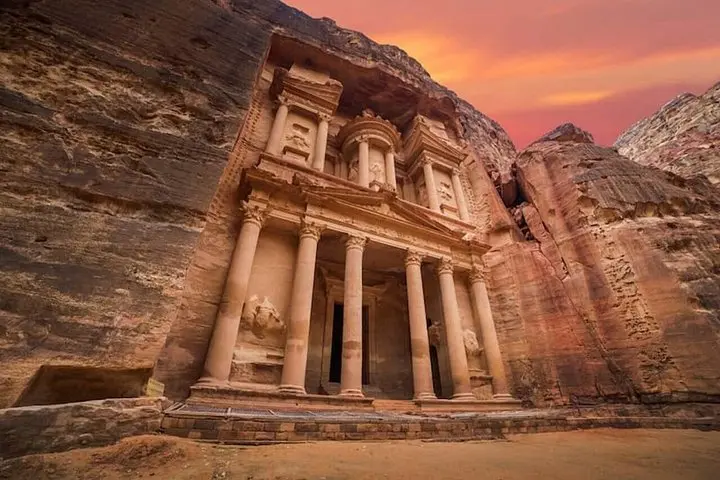
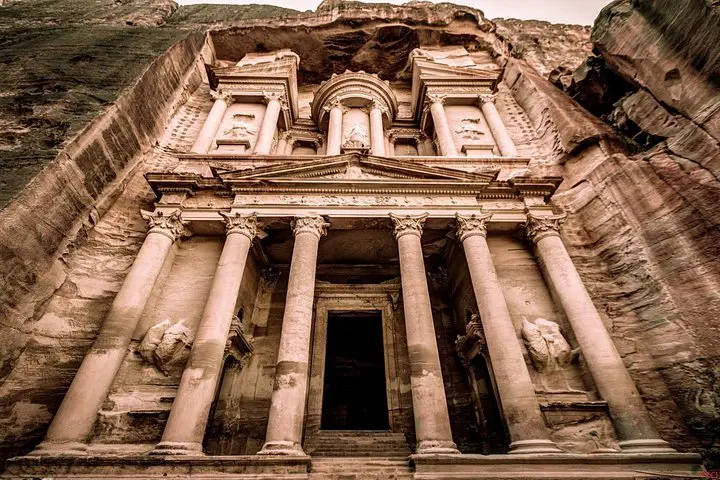
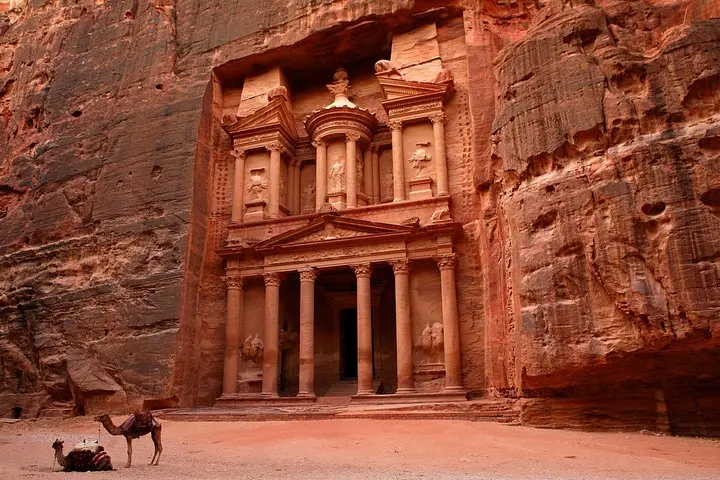
Morning light slices the Siq as your vehicle drops you at Petra Visitor Centre: cool stone shadows, the hush of a canyon that funnels centuries of wind and footsteps toward the rose-red façade of the Treasury. The road from the Dead Sea traces the Desert Highway for roughly three hours, passing ochre plains and scattered limestone ridges until Wadi Musa signals the approach to carved rock and living village life.
Verified experiences and guided adventures in the surrounding area.
Operated by R&H VIP Transportation Services · Wadi Musa, Ma'an Governorate
Morning light slices the Siq as your vehicle drops you at Petra Visitor Centre: cool stone shadows, the hush of a canyon that funnels centuries of wind and footsteps toward the rose-red façade of the Treasury. The road from the Dead Sea traces the Desert Highway for roughly three hours, passing ochre plains and scattered limestone ridges until Wadi Musa signals the approach to carved rock and living village life.
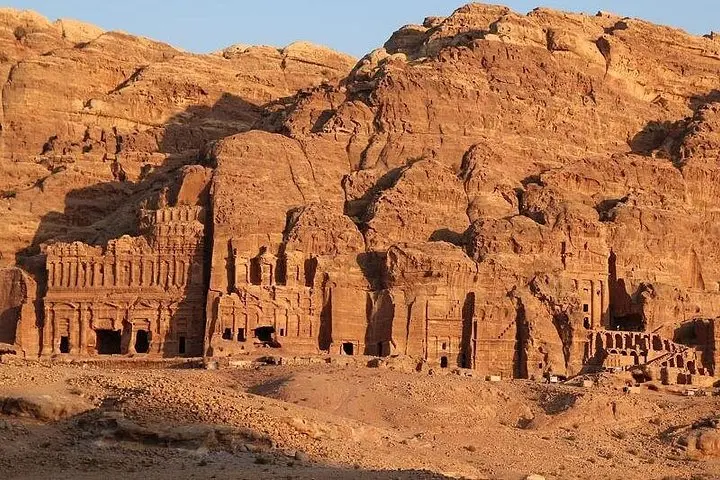
Petra began as a Nabataean caravan hub around the 6th century B.C., its architects carving monumental tombs and temples directly into sandstone beds that show layers of red, pink and cream. Geology here is visible history: soft sandstone sculpted by water and wind yields the sinuous Siq and the stepped cliffs that host the Royal Tombs. Local Bedouin culture still threads the site—tea stalls near the entrance, horse handlers offering short Siq rides and guides recounting Nabataean trade routes.
Practically, expect several miles of walking over packed dirt, flagstone and uneven rock surfaces; some sections include steps and short climbs to viewpoints like the Monastery. Plan for 8–12 hours door-to-door with a 3‑hour drive each way from the Dead Sea. Bring sun protection, steady footwear and a daypack; allow time to queue at the ticket booth or meet your optional local guide.
A private transfer gives flexibility: swap the Treasury crowd for a quieter climb to the High Place of Sacrifice, or linger at the Royal Tombs as light warms the canyon walls. Petra rewards patient pacing—move steadily, hydrate often, and let the stone tell its stories.
The Jordan Pass is recommended — it covers Petra entry and can save money if you plan additional sites; check which pass options match your itinerary.
Short horse rides at the site are usually optional and locally organized; confirm inclusion with your operator or bring cash to hire a mount at the entrance.
Expect about a 3‑hour drive each way along the Desert Highway, with a planned stop en route depending on the tour schedule.
Petra has uneven ground and stairs; the main Siq and Treasury area are reachable but many tombs and viewpoints require climbing — discuss specific mobility needs with the operator beforehand.
R&H VIP Transportation Services operates guided outdoor trips and adventures with an emphasis on safety, stewardship, and memorable experiences.
Morning light slices the Siq as your vehicle drops you at Petra Visitor Centre: cool stone shadows, the hush of a canyon that funnels centuries of wind and footsteps toward the rose-red façade of the Treasury. The road from the Dead Sea traces the Desert Highway for roughly three hours, passing ochre plains and scattered limestone ridges until Wadi Musa signals the approach to carved rock and living village life.
Morning light slices the Siq as your vehicle drops you at Petra Visitor Centre: cool stone shadows, the hush of a canyon that funnels centuries of wind and footsteps toward the rose-red façade of the Treasury. The road from the Dead Sea traces the Desert Highway for roughly three hours, passing ochre plains and scattered limestone ridges until Wadi Musa signals the approach to carved rock and living village life.
Petra began as a Nabataean caravan hub around the 6th century B.C., its architects carving monumental tombs and temples directly into sandstone beds that show layers of red, pink and cream. Geology here is visible history: soft sandstone sculpted by water and wind yields the sinuous Siq and the stepped cliffs that host the Royal Tombs. Local Bedouin culture still threads the site—tea stalls near the entrance, horse handlers offering short Siq rides and guides recounting Nabataean trade routes.
Practically, expect several miles of walking over packed dirt, flagstone and uneven rock surfaces; some sections include steps and short climbs to viewpoints like the Monastery. Plan for 8–12 hours door-to-door with a 3‑hour drive each way from the Dead Sea. Bring sun protection, steady footwear and a daypack; allow time to queue at the ticket booth or meet your optional local guide.
A private transfer gives flexibility: swap the Treasury crowd for a quieter climb to the High Place of Sacrifice, or linger at the Royal Tombs as light warms the canyon walls. Petra rewards patient pacing—move steadily, hydrate often, and let the stone tell its stories.