THE ADVENTURE COLLECTIVE® · Independent discovery and booking for outdoor travel

Escape Zadar for a private full-day exploration of Plitvice Lakes: walk to Veliki Slap, cross Kozjak by boat, and ride the park’s electric train. This guide explains what to expect on trails, how the travertine lakes form, and practical tips to make the most of your day.
Escape Zadar for a private full-day exploration of Plitvice Lakes: walk to Veliki Slap, cross Kozjak by boat, and ride the park’s electric train. This guide explains what to expect on trails, how the travertine lakes form, and practical tips to make the most of your day.
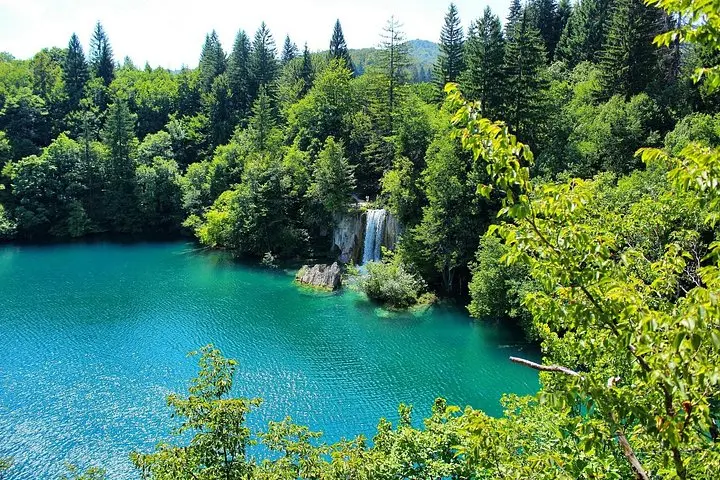
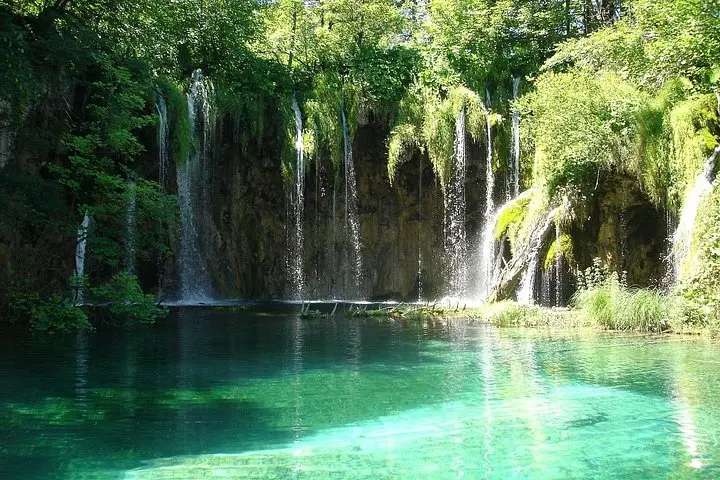
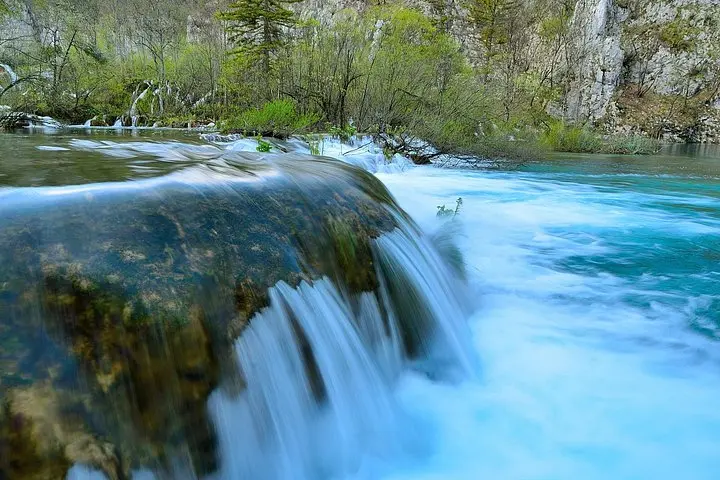
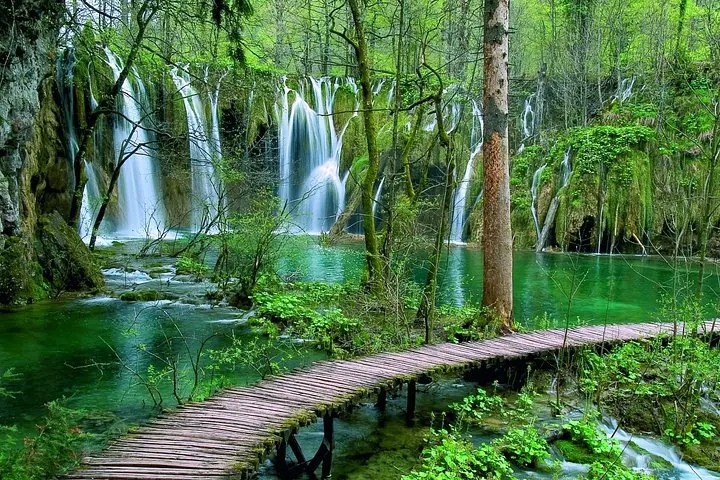
You step out of the van and the air changes — cool, mineral-rich mist brushing skin as the park’s waterfalls begin their constant conversation. The path leads toward Veliki Slap, the largest curtain of water here, while the river below dares you to follow its braided channels. Overhead, cliffs of travertine hold the lakes in tiered bowls, pale and changing with the light.
Verified experiences and guided adventures in the surrounding area.
Operated by TERRA TRAVEL · Plitvička Jezera, Lika-Senj County
You step out of the van and the air changes — cool, mineral-rich mist brushing skin as the park’s waterfalls begin their constant conversation. The path leads toward Veliki Slap, the largest curtain of water here, while the river below dares you to follow its braided channels. Overhead, cliffs of travertine hold the lakes in tiered bowls, pale and changing with the light.
Plitvice Lakes National Park — Croatia’s oldest national park and a 1979 UNESCO World Heritage site — is defined by 16 linked lakes and dozens of falls carved where water meets limestone. The calcium-rich water builds travertine barriers that keep the lakes’ edges alive, growing with each season. Local villages in Lika have long lived with the park’s rhythms; shepherding and simple woodcraft remain visible cultural threads.
On a private full-day tour from Zadar expect a roughly 1.5–2 hour drive each way, a guided walking loop that reaches Veliki Slap, a 45-minute boat crossing of Kozjak Lake, and an electric park train transfer. Trails vary from packed boardwalks to stony singletrack; some sections are slippery when wet. Crowds concentrate on the lower lakes mid-day, so mornings feel quieter and winter presents stark, glassy stillness.
Practical guidance: wear grippy shoes, carry 1–2 liters of water, and bring a lightweight rain shell. Pace yourself on the longer circuits — the park rewards unhurried observation. Confirm whether entrance fees are included with your operator, and factor in seasonal closures or reduced services. Plitvice asks respect: stay on marked paths and leave the travertine to grow undisturbed.
Expect about a 1.5–2 hour drive each way depending on traffic and stops—private tours handle transfers door-to-door.
Policies vary by operator; some private tours include tickets while others require you to pay on arrival—confirm at booking.
Walking is moderate: boardwalks and well-marked trails make the loop accessible, but uneven surfaces and stairs require steady footing.
Most full-day tours include the short boat across Kozjak Lake and use of the park’s electric tram for certain segments as part of the route.
TERRA TRAVEL operates guided outdoor trips and adventures with an emphasis on safety, stewardship, and memorable experiences.
You step out of the van and the air changes — cool, mineral-rich mist brushing skin as the park’s waterfalls begin their constant conversation. The path leads toward Veliki Slap, the largest curtain of water here, while the river below dares you to follow its braided channels. Overhead, cliffs of travertine hold the lakes in tiered bowls, pale and changing with the light.
You step out of the van and the air changes — cool, mineral-rich mist brushing skin as the park’s waterfalls begin their constant conversation. The path leads toward Veliki Slap, the largest curtain of water here, while the river below dares you to follow its braided channels. Overhead, cliffs of travertine hold the lakes in tiered bowls, pale and changing with the light.
Plitvice Lakes National Park — Croatia’s oldest national park and a 1979 UNESCO World Heritage site — is defined by 16 linked lakes and dozens of falls carved where water meets limestone. The calcium-rich water builds travertine barriers that keep the lakes’ edges alive, growing with each season. Local villages in Lika have long lived with the park’s rhythms; shepherding and simple woodcraft remain visible cultural threads.
On a private full-day tour from Zadar expect a roughly 1.5–2 hour drive each way, a guided walking loop that reaches Veliki Slap, a 45-minute boat crossing of Kozjak Lake, and an electric park train transfer. Trails vary from packed boardwalks to stony singletrack; some sections are slippery when wet. Crowds concentrate on the lower lakes mid-day, so mornings feel quieter and winter presents stark, glassy stillness.
Practical guidance: wear grippy shoes, carry 1–2 liters of water, and bring a lightweight rain shell. Pace yourself on the longer circuits — the park rewards unhurried observation. Confirm whether entrance fees are included with your operator, and factor in seasonal closures or reduced services. Plitvice asks respect: stay on marked paths and leave the travertine to grow undisturbed.