THE ADVENTURE COLLECTIVE® · Independent discovery and booking for outdoor travel

Spend a single day with a private Egyptologist visiting the Great Pyramids of Giza and the Egyptian Museum in Cairo. Early starts, sun-smart gear, and local insight make this an efficient and memorable introduction to Egypt’s ancient civilization.
Spend a single day with a private Egyptologist visiting the Great Pyramids of Giza and the Egyptian Museum in Cairo. Early starts, sun-smart gear, and local insight make this an efficient and memorable introduction to Egypt’s ancient civilization.
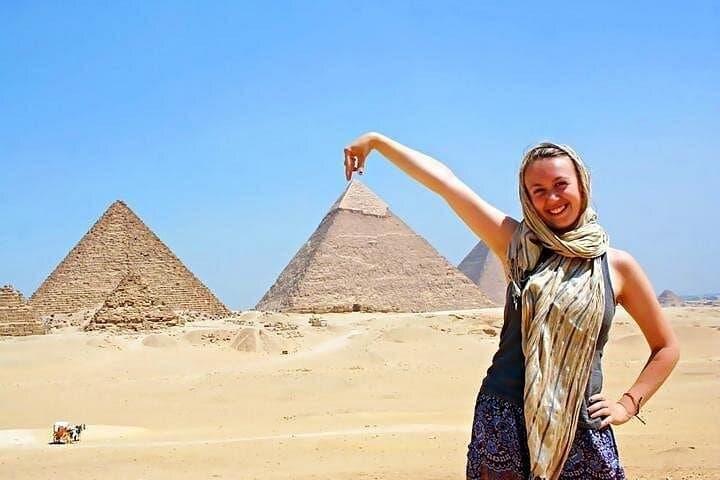
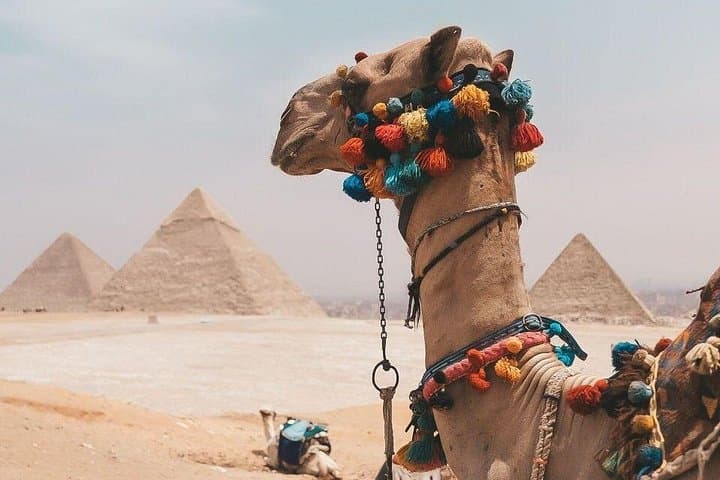
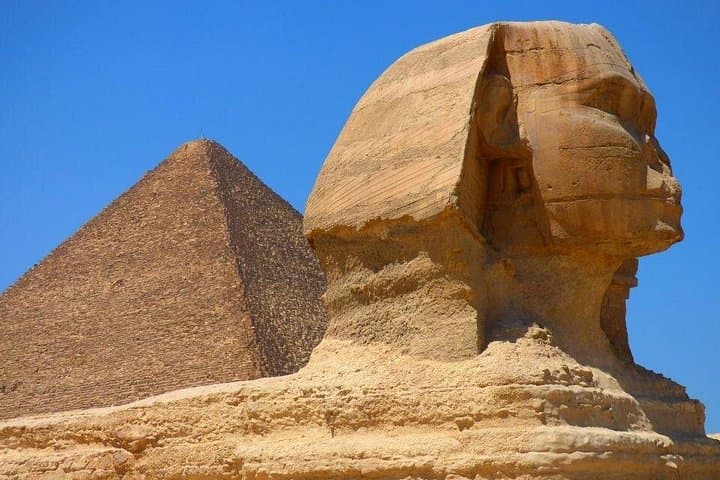
You step from an air-conditioned vehicle into a flat, wind-swept plain where stone giants rise from the heat—three pyramids cutting clean lines against Cairo’s distant skyline. The Giza Plateau moves slowly around you: camel handlers call, sand shifts underfoot, and the Sphinx watches traffic like a patient gatekeeper.
Verified experiences and guided adventures in the surrounding area.
Operated by Kemet Vacations · Giza, Giza Governorate
You step from an air-conditioned vehicle into a flat, wind-swept plain where stone giants rise from the heat—three pyramids cutting clean lines against Cairo’s distant skyline. The Giza Plateau moves slowly around you: camel handlers call, sand shifts underfoot, and the Sphinx watches traffic like a patient gatekeeper.
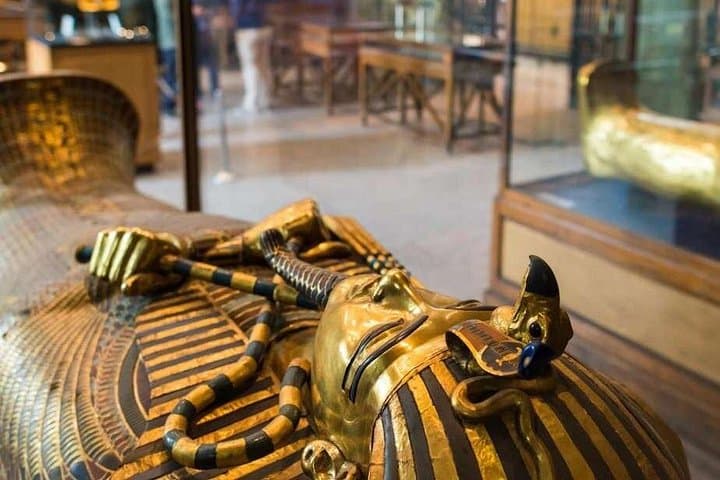
This itinerary pairs two of Egypt’s headline attractions. The Pyramids of Giza (built during the Fourth Dynasty, ca. 2600–2500 BCE) showcase ancient engineering: limestone casing, burial chambers, and calibrated sightlines toward cardinal points. The nearby Egyptian Museum in Tahrir houses artifacts spanning Old, Middle, and New Kingdoms—most famously the funerary treasures of Tutankhamen—offering cultural context to the stones on the plateau.
Expect low-relief desert geology, compacted sand trails, and broad, exposed views with virtually no shade. Guides will frame history with archaeology and social context: pharaonic funerary practices, 19th–20th century excavation history, and modern conservation pressures.
Practical guidance: start early to avoid midday heat and traffic; carry ID or passport for museum entry and optional pyramid interior tickets; wear sturdy closed shoes for uneven stone and sand; bring at least 1.5–2 liters of water and sun protection. Timing is flexible—this private tour can be a brisk 3-hour pyramid stop or a fuller 6–7 hour day including a museum deep dive and lunch at a local restaurant.
Plan logistics around museum hours and ticket lines; a licensed Egyptologist guide and private transport streamline movement between sites and make the most of a single day in Cairo’s most frequented archaeological corridor.
Yes—carry your passport or an official ID, as ticketing and interior access often require identification.
Interior access is sometimes available for an extra fee and limited numbers; check availability and age/health restrictions in advance.
This private tour typically includes a lunch at a local restaurant, as listed in the inclusions, but confirm dietary needs with the operator beforehand.
Expect moderate walking over uneven surfaces at the plateau and within museum galleries; most routes are short but involve standing and some stair/climb elements if entering tombs.
Kemet Vacations operates guided outdoor trips and adventures with an emphasis on safety, stewardship, and memorable experiences.
You step from an air-conditioned vehicle into a flat, wind-swept plain where stone giants rise from the heat—three pyramids cutting clean lines against Cairo’s distant skyline. The Giza Plateau moves slowly around you: camel handlers call, sand shifts underfoot, and the Sphinx watches traffic like a patient gatekeeper.
You step from an air-conditioned vehicle into a flat, wind-swept plain where stone giants rise from the heat—three pyramids cutting clean lines against Cairo’s distant skyline. The Giza Plateau moves slowly around you: camel handlers call, sand shifts underfoot, and the Sphinx watches traffic like a patient gatekeeper.
This itinerary pairs two of Egypt’s headline attractions. The Pyramids of Giza (built during the Fourth Dynasty, ca. 2600–2500 BCE) showcase ancient engineering: limestone casing, burial chambers, and calibrated sightlines toward cardinal points. The nearby Egyptian Museum in Tahrir houses artifacts spanning Old, Middle, and New Kingdoms—most famously the funerary treasures of Tutankhamen—offering cultural context to the stones on the plateau.
Expect low-relief desert geology, compacted sand trails, and broad, exposed views with virtually no shade. Guides will frame history with archaeology and social context: pharaonic funerary practices, 19th–20th century excavation history, and modern conservation pressures.
Practical guidance: start early to avoid midday heat and traffic; carry ID or passport for museum entry and optional pyramid interior tickets; wear sturdy closed shoes for uneven stone and sand; bring at least 1.5–2 liters of water and sun protection. Timing is flexible—this private tour can be a brisk 3-hour pyramid stop or a fuller 6–7 hour day including a museum deep dive and lunch at a local restaurant.
Plan logistics around museum hours and ticket lines; a licensed Egyptologist guide and private transport streamline movement between sites and make the most of a single day in Cairo’s most frequented archaeological corridor.