THE ADVENTURE COLLECTIVE® · Independent discovery and booking for outdoor travel

A private full-day drive from Tangier into the Rif Mountains delivers four hours exploring Chefchaouen’s famed blue medina. Expect scenic mountain views, a guided cultural walk through Moorish lanes, and flexible lunch options.
A private full-day drive from Tangier into the Rif Mountains delivers four hours exploring Chefchaouen’s famed blue medina. Expect scenic mountain views, a guided cultural walk through Moorish lanes, and flexible lunch options.
The van drops you at the edge of town and the blue walls draw you forward like a well-told secret. Morning light slides down narrow alleys; laundry and paint compete for the same cobalt palette. This private full-day trip leaves Tangier and climbs the Rif Mountains for roughly two hours, with a 15-minute stop at a panoramic terrace above Lake Nakhla before reaching Chefchaouen.
Verified experiences and guided adventures in the surrounding area.
Operated by Rafiq'sTrips · Chefchaouen, Tanger-Tetouan-Al Hoceima
The van drops you at the edge of town and the blue walls draw you forward like a well-told secret. Morning light slides down narrow alleys; laundry and paint compete for the same cobalt palette. This private full-day trip leaves Tangier and climbs the Rif Mountains for roughly two hours, with a 15-minute stop at a panoramic terrace above Lake Nakhla before reaching Chefchaouen.
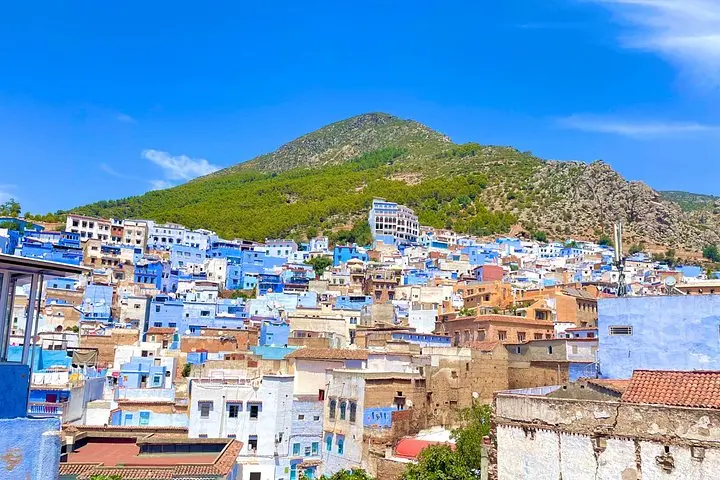
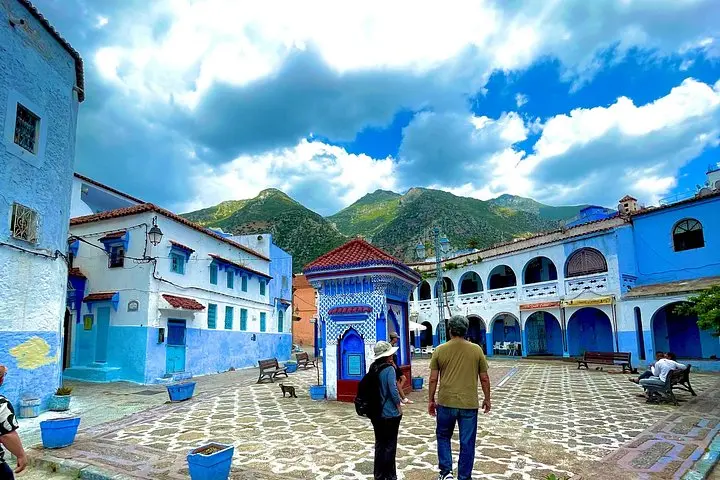
Chefchaouen’s medina reflects its Andalusian and Moorish roots—whitewashed buildings painted in layered blues, arched doorways, and a compact kasbah at the center. Founded in the 15th century by Moorish exiles, the town grew as a refuge and trade stop; the streets still follow patterns set centuries ago. The surrounding geology is folded limestone and schist, ridged by streams that shaped narrow valleys and the terraces you cross on the drive.
Expect four hours on foot with a local guide, pausing for photo stops, markets, and a flexible lunch. The walking is easy but surfaces are uneven: cobbles, staircases, and narrow ramps. Guides will explain local craft traditions—wool weaving, leatherwork—and point out less-photographed corners like hidden courtyards and the kasbah gardens.
Practical notes: start early for best light and lighter traffic, carry water and cash (Moroccan dirham) for small purchases, and wear closed shoes for cobbles. The private, air-conditioned transfer and a bilingual guide make this accessible to most travelers; be mindful that medina lanes can narrow and are busy at midday. Respect local dress and photography etiquette, and you’ll come away with crisp photos and a clear introduction to the Rif’s blue city.
The drive typically takes about two hours each way, depending on traffic and road conditions, with a short stop at a lake viewpoint.
The tour notes wheelchair accessibility for transport, but medina lanes are narrow and cobbled—wheelchair access through the medina is limited and may be difficult in places.
Lunch is optional; the itinerary can include a break at a local restaurant if requested—bring cash for smaller establishments.
Yes, the trip is private and can be tailored within the day’s timeframe to focus on photography, shopping, or cultural highlights.
Rafiq'sTrips operates guided outdoor trips and adventures with an emphasis on safety, stewardship, and memorable experiences.
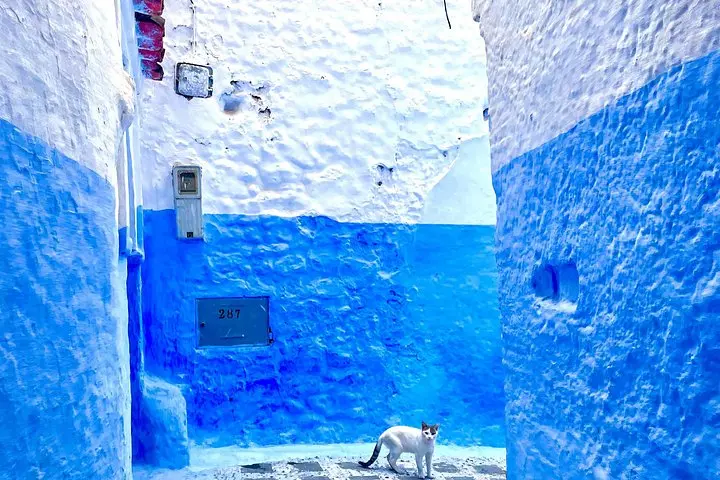
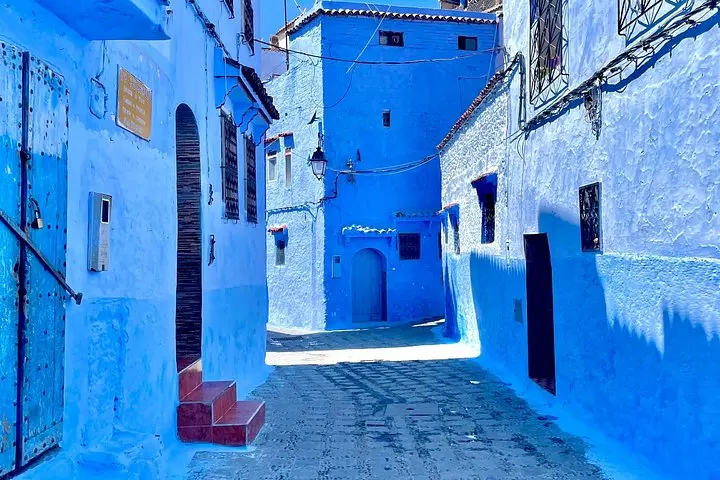
The van drops you at the edge of town and the blue walls draw you forward like a well-told secret. Morning light slides down narrow alleys; laundry and paint compete for the same cobalt palette. This private full-day trip leaves Tangier and climbs the Rif Mountains for roughly two hours, with a 15-minute stop at a panoramic terrace above Lake Nakhla before reaching Chefchaouen.
The van drops you at the edge of town and the blue walls draw you forward like a well-told secret. Morning light slides down narrow alleys; laundry and paint compete for the same cobalt palette. This private full-day trip leaves Tangier and climbs the Rif Mountains for roughly two hours, with a 15-minute stop at a panoramic terrace above Lake Nakhla before reaching Chefchaouen.
Chefchaouen’s medina reflects its Andalusian and Moorish roots—whitewashed buildings painted in layered blues, arched doorways, and a compact kasbah at the center. Founded in the 15th century by Moorish exiles, the town grew as a refuge and trade stop; the streets still follow patterns set centuries ago. The surrounding geology is folded limestone and schist, ridged by streams that shaped narrow valleys and the terraces you cross on the drive.
Expect four hours on foot with a local guide, pausing for photo stops, markets, and a flexible lunch. The walking is easy but surfaces are uneven: cobbles, staircases, and narrow ramps. Guides will explain local craft traditions—wool weaving, leatherwork—and point out less-photographed corners like hidden courtyards and the kasbah gardens.
Practical notes: start early for best light and lighter traffic, carry water and cash (Moroccan dirham) for small purchases, and wear closed shoes for cobbles. The private, air-conditioned transfer and a bilingual guide make this accessible to most travelers; be mindful that medina lanes can narrow and are busy at midday. Respect local dress and photography etiquette, and you’ll come away with crisp photos and a clear introduction to the Rif’s blue city.