THE ADVENTURE COLLECTIVE® · Independent discovery and booking for outdoor travel
Spend a full day exploring Ubud’s highlights: from macaque‑filled Monkey Forest and UNESCO‑linked Subak rice terraces to holy springs and artisan villages. This private tour pairs cultural context with easy walking and short jungle trails.
Spend a full day exploring Ubud’s highlights: from macaque‑filled Monkey Forest and UNESCO‑linked Subak rice terraces to holy springs and artisan villages. This private tour pairs cultural context with easy walking and short jungle trails.
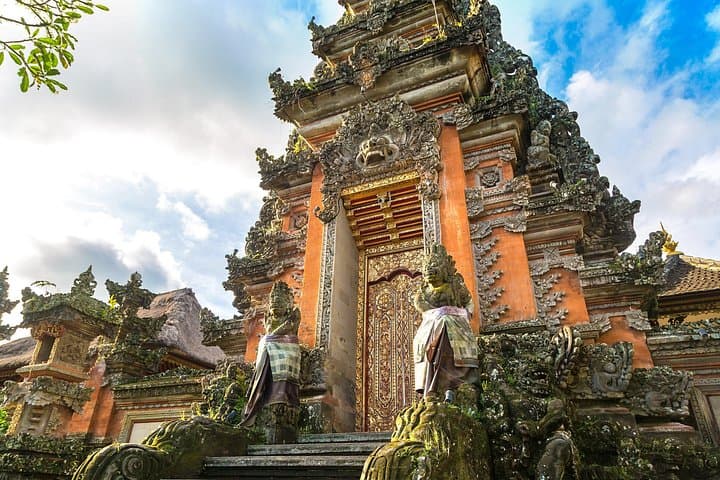
You step out of an air‑conditioned vehicle into a humid Bali morning; the scent of wet earth and frangipani meets you as narrow streets open toward rice paddies and temple gates. The day moves with a steady rhythm—an easy walking circuit through Ubud’s key cultural and natural sites, punctuated by temple courtyards, a jungle canyon and a 15‑meter waterfall.
Verified experiences and guided adventures in the surrounding area.
Operated by taxiGo Limo Airport Service · Ubud, Bali
You step out of an air‑conditioned vehicle into a humid Bali morning; the scent of wet earth and frangipani meets you as narrow streets open toward rice paddies and temple gates. The day moves with a steady rhythm—an easy walking circuit through Ubud’s key cultural and natural sites, punctuated by temple courtyards, a jungle canyon and a 15‑meter waterfall.
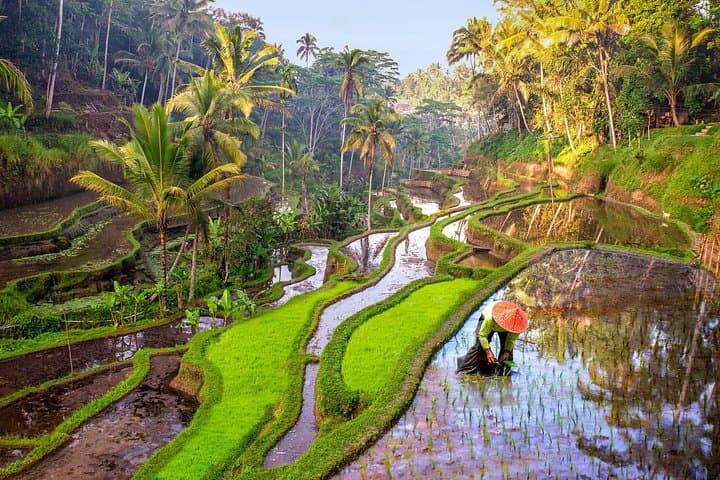
Ubud sits on the island’s volcanic central ridge; its terraces are built on fertile, volcanic soils fed by the Subak system—an irrigation network with UNESCO recognition that has shaped the landscape and local rituals for centuries. The Monkey Forest preserves a population of Bali long‑tailed macaques whose behaviors echo the island’s spiritual ties to nature. Nearby springs used for purification date back to the 10th century, and Celuk Village reveals Bali’s longstanding metalwork traditions.
Expect a mix of paved streets, stepped temple entries and short jungle trails. Stops typically include the Sacred Monkey Forest, scenic rice terraces (around 600 m elevation), a waterside lunch with optional adrenaline swing, holy spring baths, a waterfall and cultural sites such as the market and palace. Guides weave history and practical tips—where to remove shoes, how to behave near monkeys, and bargaining etiquette at markets.
Practical: plan for an eight‑hour day with comfortable closed‑toe shoes, sun protection and a refillable bottle. Start early to avoid midday heat, carry modest temple clothing for entrances, and budget small rupiah notes for local purchases. The tour is private and paced for relaxed exploration—ideal for travelers who want cultural depth without strenuous trekking.
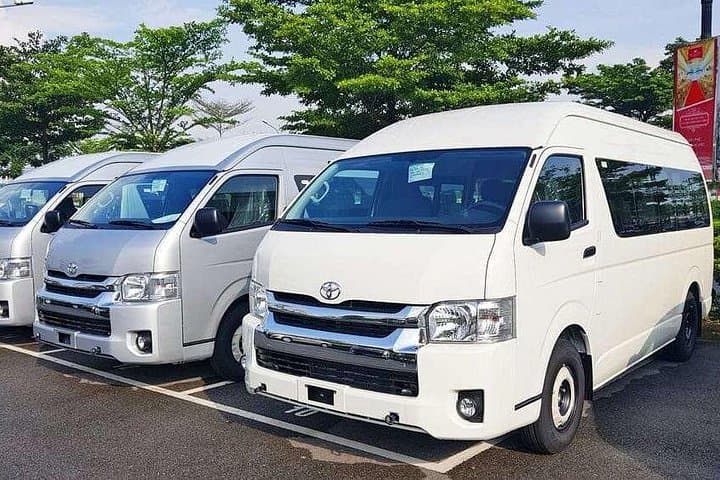
Yes—private, air‑conditioned pickup and drop‑off in Ubud city center or from your hotel is included.
The itinerary lists admission as included for several stops (Monkey Forest, rice terraces, holy springs and waterfall); confirm any optional activities like the swing or additional purchases with your guide.
The tour is family‑friendly and infant seats are available—expect short walks but supervise children around monkeys and water features.
Expect easy, guided walking at each attraction—mostly paved paths and steps; nothing technical, but comfortable shoes are recommended.
taxiGo Limo Airport Service operates guided outdoor trips and adventures with an emphasis on safety, stewardship, and memorable experiences.
You step out of an air‑conditioned vehicle into a humid Bali morning; the scent of wet earth and frangipani meets you as narrow streets open toward rice paddies and temple gates. The day moves with a steady rhythm—an easy walking circuit through Ubud’s key cultural and natural sites, punctuated by temple courtyards, a jungle canyon and a 15‑meter waterfall.
You step out of an air‑conditioned vehicle into a humid Bali morning; the scent of wet earth and frangipani meets you as narrow streets open toward rice paddies and temple gates. The day moves with a steady rhythm—an easy walking circuit through Ubud’s key cultural and natural sites, punctuated by temple courtyards, a jungle canyon and a 15‑meter waterfall.
Ubud sits on the island’s volcanic central ridge; its terraces are built on fertile, volcanic soils fed by the Subak system—an irrigation network with UNESCO recognition that has shaped the landscape and local rituals for centuries. The Monkey Forest preserves a population of Bali long‑tailed macaques whose behaviors echo the island’s spiritual ties to nature. Nearby springs used for purification date back to the 10th century, and Celuk Village reveals Bali’s longstanding metalwork traditions.
Expect a mix of paved streets, stepped temple entries and short jungle trails. Stops typically include the Sacred Monkey Forest, scenic rice terraces (around 600 m elevation), a waterside lunch with optional adrenaline swing, holy spring baths, a waterfall and cultural sites such as the market and palace. Guides weave history and practical tips—where to remove shoes, how to behave near monkeys, and bargaining etiquette at markets.
Practical: plan for an eight‑hour day with comfortable closed‑toe shoes, sun protection and a refillable bottle. Start early to avoid midday heat, carry modest temple clothing for entrances, and budget small rupiah notes for local purchases. The tour is private and paced for relaxed exploration—ideal for travelers who want cultural depth without strenuous trekking.
