THE ADVENTURE COLLECTIVE® · Independent discovery and booking for outdoor travel

Head south of Puerto Madryn for a full-day visit to Punta Tombo, one of the largest Magellanic penguin colonies on Earth. This practical guide explains what you’ll see, how to prepare, and the etiquette needed to protect the birds.
Head south of Puerto Madryn for a full-day visit to Punta Tombo, one of the largest Magellanic penguin colonies on Earth. This practical guide explains what you’ll see, how to prepare, and the etiquette needed to protect the birds.
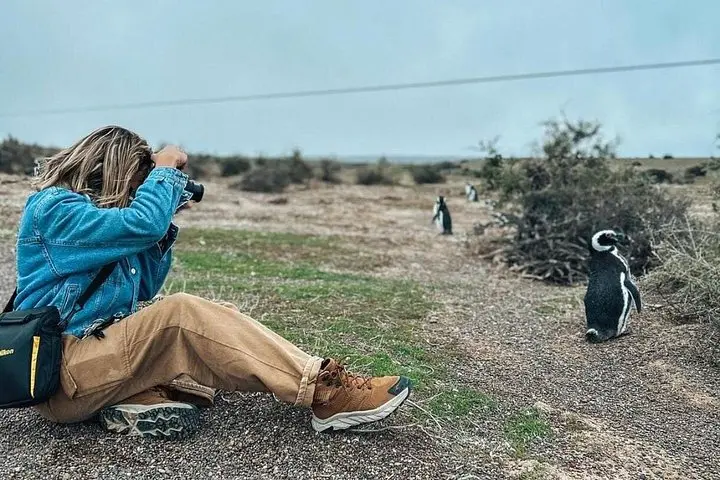
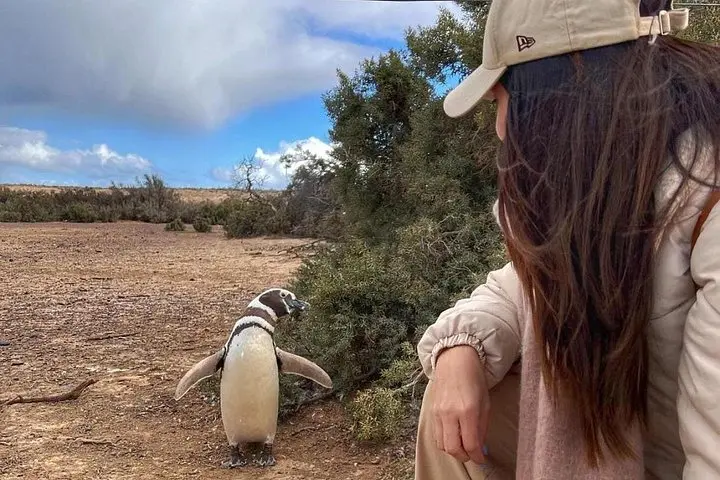
A coastal highway stretches south from Puerto Madryn and the Atlantic wind arrives long before the bus does. On this full-day outing to Punta Tombo you step from paved road onto low scrub and a flat, wind-scored plain where thousands of Magellanic penguins inhabit burrows and shorelines. The colony moves with purposeful chaos — adults arrive from the sea, chicks bob like tufts of grass, and the ocean itself seems to push the birds toward the sand.
Verified experiences and guided adventures in the surrounding area.
Operated by ParaViajantes Tours · Punta Tombo, Chubut
A coastal highway stretches south from Puerto Madryn and the Atlantic wind arrives long before the bus does. On this full-day outing to Punta Tombo you step from paved road onto low scrub and a flat, wind-scored plain where thousands of Magellanic penguins inhabit burrows and shorelines. The colony moves with purposeful chaos — adults arrive from the sea, chicks bob like tufts of grass, and the ocean itself seems to push the birds toward the sand.
The reserve sits on a rocky, fossil-rich peninsula carved by ancient seas; a roadside replica of a massive dinosaur nods to the region’s paleontological past. The surrounding Chubut lowlands were later shaped by Welsh settlers and gaucho ranching, and nearby towns still trade in tea houses and Patagonian lamb.
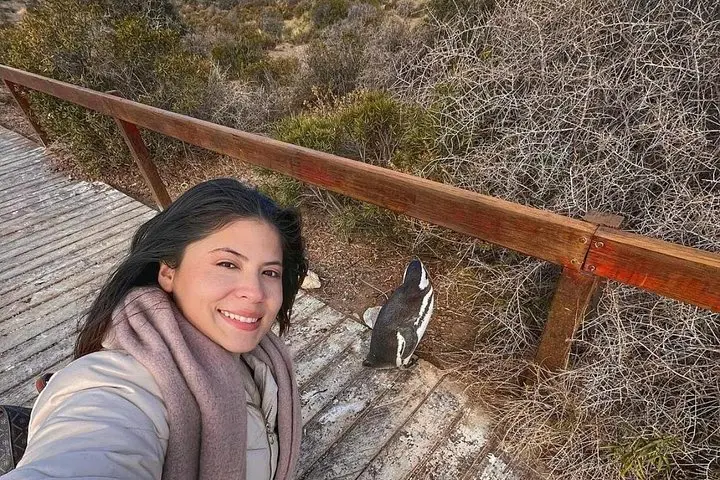
Visitors follow designated paths that thread through nesting areas, offering close but respectful views of penguin behavior: courtship displays, synchronized comings and goings, and skittish juveniles. Interpretation panels at the center outline migration timings and the colony’s role in local ecology.
Practical guidance: plan for an 8-hour day with about 2–3 hours of on-foot viewing on uneven, mostly flat trails; bring sun protection, windproof layers and water. Entrance fees support the protected area, and guides enforce strict distance rules—no touching or feeding. Expect dusty walks, strong coastal wind, and powerful photographic moments; lunch is not included, so budget time for a roadside meal or bring a packed lunch. The tour is low-impact but remember to keep to paths and leave no trace so the colony remains thriving for future visitors.
Expect about a 2–3 hour drive each way depending on stops; the full excursion is typically around 8 hours including on-site time.
Entrance is not included in many packages—bring cash to pay the park fee upon arrival unless specified otherwise by your operator.
No—rules prohibit touching or feeding wildlife; stay on marked paths and maintain the distance required by guides to avoid disturbing nests.
Breeding season (spring and summer in the Southern Hemisphere, roughly September to March) offers the most activity with chicks and courting behavior.
ParaViajantes Tours operates guided outdoor trips and adventures with an emphasis on safety, stewardship, and memorable experiences.

A coastal highway stretches south from Puerto Madryn and the Atlantic wind arrives long before the bus does. On this full-day outing to Punta Tombo you step from paved road onto low scrub and a flat, wind-scored plain where thousands of Magellanic penguins inhabit burrows and shorelines. The colony moves with purposeful chaos — adults arrive from the sea, chicks bob like tufts of grass, and the ocean itself seems to push the birds toward the sand.
A coastal highway stretches south from Puerto Madryn and the Atlantic wind arrives long before the bus does. On this full-day outing to Punta Tombo you step from paved road onto low scrub and a flat, wind-scored plain where thousands of Magellanic penguins inhabit burrows and shorelines. The colony moves with purposeful chaos — adults arrive from the sea, chicks bob like tufts of grass, and the ocean itself seems to push the birds toward the sand.
The reserve sits on a rocky, fossil-rich peninsula carved by ancient seas; a roadside replica of a massive dinosaur nods to the region’s paleontological past. The surrounding Chubut lowlands were later shaped by Welsh settlers and gaucho ranching, and nearby towns still trade in tea houses and Patagonian lamb.
Visitors follow designated paths that thread through nesting areas, offering close but respectful views of penguin behavior: courtship displays, synchronized comings and goings, and skittish juveniles. Interpretation panels at the center outline migration timings and the colony’s role in local ecology.
Practical guidance: plan for an 8-hour day with about 2–3 hours of on-foot viewing on uneven, mostly flat trails; bring sun protection, windproof layers and water. Entrance fees support the protected area, and guides enforce strict distance rules—no touching or feeding. Expect dusty walks, strong coastal wind, and powerful photographic moments; lunch is not included, so budget time for a roadside meal or bring a packed lunch. The tour is low-impact but remember to keep to paths and leave no trace so the colony remains thriving for future visitors.