THE ADVENTURE COLLECTIVE® · Independent discovery and booking for outdoor travel

Spend a private day exploring Qadisha Valley, the Cedars of God and Gibran’s hometown with hotel pickup. This full-day tour mixes scenic drives, short walks among ancient cedars and a visit to the Monastery of Saint Anthony in Kozhaya.
Spend a private day exploring Qadisha Valley, the Cedars of God and Gibran’s hometown with hotel pickup. This full-day tour mixes scenic drives, short walks among ancient cedars and a visit to the Monastery of Saint Anthony in Kozhaya.
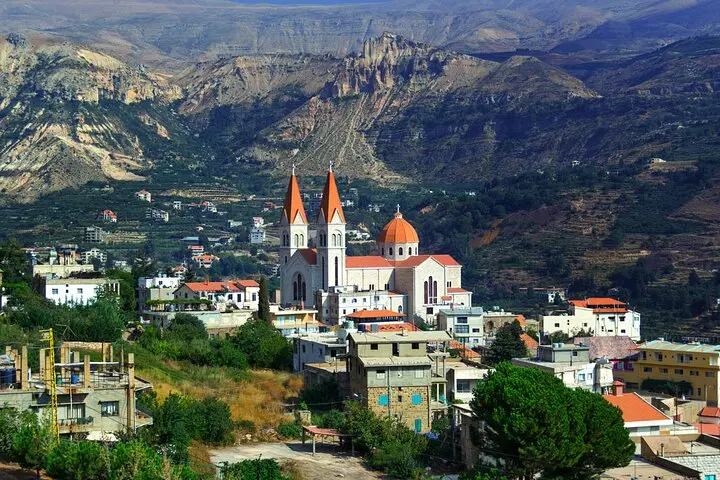
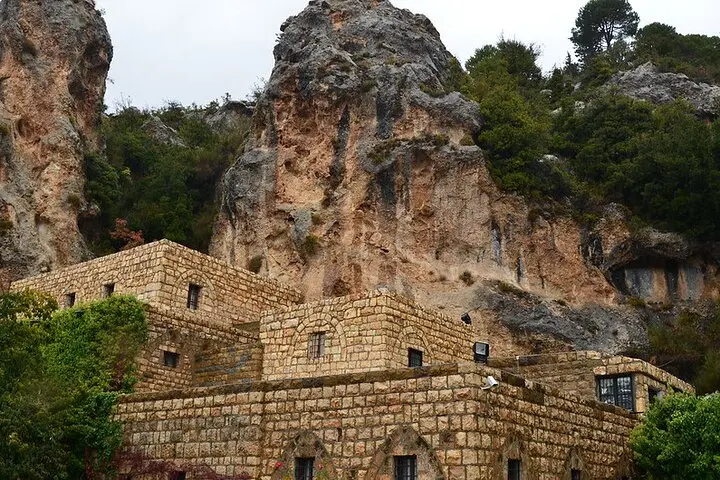
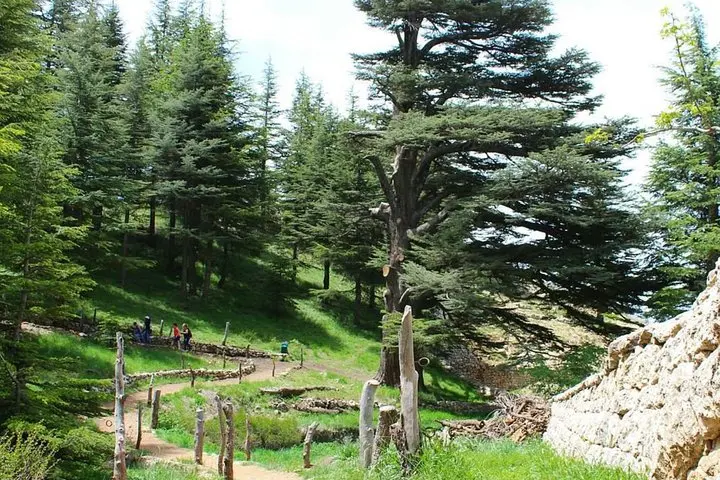
You round a switchback and the road opens to stone terraces, oak-scrubbed hills and a pocket of ancient cedars that seem to push the sky aside. The air is cooler here; the cedars’ resin smells faintly of pine and time. A private driver and guide set the pace, moving from the Gibran Museum in Bcharre to walking paths through the Cedars of God and the steep approaches to the Monastery of Saint Anthony in Kozhaya.
Verified experiences and guided adventures in the surrounding area.
Operated by Walking Beirut · Bcharre, North Governorate
You round a switchback and the road opens to stone terraces, oak-scrubbed hills and a pocket of ancient cedars that seem to push the sky aside. The air is cooler here; the cedars’ resin smells faintly of pine and time. A private driver and guide set the pace, moving from the Gibran Museum in Bcharre to walking paths through the Cedars of God and the steep approaches to the Monastery of Saint Anthony in Kozhaya.
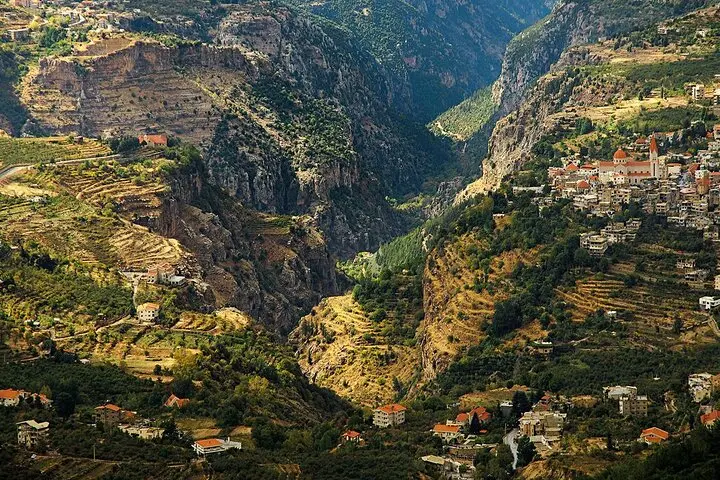
Qadisha Valley is a UNESCO World Heritage site whose cliffs and hollows sheltered monastic communities for millennia. Geologically it is carved from limestone and schist, with narrow gorges and terraced slopes that channel winter runoff into springs and orchards. Culturally the region is layered: Phoenician and Roman use of cedar timber gave way to Christian eremitic life, then to 19th–20th century cultural revival centered on Khalil Gibran, whose museum preserves original manuscripts and paintings.
Expect easy-paced walking (the cedar grove includes short boardwalks and uneven dirt), a 9-hour day by private transport, and a climb to the Kozhaya monastery at roughly 950 meters elevation. Bring sturdy shoes, water, and a light layer; mountain weather can shift midday. Photography rewards early or late light when raptors circle the valley thermals and the stone villages cast long shadows.
Practical tips: confirm hotel pickup time in Beirut, carry local cash for small museum fees or cafés, and follow marked trails to respect fragile re-growth zones. The experience balances scenic drives with short, memorable walks—ideal for anyone who wants nature, history and culture in a single day.
The operator provides hotel pickup and drop-off—confirm your exact pickup location in Beirut when booking.
Walks are short and suitable for most people; some uneven ground and steps exist around the cedars and monastery but no technical climbing is required.
Admission is not always included—bring local cash or check booking details for any included entry fees.
Spring and fall offer mild temperatures and clear views; summer is warmer but still suitable, while winter can bring snow to higher elevations and require warmer clothing.
Walking Beirut operates guided outdoor trips and adventures with an emphasis on safety, stewardship, and memorable experiences.
You round a switchback and the road opens to stone terraces, oak-scrubbed hills and a pocket of ancient cedars that seem to push the sky aside. The air is cooler here; the cedars’ resin smells faintly of pine and time. A private driver and guide set the pace, moving from the Gibran Museum in Bcharre to walking paths through the Cedars of God and the steep approaches to the Monastery of Saint Anthony in Kozhaya.
You round a switchback and the road opens to stone terraces, oak-scrubbed hills and a pocket of ancient cedars that seem to push the sky aside. The air is cooler here; the cedars’ resin smells faintly of pine and time. A private driver and guide set the pace, moving from the Gibran Museum in Bcharre to walking paths through the Cedars of God and the steep approaches to the Monastery of Saint Anthony in Kozhaya.
Qadisha Valley is a UNESCO World Heritage site whose cliffs and hollows sheltered monastic communities for millennia. Geologically it is carved from limestone and schist, with narrow gorges and terraced slopes that channel winter runoff into springs and orchards. Culturally the region is layered: Phoenician and Roman use of cedar timber gave way to Christian eremitic life, then to 19th–20th century cultural revival centered on Khalil Gibran, whose museum preserves original manuscripts and paintings.
Expect easy-paced walking (the cedar grove includes short boardwalks and uneven dirt), a 9-hour day by private transport, and a climb to the Kozhaya monastery at roughly 950 meters elevation. Bring sturdy shoes, water, and a light layer; mountain weather can shift midday. Photography rewards early or late light when raptors circle the valley thermals and the stone villages cast long shadows.
Practical tips: confirm hotel pickup time in Beirut, carry local cash for small museum fees or cafés, and follow marked trails to respect fragile re-growth zones. The experience balances scenic drives with short, memorable walks—ideal for anyone who wants nature, history and culture in a single day.