THE ADVENTURE COLLECTIVE® · Independent discovery and booking for outdoor travel

Drive from Al Khor’s historic harbor through mangroves, a UNESCO fort, and wind-sculpted desert on a 6–8 hour exploration of northern and western Qatar. Expect easy walks, dramatic limestone formations, and concentrated cultural history.
Drive from Al Khor’s historic harbor through mangroves, a UNESCO fort, and wind-sculpted desert on a 6–8 hour exploration of northern and western Qatar. Expect easy walks, dramatic limestone formations, and concentrated cultural history.
You step off the air-conditioned van onto a salt-bright quay as wooden dhows tilt in Al Khor’s shallow harbor, gulls testing the wind. The coast here still smells of bay and fish; inland the road unfurls into low dunes and limestone shoulders that the wind has carved into fans and pillars. By midday you’re threading mangrove channels at Al Thakira, roots like knuckled hands holding the shoreline, and later standing on a sandy rise where Bahrain sits faint on the horizon.
Verified experiences and guided adventures in the surrounding area.
Operated by Golden Adventures Qatar · Doha, Doha
You step off the air-conditioned van onto a salt-bright quay as wooden dhows tilt in Al Khor’s shallow harbor, gulls testing the wind. The coast here still smells of bay and fish; inland the road unfurls into low dunes and limestone shoulders that the wind has carved into fans and pillars. By midday you’re threading mangrove channels at Al Thakira, roots like knuckled hands holding the shoreline, and later standing on a sandy rise where Bahrain sits faint on the horizon.
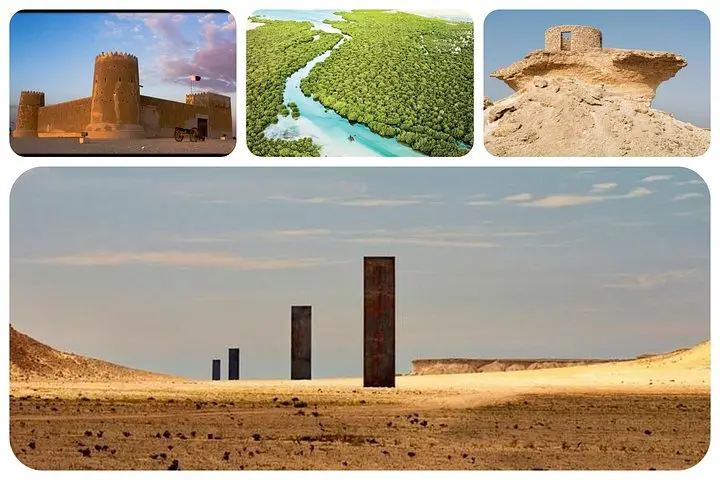
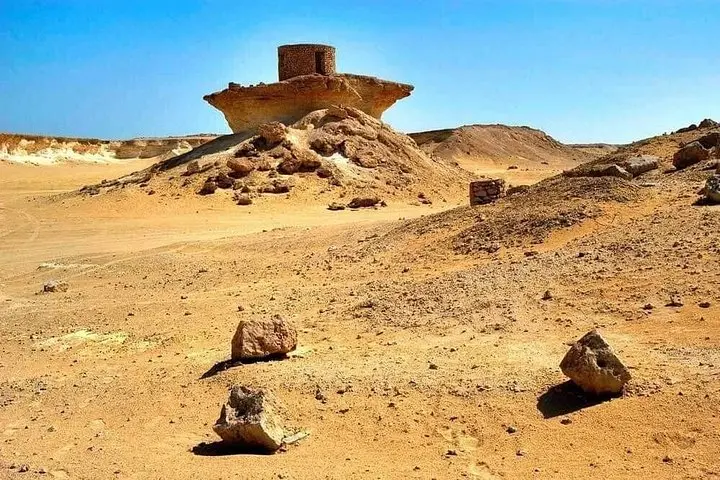
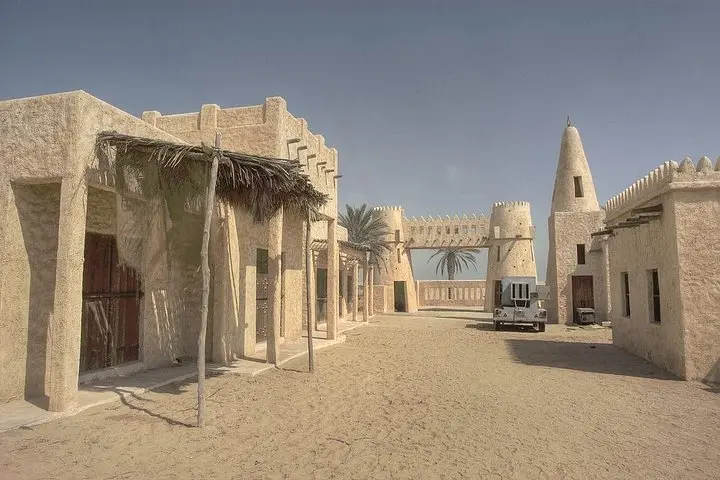
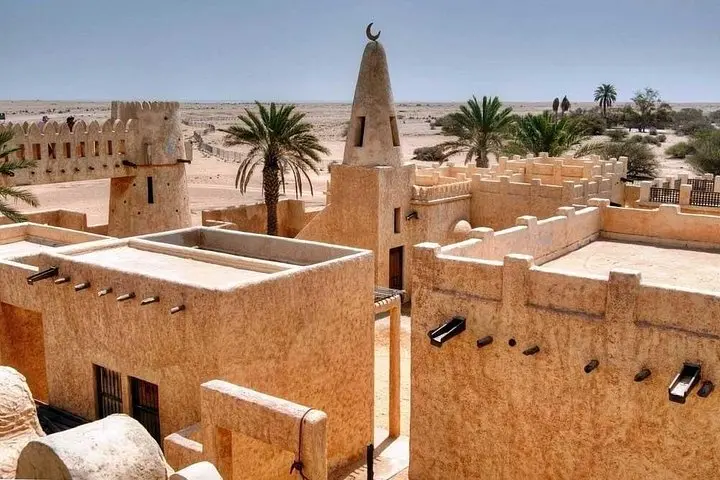
This route stitches together Qatar’s maritime past and its desert geology. Al Khor and the surrounding towns were once centers of pearling and dhow construction; Al Zubarah Fort marks a major archaeological port and is a UNESCO World Heritage Site preserving 18th–19th century trade patterns. Westward, Zekreet’s forts and the umbrella-shaped rock reveal wind-sculpted limestone and the island-like forms of the Zekreet Peninsula. Modern interventions—Richard Serra’s monumental plates in the Brouq reserve—contrast with the older pearling village remains and camel tracks that are still part of local life.
Practical guidance: plan for a 6–8 hour day with multiple short stops and some short walks over uneven, sandy ground. Sun and heat are the primary hazards—travel early or late in the day when possible, bring at least 1–2 liters of water, a hat, and sun protection. Modest clothing is recommended when visiting heritage sites. Respect wildlife in mangroves and any protected zones; follow your guide’s instructions at archaeological sites. If photography is a priority, bring a zoom lens for wildlife and sea vistas, and a wide-angle for Serra’s sculptures and sweeping desert panoramas.
The tour lasts about 6–8 hours with multiple 20–60 minute stops for short walks and viewpoints; most walking is brief and not strenuous.
Yes—transport is by air-conditioned vehicle and walking is minimal, but consider sun and heat exposure for young children and older adults.
Check your booking details—some tours include entrance while others list it as not applicable; your provider will clarify before departure.
Yes—expect shorebirds and mangrove-dependent species, and occasionally desert fauna; sightings vary by season and time of day.
Golden Adventures Qatar operates guided outdoor trips and adventures with an emphasis on safety, stewardship, and memorable experiences.
You step off the air-conditioned van onto a salt-bright quay as wooden dhows tilt in Al Khor’s shallow harbor, gulls testing the wind. The coast here still smells of bay and fish; inland the road unfurls into low dunes and limestone shoulders that the wind has carved into fans and pillars. By midday you’re threading mangrove channels at Al Thakira, roots like knuckled hands holding the shoreline, and later standing on a sandy rise where Bahrain sits faint on the horizon.
You step off the air-conditioned van onto a salt-bright quay as wooden dhows tilt in Al Khor’s shallow harbor, gulls testing the wind. The coast here still smells of bay and fish; inland the road unfurls into low dunes and limestone shoulders that the wind has carved into fans and pillars. By midday you’re threading mangrove channels at Al Thakira, roots like knuckled hands holding the shoreline, and later standing on a sandy rise where Bahrain sits faint on the horizon.
This route stitches together Qatar’s maritime past and its desert geology. Al Khor and the surrounding towns were once centers of pearling and dhow construction; Al Zubarah Fort marks a major archaeological port and is a UNESCO World Heritage Site preserving 18th–19th century trade patterns. Westward, Zekreet’s forts and the umbrella-shaped rock reveal wind-sculpted limestone and the island-like forms of the Zekreet Peninsula. Modern interventions—Richard Serra’s monumental plates in the Brouq reserve—contrast with the older pearling village remains and camel tracks that are still part of local life.
Practical guidance: plan for a 6–8 hour day with multiple short stops and some short walks over uneven, sandy ground. Sun and heat are the primary hazards—travel early or late in the day when possible, bring at least 1–2 liters of water, a hat, and sun protection. Modest clothing is recommended when visiting heritage sites. Respect wildlife in mangroves and any protected zones; follow your guide’s instructions at archaeological sites. If photography is a priority, bring a zoom lens for wildlife and sea vistas, and a wide-angle for Serra’s sculptures and sweeping desert panoramas.